ELON, N.C. — With 83 days remaining until the 2026 midterm election, the first major statewide survey of the season shows former Gov. Roy Cooper with a substantial early advantage in the race for the U.S. Senate.
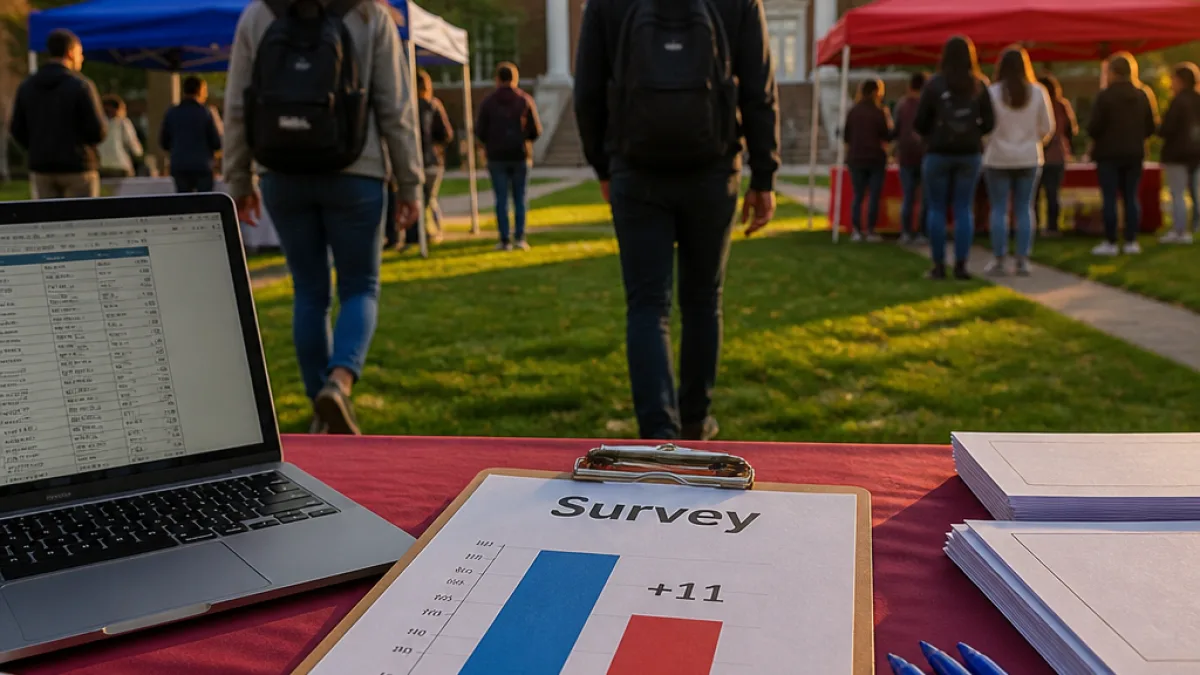
The Elon University poll of 800 adults finds Cooper leading Republican Michael Whatley by 11 percentage points. The survey also highlights a marked gap in familiarity between the two candidates: 84% of registered voters said they had heard “a great deal” or “some” about Cooper, compared with 53% for Whatley.
What the numbers say
Poll director Jason Husser described the spread as meaningful but warned that North Carolina contests have a history of tightening in the closing weeks of a campaign. Voter attitudes, campaign spending and increased name recognition can shift the dynamics between now and Election Day.
“We’ve rarely seen a total flipping of where a candidate is ten points behind and all of a sudden surges far to the front,” Husser said. “But often what we see in North Carolina is that voters tighten at the end.”
The Elon poll represents the university’s first public look at the Senate matchup for this cycle and arrives as both parties and outside groups prepare to pour resources into the state. Political organizations on both sides have already signaled they will invest heavily in what is expected to be one of the nation’s highest-profile Senate races.
Why name recognition matters
The disparity in visibility is significant. Cooper, a two-term governor with recent statewide campaigns, benefits from high name recognition and established voter contacts. Whatley, a former chairman of the Republican National Committee and of the North Carolina Republican Party, is well-known inside political circles but, according to the poll, remains less familiar to the broader electorate.
That gap in awareness may help explain Cooper’s early lead, but it also represents a potential opening for Whatley as campaigns intensify and voters are exposed to earned and paid media from both sides.
National stakes and campaign spending
Republican and Democratic organizations have signaled they will treat this contest as pivotal to control of the U.S. Senate. The coming months are likely to bring a surge of television and social media advertising, as well as targeted voter outreach.
Political strategists note that early leads can shrink as turnout models firm up and undecided voters make choices. The Elon poll suggests Cooper enters the campaign with momentum, but it does not close off the possibility of a competitive finish.
- Sample size: 800 adults
- Cooper lead: 11 percentage points
- Name recognition: Cooper 84% vs. Whatley 53%
| Metric | Roy Cooper | Michael Whatley |
|---|---|---|
| Voter familiarity | 84% | 53% |
| Lead in poll | Cooper +11 (800 adults surveyed) | |
Local context and what to watch
For North Carolina voters, the poll reinforces a familiar pattern: statewide name recognition and turnout operations still play decisive roles. Cooper’s tenure as governor gives him an established base among Democrats and many independent voters who supported him in past statewide contests. Whatley’s challenge will be to convert his party infrastructure relationships into broader public familiarity and to persuade undecided or swing voters to his side.
Key developments to monitor over the next 12 weeks include:
- Ad spending and message testing by both campaigns and outside groups
- Debates or public forums that could raise or shift candidate recognition
- Polling trends in suburban and rural regions where recent statewide races have swung the outcome
The Elon University poll provides an early snapshot rather than a forecast. As Husser emphasized, North Carolina’s electorate has a track record of late movement, and campaigns now have months of advertising, events and organizing ahead to reshape voter views.
With the balance of the U.S. Senate potentially influenced by this race, the state can expect intensified attention — and heavier campaigning — as Election Day approaches.