
DC BLOX sued Metro Nashville on Aug. 11 in U.S. District Court for the Middle District of Tennessee, alleging city officials took deliberate steps to stop the company's proposed data center near the Nashville Zoo despite the company's claim that it had earned the right to proceed under existing zoning rules.
What the lawsuit says
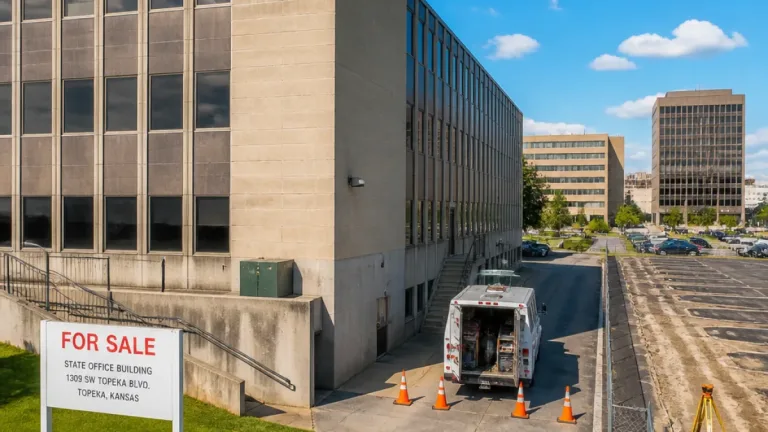
The 29-page complaint seeks to force Metro to resume processing permits for development on Grassmere Park Drive, a 23.49-acre parcel DC BLOX agreed in November 2025 to purchase for about $23 million and later closed on July 16 after work the company says included engineering and environmental preparations.
At the heart of the case is whether DC BLOX had a vested right to develop the property before the city changed rules governing data centers. The company asserts its permit applications were valid and that Metro used a variety of tactics to block the project once opposition emerged.
“The suit speaks for itself,” the company said in a brief statement.
Allegations and city response
DC BLOX alleges Metro leaders employed “every tool” and “every avenue” to stop a project that the company says complied with zoning at the time applications were filed. The complaint cites statements by Metro Council member Courtney Johnston, who sponsored the data center moratorium and said publicly she was “doing everything I can, legislatively and otherwise, to prevent this project from coming to fruition.”
The suit also recounts a June 12 phone call in which then-Metro Law Director Wally Dietz is alleged to have told a DC BLOX attorney the city “would do whatever it could to ensure that the DC BLOX Project was not developed.”
Metro’s current Law Director, Tyler Yarbro, issued a statement saying the city is reviewing the complaint and is “confident that Metro has acted lawfully in its dealings with DC Blox and in the enactment of the moratorium on data center permitting.”
Local actions preceding the filing
The lawsuit follows a series of local moves that intensified the dispute. On Aug. 4 the Metro Nashville Council authorized the city to potentially acquire the Grassmere property by eminent domain. That vote came amid widespread public debate over the proposed data center’s location next to the Nashville Zoo and the property’s previous use as office space.
| Key date | Action |
|---|---|
| November 2025 | DC BLOX agreed to buy Grassmere property (approx. $23 million) |
| June 12, 2026 | Alleged phone call between Metro Law Director and DC BLOX attorney |
| July 16, 2026 | DC BLOX closed on the Grassmere property |
| Aug. 4, 2026 | Metro Council authorized potential eminent domain for the site |
| Aug. 11, 2026 | DC BLOX filed federal lawsuit |
Local implications
The case raises questions about how Nashville balances private property and development rights with community concerns and new policy directions. If the court finds DC BLOX had vested rights, Metro could be required to process permits despite the moratorium. Conversely, if the city’s actions are upheld, Nashville’s moratorium and any subsequent land acquisition would stand.
- Permitting and precedent: The suit challenges whether a city moratorium can be applied to projects that claim prior legal entitlement under earlier rules.
- Eminent domain stakes: The council’s authorization to seek the property through eminent domain adds urgency and financial stakes to the legal fight.
- Community concerns: Opposition centered on the proximity to the Nashville Zoo and land-use impacts, which shaped the council’s move and public debate.
The city will now defend its legislative and administrative choices in federal court, and the litigation could determine how Nashville handles future proposals for data centers and other developments that prompt swift changes in local rules.
Metro has not released additional details about its legal strategy beyond its statement that it believes it acted lawfully. The suit sets the stage for a test of municipal authority and private development claims in a fast-changing section of the city.