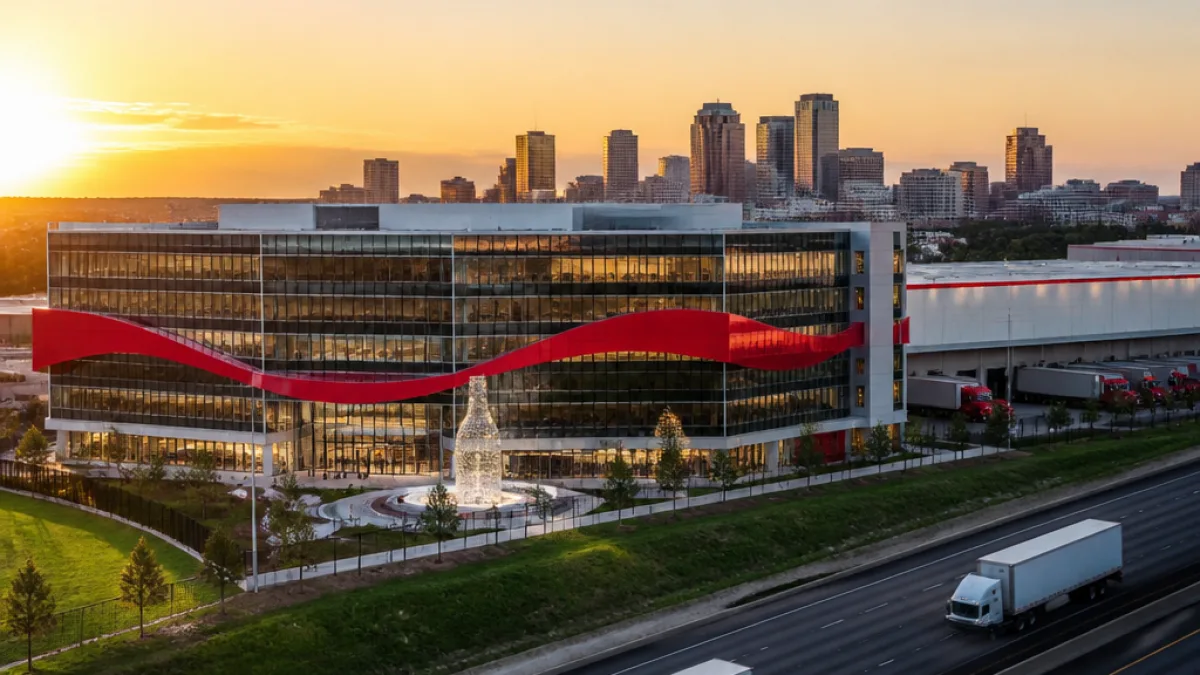
New campus aims to be a gateway to Birmingham
Coca‑Cola Bottling Co. United on Thursday officially opened a new $350 million headquarters campus on a 100‑acre site along Interstate 20/59, creating a prominent visual gateway for people arriving in Birmingham and expanding the company’s local distribution footprint.
The multi‑story headquarters, distribution warehouse and sales center sit at the Tallapoosa Street exit near 40th Street on ground that once housed the Stockham Valve property. The facility’s most visible features include the Coca‑Cola trademark “Dynamic Ribbon” across the front of the office building facing the interstate and a 60‑foot‑long Coke‑bottle‑shaped plaza designed to be seen from the sky.
“Now, when we are coming into our city, if you are flying, or you drive in, this becomes a great gateway for anyone coming to visit us,” said Coca‑Cola United CEO Mike Suco. “We think it presents Birmingham in a much better light.”
The campus brings together corporate and operational functions that had been separated by the interstate and replaces the company’s prior distribution center on the opposite side of I‑20/59. The project preserves 750 existing jobs and is expected to add up to 50 additional positions at the new site.
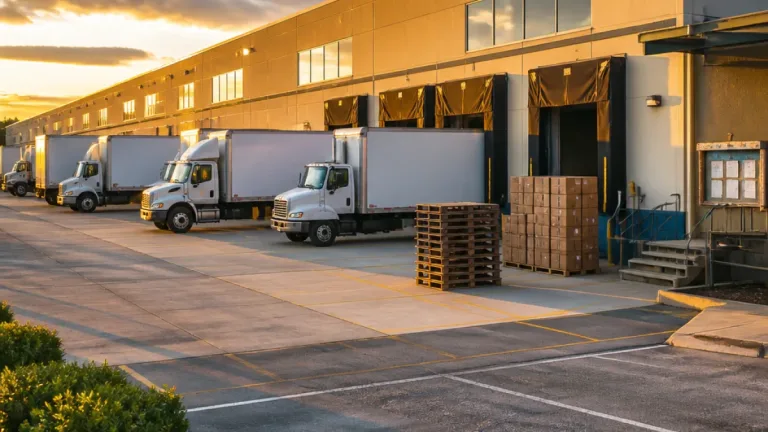
Spanning 576,000 square feet, the facility includes a 150,000‑square‑foot multi‑floor office complex and a 300,000‑square‑foot warehouse equipped with the Vertique case‑picking system, a technology Coca‑Cola United has invested in at several locations. Company representatives say the Birmingham campus will serve as a distribution hub for Jefferson County and 11 surrounding counties.
- Location: Tallapoosa Street exit, 40th Street, Birmingham
- Size: 100 acres; 576,000 total square feet
- Jobs: 750 retained; up to 50 new jobs
- Facilities: 150,000 sq ft office; 300,000 sq ft warehouse with Vertique system
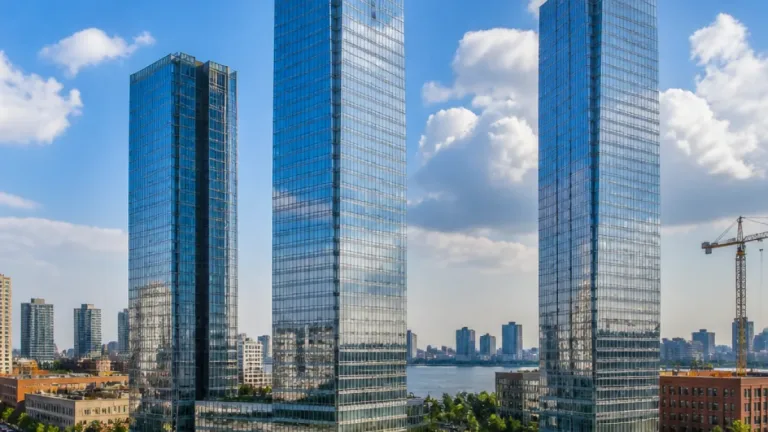
The glass‑veneer office building offers views west toward downtown Birmingham, east to a wooded area and the Kingston neighborhood, and north toward the interstate. The design emphasizes visibility and branding for motorists approaching from Atlanta as well as travelers flying into the city.
Local economic and visual impacts
City and regional economic development officials have long sought projects that both create jobs and improve the metropolitan area’s image for visitors and investors. The new Coca‑Cola campus delivers on both fronts by consolidating operations in one high‑profile location and adding modern warehousing and case‑picking technology that company leaders say will improve distribution efficiency.
While the investment keeps most of the workforce in place, the promise of up to 50 new positions will be watched by residents and local workforce programs interested in placement opportunities. The campus’ location along I‑20/59 also reinforces the corridor’s role as a hub for logistics and distribution in greater Birmingham.
| Feature | Detail |
|---|---|
| Total investment | $350 million |
| Campus size | 100 acres |
| Square footage | 576,000 sq ft total |
| Office space | 150,000 sq ft |
| Warehouse | 300,000 sq ft |
| Jobs retained | 750 |
| Potential new jobs | Up to 50 |
Company officials noted the Birmingham campus joins other Coca‑Cola United locations using advanced Vertique systems to automate case picking, a move the company began rolling out at sites including Mobile in 2021. The technology is intended to streamline distribution to meet demand across Jefferson County and neighboring counties supported by the Central Region and North Alabama Division, which are housed at the new campus.
For Birmingham residents, the project represents both a preservation of existing employment and a high‑profile sign that major companies view the city as a place for significant capital projects. The campus also reshapes the approach to the city for visitors driving or flying in, with branding elements designed to be visible from the interstate and from the air.
Officials did not release a timetable for when the additional positions will be filled. The campus’ long‑term impact on traffic, neighborhood development and regional logistics will be observed in the months and years ahead as operations fully ramp up.