New research commissioned by Sky and carried out by Public First has found that where a girl grows up has a decisive effect on how much sport she takes part in, with North Northumberland emerging as the best‑performing constituency for girls’ participation in the North East.
Smallest regional gap masks wider national inequality
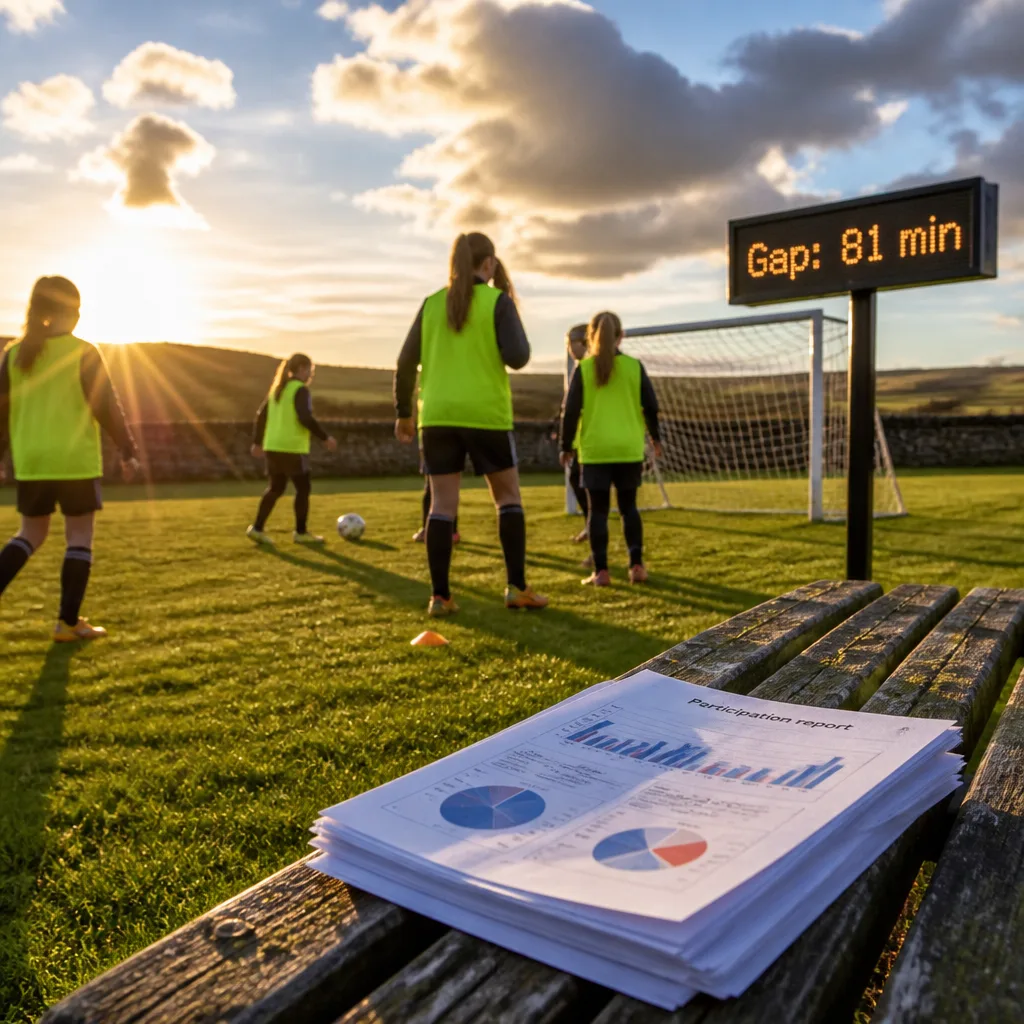
The analysis reveals stark differences in the amount of organised physical activity girls get compared with boys across the UK. In North Northumberland, girls miss out on 81 minutes of sport a week compared with boys — the smallest gap in the North East, according to the research. By contrast, the study highlights a regional average gap of 121 minutes and a UK average gap of 84 minutes.
Those figures underline the uneven landscape of opportunity: in some areas girls are nearing parity with boys, while in others substantial shortfalls remain. The report places particular emphasis on barriers to participation that vary by place and calls for targeted action in publicly funded settings to ensure equal access.
Economic and health stakes
Sky's analysis also attached an economic value to closing those gaps. It estimates that levelling up girls’ participation nationwide could deliver £570 million in annual productivity gains and save the NHS some £73 million a year.
At a regional level, the North East could unlock almost £15 million in benefits by reducing the participation gap, the report says — a figure that links physical activity directly to workforce output and public health budgets.
| Measure | Value |
|---|---|
| North Northumberland girls’ shortfall vs boys | 81 minutes/week |
| North East average shortfall | 121 minutes/week |
| UK average shortfall | 84 minutes/week |
| Estimated national productivity gains if closed | £570 million/year |
| Estimated NHS savings | £73 million/year |
| Potential North East benefits | £15 million (approx) |
Calls for targeted investment and equality of access
Sky’s Chief Sports Officer for the UK & Ireland, Jonathan Licht, underlined the moral and practical case for action:
"Every girl should have the opportunity to experience the confidence, friendships and sense of belonging that sport can bring. Yet too many girls are still missing out, and this research shows the barriers they face are not the same everywhere."
Licht added that closing the gap requires tackling inequalities in access and investment, especially in settings funded by the public sector where opportunity should be equal for every girl. The message is clear: a one‑size‑fits‑all approach will leave some constituencies behind.
The report arrives as National Fitness Day focuses attention on the importance of being active. By exposing geographical variation, the study gives policymakers and sports organisations a roadmap for where to concentrate resources — from school sport provision to community facilities — to achieve the greatest return in participation and public benefit.
- Place matters: girls’ activity levels differ widely by constituency, not just by gender.
- Financial case: closing the gap is framed not only as a fairness issue but as one with measurable economic and health returns.
- Targeted action: public investment in specific areas and settings is called for, rather than national blanket policies.
For sports bodies and local authorities, the research offers two clear implications. First, measuring participation at a granular constituency level is essential to identify where girls are being left behind. Second, interventions should be tailored to local barriers — whether facilities, coaching, timetabling or cultural attitudes — to convert investment into sustained participation.
The study’s numbers are a prompt: simple increments of opportunity in the right places could produce measurable benefits for individuals and for the public purse. What remains is turning those figures into policy, funding decisions and on‑the‑ground programmes that actually get more girls playing.