
Inquiry sets out "working hypothesis" on planning of Omagh bomb
The public inquiry into the 1998 Omagh bombing resumed in Belfast on Monday with lead counsel presenting a detailed working hypothesis about how the attack was organised and who may have been involved. The hearings, chaired by Lord Turnbull, will focus on the period immediately before and after the bombing and aim to establish whether UK authorities could have done more to prevent the atrocity.
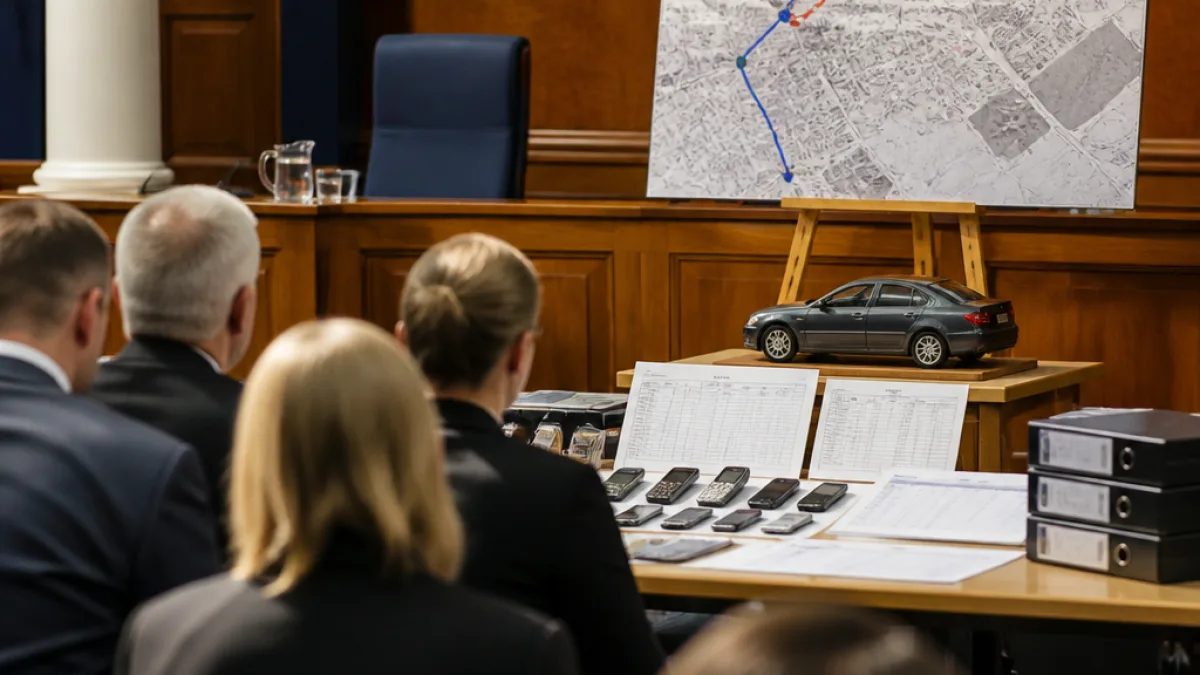
Paul Greaney KC told the inquiry that his team has linked 14 people to evidential activity around the bombing. He said the evidence indicated an organised group of men carried out preparatory tasks in the days leading up to the attack, including the theft of a vehicle to transport the bomb.
- Vehicle stolen to order — Greaney told the court that a Vauxhall Cavalier was taken from Carrickmacross in County Monaghan on 13 August 1998 and that the car had likely been targeted for that purpose.
- Test run — The inquiry heard there was a rehearsal journey on 14 August 1998, using a Volkswagen Golf, to test the route to the intended bomb location.
- Telecommunications evidence — Mobile phones and warning calls will form a central part of the evidence; some frequently referred-to handsets have been assigned colours by the inquiry team for clarity.
Greaney told the court that, despite a previous civil finding, the inquiry must consider the possibility that individuals not found liable in that action still played roles in the events under examination. The civil case in 2009 had concluded certain individuals were liable for the bombing, but Greaney emphasised the inquiry is not bound by those outcomes.
“The evidence suggests Colm Murphy sat like a spider in the centre of the web of the plan to detonate a bomb in Omagh.”
The barrister described Colm Murphy — who died in 2023 and had previously been found liable in a civil trial — as a central figure in the planning. Other names mentioned in the context of earlier legal proceedings include Michael McKevitt, Liam Campbell, Seamus Daly and Seamus McKenna. Greaney noted that McKenna had not been found liable in the civil action but said that outcome did not prevent the inquiry from assessing evidence suggesting he may have had a key role.
Evidence outlined on Monday also covered the warnings made before the explosion. The inquiry heard that two phone calls were made to a regional broadcaster and one to the Samaritans, claiming a 500lb device had been placed in Omagh and would detonate within minutes. Those warnings were reported to the police within minutes and Royal Ulster Constabulary officers were deployed to the town. The inquiry has been told that the Army did not move into Omagh town centre before the device exploded because no request had been made by the RUC for military assistance.
Scope of upcoming evidence
Over the next four weeks the inquiry plans to hear from a range of expert witnesses. Greaney said evidence would be taken from forensic scientists, DNA specialists and handwriting examiners, among others, as the legal team seeks to piece together movements, communications and material evidence linked to the attack.
| Individual | Civil finding (2009) |
|---|---|
| Michael McKevitt | Found liable |
| Liam Campbell | Found liable |
| Colm Murphy | Found liable (died 2023) |
| Seamus Daly | Found liable |
| Seamus McKenna | Not found liable (later died in 2013) |
The inquiry was established by a previous UK government to examine whether the explosion, which killed 29 people on 15 August 1998 and remains the single deadliest incident of the Troubles, could have been prevented. Last year the inquiry recorded personal statements from survivors and bereaved relatives; the current evidential phase aims to test and scrutinise the material sources and testimony that might illuminate operational decisions and responsibilities on the days surrounding the bombing.
For residents of Omagh and the wider county Tyrone area, the hearings are a reminder of the long-running efforts to secure answers about one of the town’s darkest days. The inquiry’s findings, when published, are expected to shape public understanding of the extent to which state and other actors could have acted differently in the run-up to the attack.














