Edinburgh festival spotlights technology and language with Scottish voices prominent
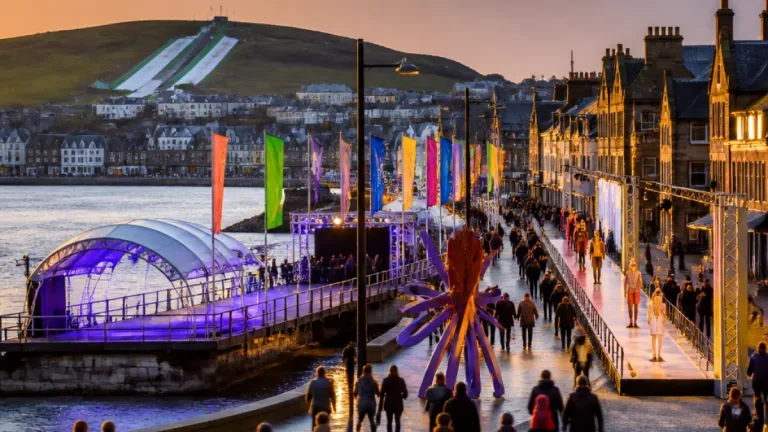
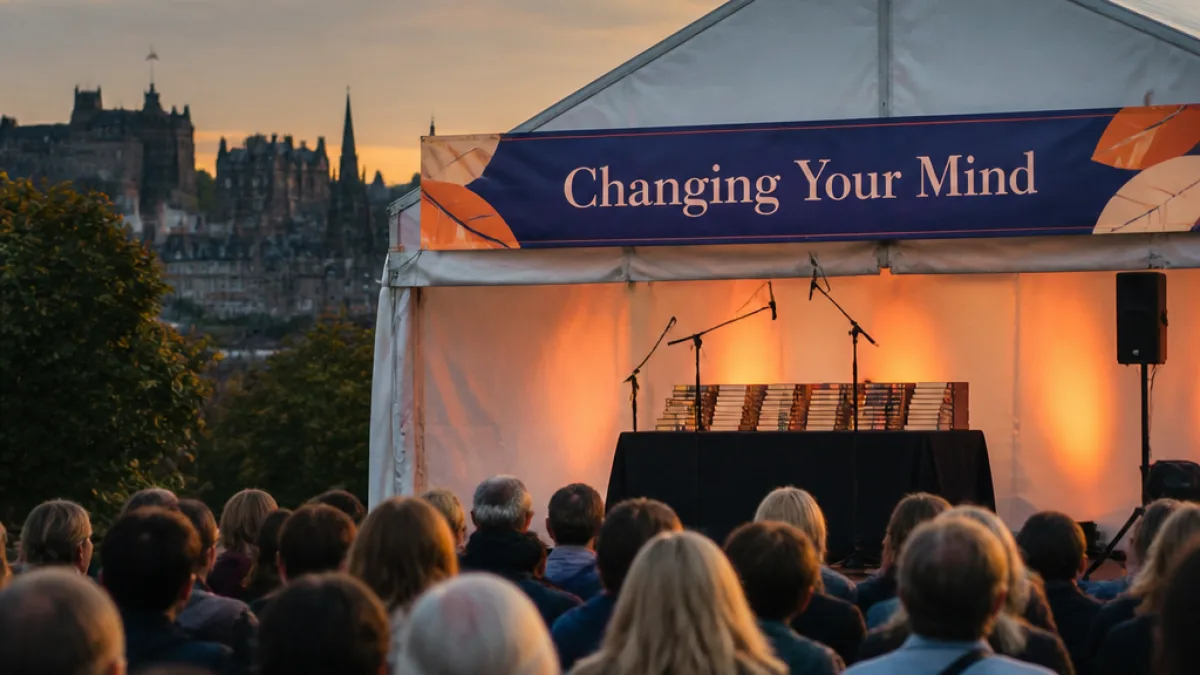
The Edinburgh International Book Festival returned this summer with a programme that set out to test received opinions and foreground pressing cultural debates. Under the festival theme "Changing Your Mind", sessions ranged across literature, politics and technology — with well‑known Scottish names and international commentators sharing the stage.
Among contributors referenced in the festival round‑up were Irvine Welsh, Frank Cottrell‑Boyce and Cory Doctorow. It was Doctorow, the Canadian‑born author and technology activist, who delivered one of the clearer and more forceful analyses on the shifting business models of internet platforms and the consequences for public discourse.
Doctorow on platforms: a precise critique
Doctorow framed his argument with an unflinching term that has gained traction in debates about platform decline. He highlighted how commercial incentives have reshaped services across search and social media, arguing that prioritising advertising revenue and shareholder returns has led to poorer user outcomes.
"It turns out that the minor licence to vulgarity was the key."
The remark referred to the title of his recent work and to the way shock, outrage and repeated interactions have been engineered into platform design. He contrasted this with a view of AI that is less apocalyptic than commonly portrayed: Doctorow suggested the technology acts as a set of plug‑ins that extend existing systems, rather than as an emergent, conscious force seeking domination.
Facts and figures highlighted
The session drew attention to market concentration in search: Doctorow cited a figure indicating a single company reached 95% market share in 2019–20 for general internet search. He used this to illustrate how even dominant firms can redesign products in ways that favour revenue over efficiency for users.
| Point | Detail |
|---|---|
| Festival theme | Changing Your Mind |
| Notable speakers mentioned | Irvine Welsh; Frank Cottrell‑Boyce; Cory Doctorow |
| Search market share cited | 95% (2019–20) |
What this means for Scottish audiences
For readers in Irvine and across Scotland, the festival offered a local lens on global questions. The presence of Scottish writers such as Irvine Welsh alongside international commentators underlines how the debate around technology, regulation and culture is not remote from national life. The sessions invited audiences to consider:
- How commercial incentives shape the information and cultural goods people encounter online;
- Whether calls to regulate technology should focus on business models and incentives rather than on speculative narratives about machine consciousness;
- The role of literature and public events in reframing public understanding of complex technological change.
Speakers at the festival did not offer simple prescriptions, but the tone of the discussions suggested a consensus that civic and policy responses should concentrate on concrete mechanisms — platform design, advertising incentives and market structure — rather than metaphysical fears about AI.
Broader context and enduring questions
As cultural institutions such as the Edinburgh festival convene writers and specialists, they also perform a public service by translating technical debates into questions of civic consequence. For local audiences in Irvine, the sessions reinforced how literary platforms and festivals can shape public conversation about technology, regulation and power — subjects that will figure in civic and political discussion long after the festival tents pack away.
The festival round‑up signalled that while literature continues to offer solace and imagination, it is also a venue for urgent argument — from the uses of language to the design of online systems — that affects how communities access information and culture.