As millions of pupils prepare to return to classrooms, international bodies and educators are urging a renewed focus on inclusive education — the practice of educating children with diverse learning needs together in mainstream schools with appropriate support. Advocates say inclusion not only guarantees rights for children with disabilities but also enriches learning for all pupils.
What inclusive education means in practice
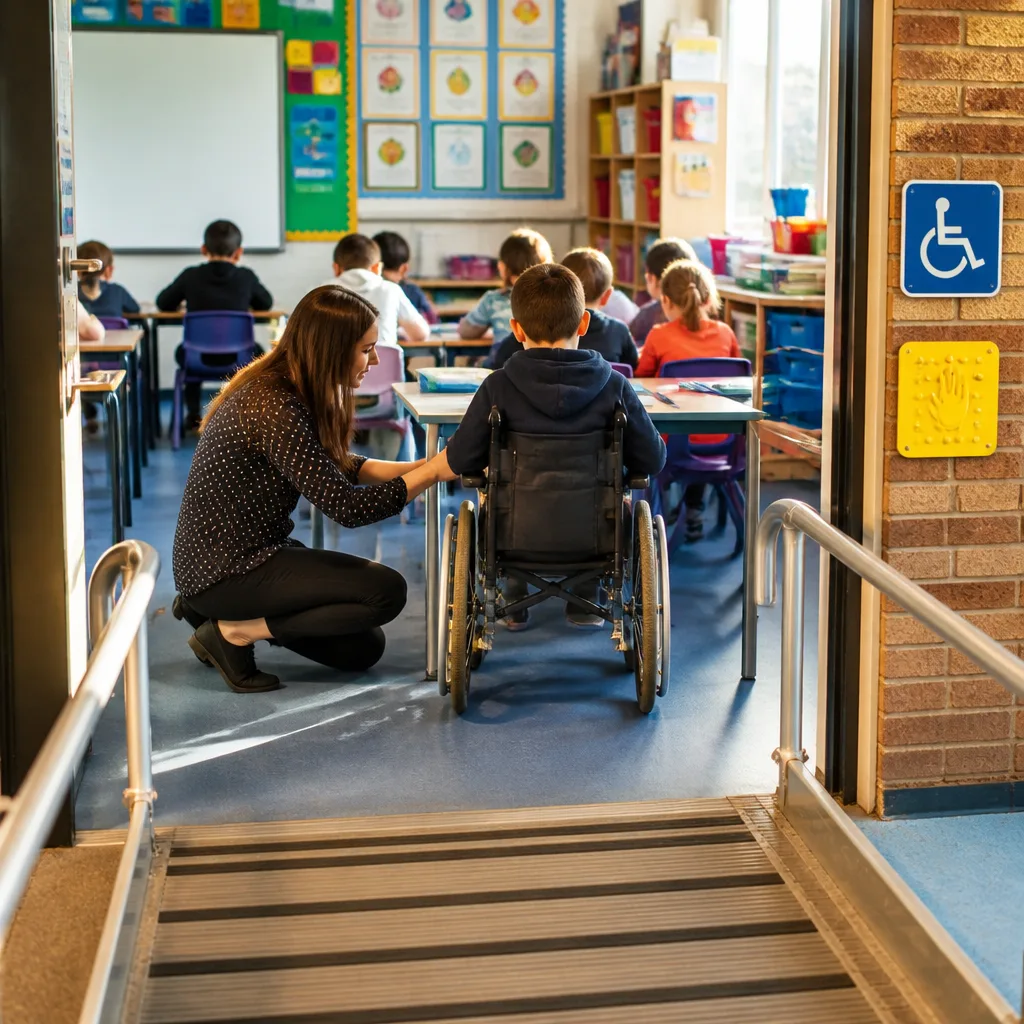
Inclusive education is defined by children learning in the same schools and classrooms while receiving any additional help they need to thrive. It recognises that pupils learn in different ways, and that education systems work best when they are designed to respond to that variety rather than sorting children out of the mainstream.
International data underline the scale of the challenge: nearly 240 million children worldwide live with disabilities, and within one large education system there are at least 5 million children with disabilities. These pupils are part of families, communities and future workforces, and exclusion from regular schooling would deny them opportunity as well as deprive wider society of talent and contribution.
Benefits for children, classrooms and communities
Evidence from global education agencies suggests inclusive settings do more than benefit only those with disabilities. When pupils share classrooms with classmates of differing backgrounds and abilities, they are exposed to a range of perspectives that can foster empathy, respect and collaboration.
Schools that welcome diverse learners can also strengthen social cohesion beyond the school gates. Inclusion is framed not only as a matter of individual rights, but as a route to creating more tolerant, productive communities.
What systems must deliver
Successful inclusion requires coordinated effort across several fronts. International experience points to the following essentials:
- Teachers trained in inclusive approaches so they can adapt classroom practice and assessment;
- Accessible learning materials and supportive environments that remove physical and curricular barriers;
- Confidence among families that their children will be welcomed and supported in mainstream settings;
- Community awareness and understanding about the benefits of inclusion; and
- Policies and funding within education systems to sustain inclusive practices.
These needs point to long-term investment rather than short-term fixes. For instance, equipping teachers with the skills to differentiate lessons for a mixed-ability class requires changes to initial training and continuous professional development. Similarly, accessible learning resources and physical adaptations to buildings demand financial planning and targeted budgets.
Implications for UK policy and practice
While the global figures refer to the international context, the principles apply directly to schools in the UK. Mainstream settings already educate many pupils with special educational needs and disabilities (SEND), but policy debates continue about where resources should be deployed and how best to balance specialist provision with mainstream inclusion.
Those arguing in favour of inclusion note that well-supported mainstream schooling can reduce segregation and give all pupils regular exposure to diversity. Critics highlight the risk that inclusion without sufficient resourcing can leave both pupils with additional needs and their classmates with less effective teaching.
The international perspective underlines a simple reality: inclusion is not an automatic outcome of placing children in the same classroom. It is the product of deliberate choices — policy design, workforce development, and investment — that enable schools to respond to the full range of pupil needs.
| Metric | Figure |
|---|---|
| Children with disabilities worldwide | ~240 million |
| Children with disabilities in one large system cited | 5 million |
For parents, teachers and school leaders, the practical question is not whether inclusion is desirable — the broad case for it is clear — but how to make it work day to day. Policies that set inclusion as an ambition must be matched by dependable funding streams, clear guidance for schools and meaningful training for staff.
As the new academic term begins, the conversation about inclusion should move from principle to the pragmatic: what support is in place at classroom level, how families are reassured, and how communities are involved in building welcoming schools. Getting those systems right matters for individual children and for the wider society they will help shape.