City returns to normal as festival season draws to a close
Edinburgh’s long summer of festivals has wound down after a month that, by one count, delivered more than 5,000 events across 300 venues in the capital. For residents, artists and the businesses that rely on the season, the end of the run means both relief and reflection on what worked, what didn’t and what the city must reconsider ahead of next year.
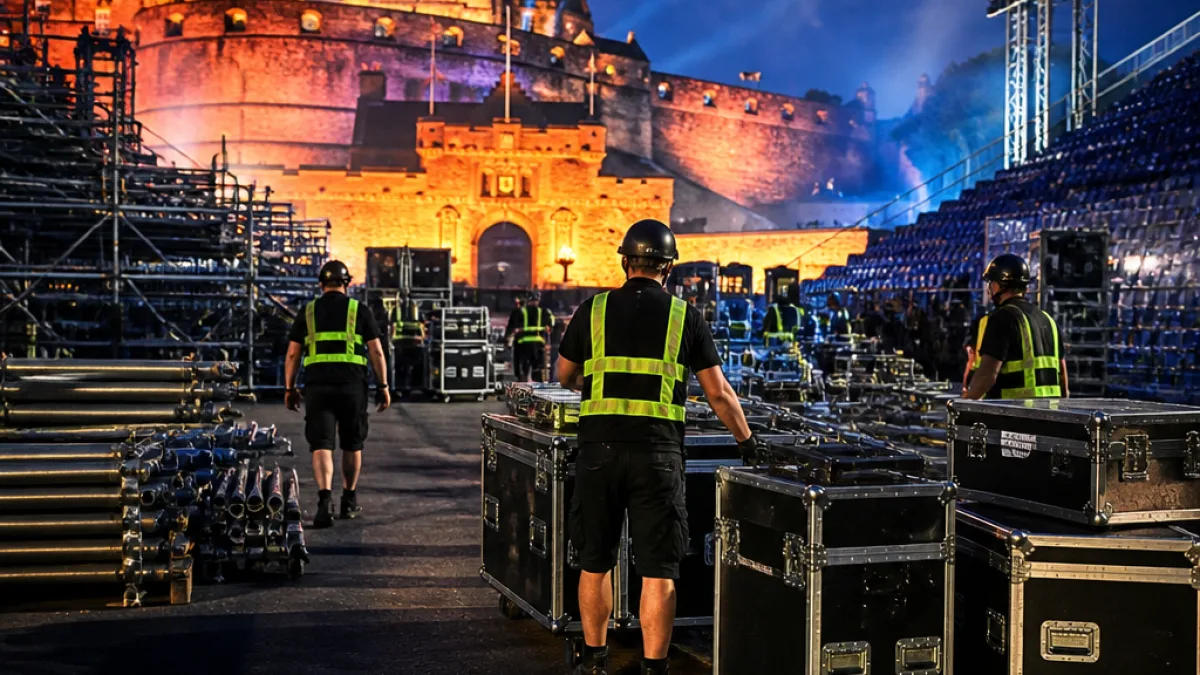
The Royal Edinburgh Military Tattoo acted, as it often does, as the clearest public signal that the city’s programme was fully under way. The Tattoo’s opening night — the first major gathering in the absence of an official curtain-raiser — was judged by many to be a bold reinvention. It was the second season under creative director Alan Lane and featured new staging elements and special effects, with actor Richard Rankin providing narration across the esplanade at Edinburgh Castle.
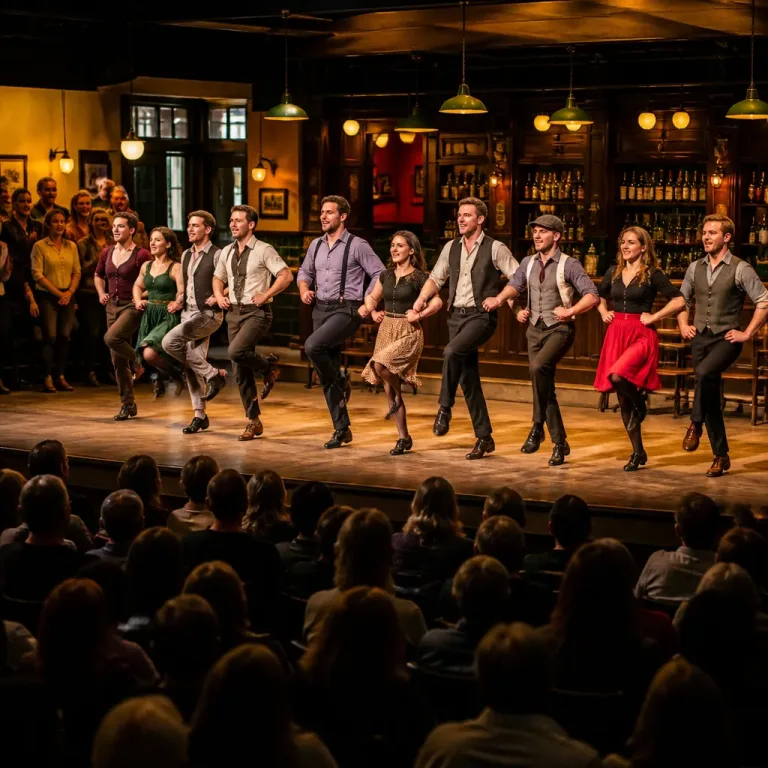
Among the Fringe’s theatrical successes was Grid Iron’s adaptation of Andrew O’Hagan’s Mayflies, staged in a warehouse space off The Shore in Leith. The production drew strong audiences and attention when actor Matthew Pidgeon was, on occasion, replaced by the author himself. Spotting high-profile visitors in unexpected corners of the city — the review notes Graham Norton among the audience for one performance — highlighted how the festivals continue to attract both local and international interest.
Local highlights and mixed experiences
Across the city there were notable moments: outdoor and site-specific work that used Edinburgh’s streets and waterfronts to strong effect; a Tattoo that some described as its most radical reinvention yet; and individual shows that generated genuine local enthusiasm. Yet the citywide experience was not uniformly positive.
"Residents are 'traumatised' by the festivals"
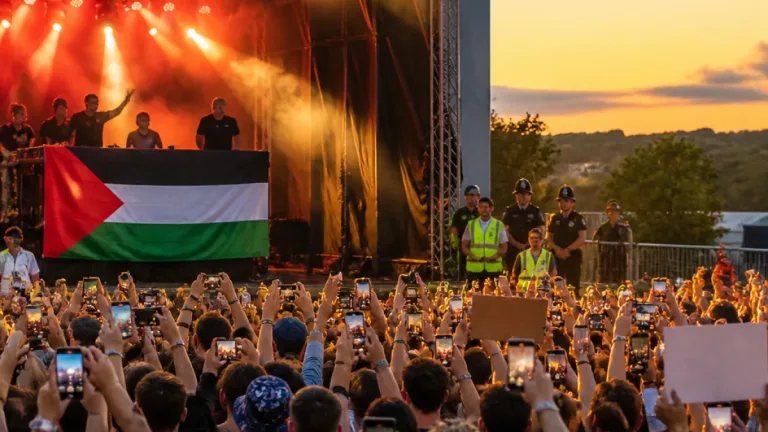
The tension between the festivals’ cultural value and the strain they place on daily life was a recurring theme. Complaints from residents about noise, crowds and disruption sit alongside business owners’ gratitude for the surge in visitors and spending. The balance between welcoming a global audience and ensuring local communities can carry on with a recognised quality of life will continue to be a central issue in council and festival planning discussions.
- Scale: More than 5,000 events took place across the city.
- Venues: Around 300 spaces were used, from major theatres to small pop-up rooms and warehouses.
- Notable shows: The Tattoo under Alan Lane and Grid Iron’s Mayflies in Leith attracted particular attention.
For residents of neighbourhoods such as Leith, the proximity of high-quality site-specific work was a highlight — seeing a Fringe production a short walk from home is, for many, a rare luxury. But for others, the influx of visitors intensified parking pressures, noise and a sense that ordinary urban life was paused for a city-wide performance.
What the numbers say
| Metric | Approximate figure |
|---|---|
| Events staged | 5,000+ |
| Venues used | 300 |
These headline figures underline the logistical scale of hosting the festivals and help explain why resident concerns about congestion and noise are enduring. They also show why the festivals remain a major economic driver for Edinburgh’s cultural ecosystem, supporting performers, technicians, hospitality and retail for several weeks each year.
Looking ahead, local debate will surely focus on measures that might better balance the needs of visitors and residents. That could include improvements to transport and crowd management, clearer local communications about programme and timings, and policies to spread activity more evenly across the city and over time so pressure points are reduced.
For many artists and audiences, however, the most lasting impressions will be the creative risks that paid off — reinventions of established events and bold, localised theatre that made use of Edinburgh’s distinct spaces. As venues are dismantled and marquees come down, the question for city planners and cultural leaders will be how to preserve those qualities while making the season less disruptive for the communities that host it.
In the meantime, locals will resume daily routines, theatres and venues will begin their autumn programmes, and conversations about the right shape for Edinburgh’s festivals will continue into the autumn months and beyond.