Community order and curfew imposed after dangerous driving across Dumfries
A 43-year-old man from Dumfries has been spared an immediate custodial sentence after admitting a string of offences relating to a dangerous driving incident in the town earlier this year. The court heard the actions caused alarm and risked the safety of pedestrians and other road users.
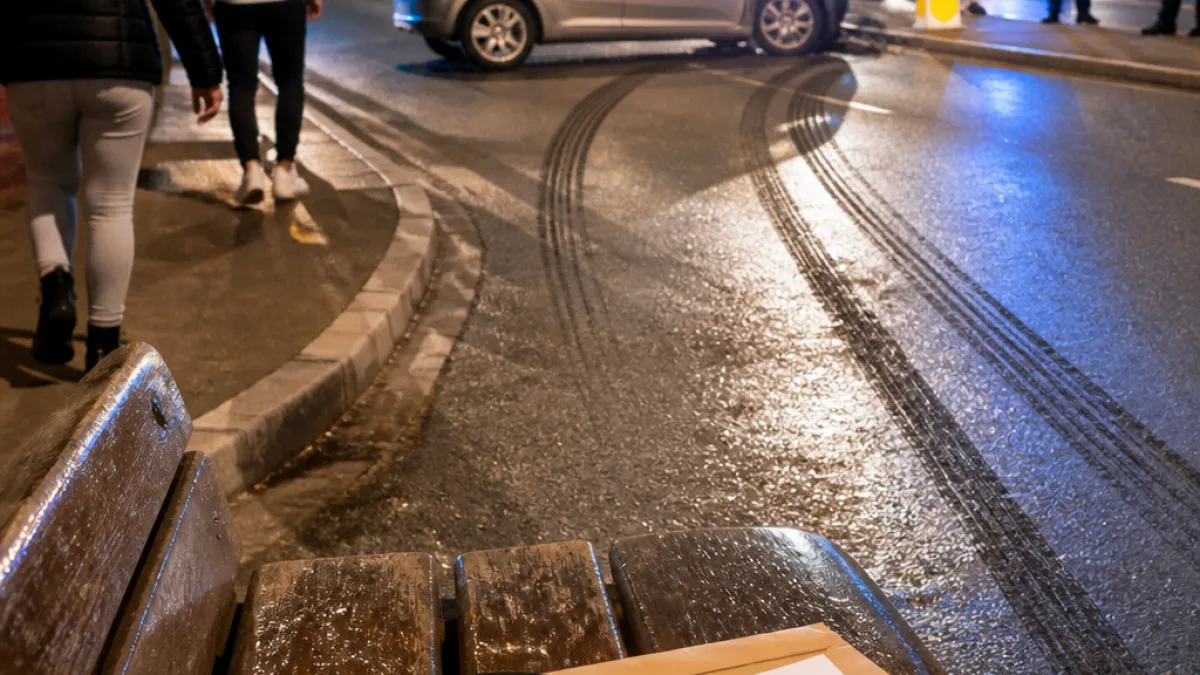
The incident occurred on 4 February and involved high-speed driving on the wrong side of the road across several well-known locations in Dumfries, including Glasgow Road, the Cuckoo Bridge roundabout and Glasgow Street. The driver, John McGill of Oakfield Drive, pleaded guilty to dangerous driving, driving while unfit through drink or drugs, failing to co-operate with a drugs test, and assaulting a police officer.
- Police say the vehicle collided with a central reservation before stopping on the Cuckoo Bridge roundabout and then continuing its route.
- At a pedestrian crossing near Goldie Park the vehicle ran a red light, forcing people to run to safety.
- On arrest, McGill refused to submit to a drug test and is reported to have kicked a police officer in the legs.
"The driving forced pedestrians to run for their lives," the court was told.
The sheriff imposed a community-based sentence, reflecting McGill's guilty pleas. His unpaid work requirement was set at 200 hours, reduced from an initial 280 hours following mitigation for the plea. He was also given a restriction of liberty order with a curfew tag, to run for five months, and disqualified from driving for 15 months.
Local impact and penalties
Incidents of this nature resonate strongly in Dumfries because they involve busy roads and areas frequented by pedestrians. Glasgow Road and the Cuckoo Bridge roundabout are key commuter routes; a dangerous driving episode there has the potential to cause serious injury or worse.
| Offence | Sanction |
|---|---|
| Dangerous driving | Community payback order (200 hours unpaid work) |
| Driving whilst unfit through drink or drugs | Driving disqualification (15 months) |
| Assaulting a police officer | Included within community sentence; specific additional penalty not recorded |
| Failure to co-operate with drug test | Recorded as an offence in the plea |
| Curfew | Restriction of liberty order for 5 months (curfew tag) |
The sheriff took account of McGill's early guilty plea when deciding the level of punishment, reducing the number of unpaid work hours from 280 to 200. No custodial sentence was imposed.
What this means for Dumfries residents
For local people the outcome balances punitive and rehabilitative aims: the community will see McGill undertake unpaid work and be subject to electronic monitoring, but there will be no immediate imprisonment. Road safety campaigners and residents who were present during the incident will likely be relieved that the court recognised the seriousness of the conduct, yet some may question whether a community sentence sufficiently reflects the risk posed during the episode.
The case also highlights law-enforcement challenges when drivers refuse to co-operate with drug testing and when arrests involve physical resistance. The reported kicking of an officer underscores the risks police face when bringing dangerous drivers into custody.
Police and local agencies have responsibility for reducing such incidents through enforcement, education and road-safety initiatives. For those who use the affected routes in Dumfries, the sentencing underlines the consequences of high-risk driving locally and the role of the courts in addressing behaviour that endangers the public.
Magistrates and sheriffs regularly consider a range of disposals when presented with dangerous-driving cases, including the use of curfews, unpaid work and disqualification to protect communities while aiming to reduce reoffending.