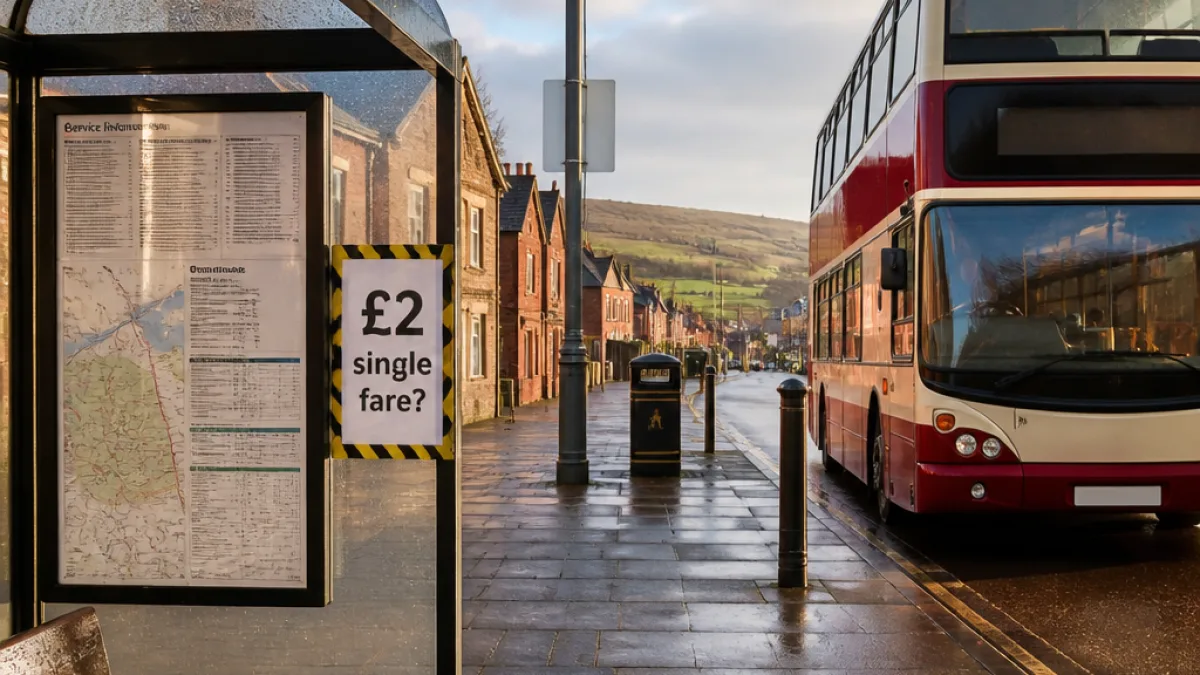
Delay leaves Dumfries and Galloway passengers uncertain over cheaper fares
Bus users across Dumfries and Galloway have been told they may need to wait considerably longer than other parts of Scotland to benefit from a proposed £2 single fare cap, after ministers set an initial timetable that prioritises the Strathclyde area in 2026–27.
The Scottish Government’s recently published Programme for Government sets out an intention to introduce the £2 cap within the Strathclyde Partnership for Transport area during 2026–27, but it stops short of committing a firm schedule for the rest of the country. Campaigners and local politicians say that could leave communities in the south-west — including Dumfries and Galloway — waiting until 2031 to see the same fare capped.
Green MSP for South Scotland Laura Moodie said the position amounted to a “postcode lottery”. She described rising fares and shrinking services as an on-going problem for residents and said the lack of a clear commitment in the Programme for Government was deeply disappointing.
“People across Dumfries and Galloway have faced rising bus fares for years, all while services are being cut. They are paying more, for less. Telling them that they may have to wait until 2031 for a £2 fare cap is too little, too late,” Ms Moodie said.
Ms Moodie warned the announcement effectively asks south-west Scotland to remain at the back of the queue for measures intended to make public transport more affordable and accessible.
- Immediate timetable: £2 cap due in Strathclyde in 2026–27.
- Possible wider roll-out: Other areas may not benefit until as late as 2031.
- Municipal ownership: The Programme for Government does not commit to legislating for municipal ownership of bus services, promising only to “engage on plans” within the next five years.
Local services already under pressure
Ms Moodie’s comments reflect long-standing concerns in Dumfries and Galloway about the sustainability of local bus networks. The source material notes services have been subject to cuts while fares have risen — a combination that campaigners say reduces accessibility for those who rely on buses for work, education and essential trips.
The Programme for Government also addresses the wider ambition of bringing more bus networks under public control, but without a legislative timetable this session. That uncertainty compounds worries that practical reforms to fares and local service design will be unevenly applied across Scotland.
| Area | Indicative £2 cap introduction |
|---|---|
| Strathclyde Partnership for Transport | 2026–27 |
| Other council areas (including Dumfries and Galloway) | Up to 2031 (may vary) |
Local authorities in the south-west will now be seeking clarity from ministers on whether additional support or interim measures can be offered before any nationwide roll-out. Without such steps, passengers in more remote and rural communities are likely to remain exposed to higher costs and fewer journeys.
Green and other campaign groups argue public transport should operate as a universal public service rather than differing by postcode. The Programme for Government’s wording — to “engage on plans” for municipal ownership rather than to legislate immediately — will do little to reassure those campaigning for swift and consistent change.
For Dumfries and Galloway residents dependent on buses, the key concerns are practical: when will fares fall, which services will be prioritised, and how will rural routes be protected? Until ministers set a detailed timetable beyond the Strathclyde area, those questions remain unanswered, leaving passengers and local campaigners to press for a clearer commitment.
As the debate continues, local councils and MSPs will be watching for any further announcements that move the £2 cap from policy ambition to an enforceable timetable for the whole of Scotland.