
Dumfries and Galloway has been named by National Geographic as one of the 25 best places in the world to visit for 2027, a designation that puts the south‑west of Scotland alongside cities and regions such as Melbourne, Jaipur and Puerto Rico on an influential travel list.
What National Geographic highlighted
The international magazine singled out a mixture of natural landscapes and heritage attractions in the region, recommending it for travellers seeking dramatic scenery and less‑crowded experiences. Contributions to the feature included observations from award‑winning travel journalist Mike MacEacheran, who described personal memories and recent highlights from touring the area.
"These days it's a rare, if lovely, feeling to have a part of Scotland largely to yourself - especially one so effortless to reach, yet entirely a world apart,"
MacEacheran also mentioned specific sites that informed his appreciation: the rolling hills of Galloway Forest Park, the pink turrets and self‑catering cottages on the Drumlanrig Castle Estate, and coastal and stargazing opportunities across the region.
Visitors’ attractions and upcoming projects
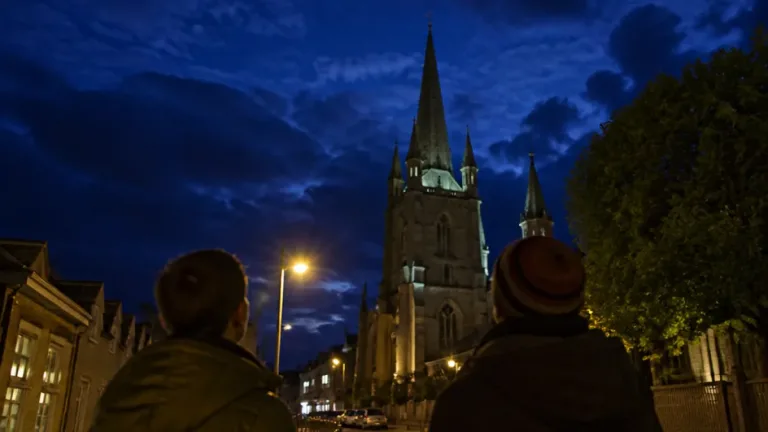
The feature highlighted a number of activities and projects that are likely to attract attention from domestic and international tourists, including mountain biking, dark sky observation and coastal walking routes. One notable development cited is the new Scottish Dark Sky Observatory at Clatteringshaws, scheduled to open next year, which the piece presented as part of the region’s appeal to stargazers.
- Galloway Forest Park – landscape and outdoor recreation
- Drumlanrig Castle Estate – historic architecture and accommodation
- Rhins of Galloway coastal path – long‑distance coastal scenery
- Scottish Dark Sky Observatory – new astronomy facility due to open next year
Implications for the region
The National Geographic endorsement is likely to raise the profile of Dumfries and Galloway among potential visitors planning trips for 2027. For a region described in the story as offering the chance to experience parts of Scotland "largely to yourself", increased tourist interest could bring economic benefit to local businesses, from accommodation providers to pubs and outdoor‑activity operators.
At the same time, the recognition may prompt questions about capacity and infrastructure. Rural areas often face challenges when visitor numbers rise quickly: transport links, parking, waste management and conservation of fragile landscapes all require planning and investment to cope with higher demand. The article points to the attractiveness of remote and serene landscapes — features that can be especially sensitive to overtourism.
How the region compares internationally
Being placed alongside well‑known global destinations amplifies the contrast between Dumfries and Galloway’s low‑density landscapes and the urban or tropical locations that populate many travel lists. The National Geographic inclusion positions the area not simply as a local or national asset but as part of an international travel narrative, which could shift how it is marketed and perceived by overseas visitors.
| Feature | Why it was noted |
|---|---|
| Galloway Forest Park | Rolling hills and outdoor recreation |
| Drumlanrig Castle Estate | Distinctive architecture and accommodation options |
| Scottish Dark Sky Observatory | New facility boosting astrophotography and stargazing interest |
National Geographic’s Best in the World list traditionally influences travel planning and editorial coverage. For Dumfries and Galloway, the designation is an opportunity to attract visitors seeking wide skies, coastlines and heritage — but it also brings the responsibility of ensuring that growth in tourism is managed in ways that protect the qualities that earned the area its recognition.
Local authorities and tourism bodies will now be watching to see whether the endorsement translates into increased bookings and enquiries, and how that demand is absorbed by the region’s services and environment.