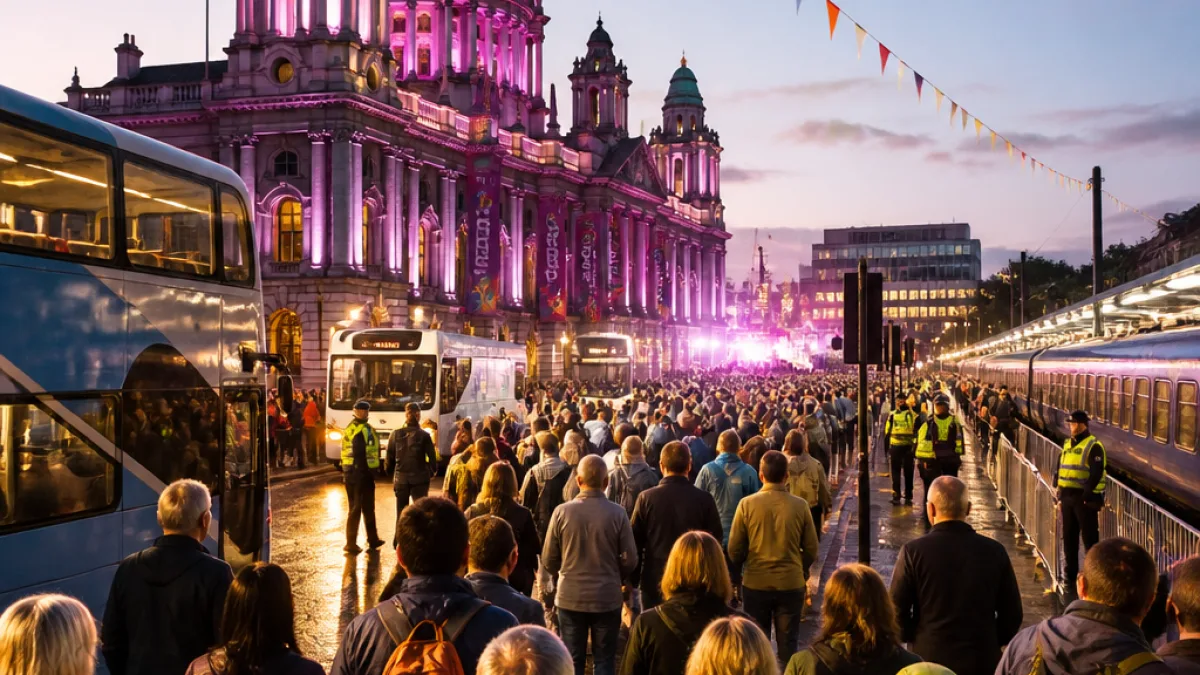
Record crowds, complex policing and a summer to remember
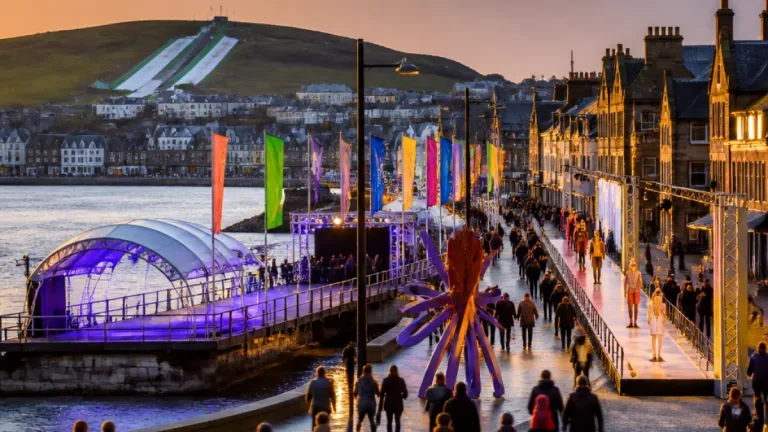
The first Fleadh Cheoil na hÉireann to be held in Belfast has been described by organisers and senior police as an "unforgettable week" for the city after drawing what are believed to be record crowds and placing heavy demand on local services.
Organisers estimate that more than one million visitors came to Belfast for the world’s largest celebration of Irish traditional music. Public transport provider Translink recorded more than 1.7 million passenger journeys across its bus and rail network during the Fleadh period, an increase of 620,000 journeys compared with the same period last year.
- Attendance: more than 1,000,000 visitors (organisers' estimate)
- Transport: Translink 1.7 million passenger journeys; +620,000 on last year
- Event future: Fleadh scheduled to return to Belfast next summer
At the closing ceremony at Belfast City Hall, a senior member of the Fleadh organising committee said the festival had drawn people from across communities and around the world, and that the city had been put in the spotlight.
"We’ve brought every single community together – and everybody has absolutely loved it."
Assistant Chief Constable Anthony McNally, who led on the policing operation for the event, praised the planning and delivery by officers and partner agencies. He said meticulous arrangements were put in place to manage traffic, transport and safety while ensuring Belfast continued to function as a living city during the festival.
He underlined the scale of the operation, describing it as "extremely complex and intensive" but said it was delivered to high standards and met with "overwhelming positivity" from visitors and residents. He added that officers were welcomed by those attending and helped to minimise disruption in the city centre.
Local impact and the challenge of hosting a global festival
The Fleadh’s arrival in Belfast represented a significant cultural moment for the city. In addition to headline concerts and competitions, the programme included performances reflecting the city’s diverse communities, with music from loyalist backgrounds and ethnic minority groups also showcased during the week.
The transport figures underline the pressure placed on infrastructure. Translink’s reported uplift of 620,000 additional journeys compared with the equivalent period last year signals both local residents using services and significant inbound travel from outside the city. For businesses, hoteliers and hospitality operators, such visitor numbers would typically bring a welcome boost, though the precise economic benefits for the wider Belfast economy will be analysed in the months ahead.
Organisers confirmed the Fleadh will return to Belfast next summer, offering another opportunity to build on the experience and learning from this year’s delivery. For city planners and public services, the focus will now turn to how lessons learned can be embedded to support future large‑scale events while maintaining everyday life for residents.
Lessons and looking ahead
Senior officials pointed to the importance of partnership working between organisers, police, transport providers and local authorities. They said such co‑ordination had been central to managing crowds and keeping streets and transport links moving.
| Metric | Figure |
|---|---|
| Estimated visitors | more than 1,000,000 |
| Translink passenger journeys | 1.7 million |
| Increase on last year | 620,000 |
Community leaders and business representatives will now assess the wider social and economic impacts of the Fleadh. For many residents the festival has left visible signs: packed venues, fuller city‑centre streets and an international audience sampling Belfast’s music, culture and hospitality. For those responsible for services and safety, the event has provided a blueprint for future major events in a city still growing its reputation as a venue for large festivals.
With confirmation the Fleadh will return next year, attention will shift to planning, capacity and how to sustain community engagement so the cultural benefits are shared widely across Belfast’s neighbourhoods.