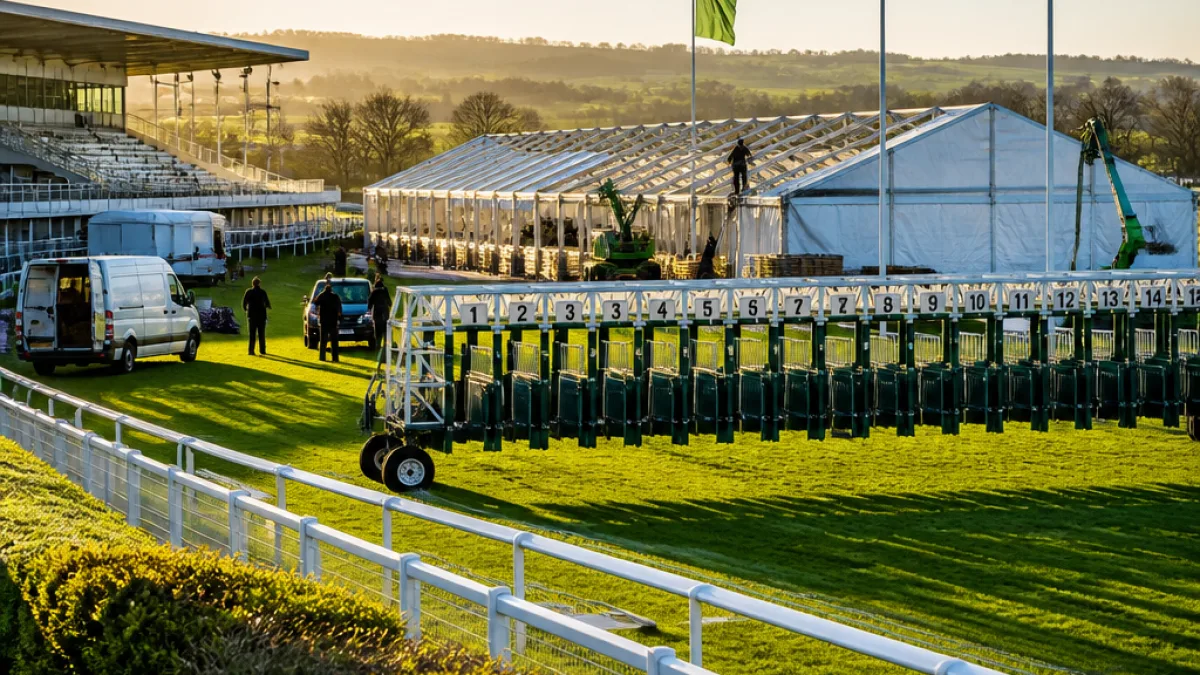
Bath Racecourse will start the 2027 Flat turf season on Good Friday, 26 March, the British Horseracing Authority (BHA) confirmed on Thursday when it published its fixture list for next year. The publication sets out a programme of 1,440 race meetings, a fall of 18 meetings compared with 2026, but otherwise little changed in headline terms.
What the calendar means for Bath and the region
The decision to open the Flat season at Bath is notable: traditionally fixtures of this kind have been led by courses such as Doncaster. The move gives Bath an early-season spotlight that should be welcomed locally by trainers, owners, hospitality providers and the town's pubs, hotels and restaurants that rely on racegoers throughout the year.
For staff and participants at the racecourse, the shift also brings the practical demands of staging a high-profile Good Friday meeting, a date that sits close to other major spring fixtures. The BHA's published calendar places Doncaster's two-day Lincoln meeting from 3 April, followed closely by Aintree's three-day Grand National Festival beginning 8 April. Major national fixtures are spread across the spring and summer, with Cheltenham taking place from 16–19 March and Royal Ascot opening on 15 June.
Governing body and jockeys at odds over approach
The BHA has framed the approach as a strategic balance. In a blog accompanying the list, its director of racing, Richard Wayman, set out the rationale for keeping the overall volume of fixtures broadly the same. He said the board concluded that supporting prize-money and pursuing a long-term growth agenda meant the proposed contraction in meetings was not in the sport's best interests.
“We already know that different parties across the sport have a different view on whether the 2027 fixture list should have been cut… the board concluded that the sport's interests would be best served by seeking to support prize-money and our long-term growth agenda.”
The Professional Jockeys Association (PJA) responded with surprise, making clear in a statement that its board and members expected a different direction. The PJA warned that maintaining a heavy fixture list carries risks given concerns over a shrinking broodmare band and foal crop, staff retention pressures and the cumulative strain on participants who service a relentless racing calendar.
- Fixture total: 1,440 race meetings (down 18 from 2026)
- Bath's role: to host the opening Flat turf meeting on Good Friday, 26 March 2027
- Key nearby dates: Cheltenham 16–19 March; Doncaster Lincoln meeting from 3 April; Aintree Grand National Festival from 8 April; Royal Ascot from 15 June
Local impact and unanswered questions
For Bath the immediate benefit is clear: an early-season fixture typically attracts visiting trainers and owners, and can stimulate local trade. Yet longer-term questions remain. The PJA's concerns about breeding and workforce retention point to structural pressures that could affect field sizes and the quality of racing in years to come. If prize-money is prioritised, as the BHA board has argued, it may help sustain ownership and keep horses in training, but there are trade-offs.
Racecourse management in Bath will need to balance expectations for a well-attended Good Friday meeting with the operational realities of staff availability and ground conditions in early spring. Local businesses that cater for racegoers will be watching closely, hoping a prominent curtain-raiser brings a welcome boost to trade after a challenging period for hospitality and events nationally.
| Event | 2027 date |
|---|---|
| Bath Flat season opener | Good Friday, 26 March |
| Cheltenham Festival | 16–19 March |
| Doncaster Lincoln | From 3 April |
| Aintree Grand National Festival | From 8 April |
| Royal Ascot | From 15 June |
As the 2027 season approaches, Bath's place at the head of the Flat calendar offers a moment of local pride but also underlines the wider debate within British racing about how to sustain the sport. Owners, trainers and riders in the West Country will be weighing the merits of a busy fixture list against the pressures the PJA has highlighted, while Bath businesses prepare for an earlier than usual peak in raceweek trade.