PUducherry — Large quantities of single-use plastic are being carried by the Uppar drain and two main storm-water channels into the Ariyankuppam River and the Thengaithittu backwaters, environmental observers said, choking mangrove stands and degrading a sensitive wetland area south of Pondy Marina.
Visible pollution along boating routes, strain on livelihoods
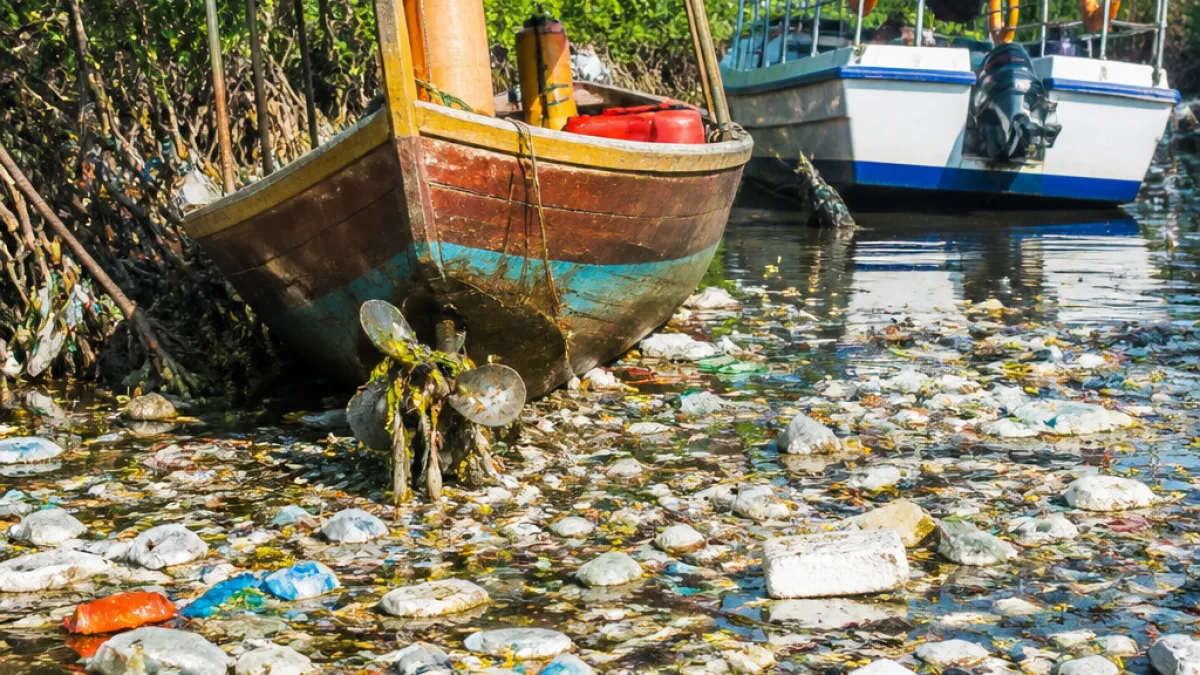
Disposable bags, bottles, food wrappers, tetra packs, cups, sachets and thermocol debris are being transported with wastewater and storm runoff, particularly during rains, and accumulating in slow-moving backwater channels. The detritus becomes entangled in mangrove roots and forms conspicuous mounds along boating routes frequented by tourists.
Boating through the mangroves and backwaters is a popular draw for visitors to Puducherry, with organisers estimating between 2,000 and 3,000 tourists on a typical weekend for boating and related eco-tourism activities. However, operators and visitors are increasingly finding plastic litter trapped along banks and caught in vegetation, undermining the visitor experience and raising concern about the health of the wetland.
Impact on fishermen and boat operators
Local artisanal fishermen report that nets bring up more plastic than fish on some outings, forcing them to spend extended time cleaning gear rather than fishing. Boat operators say plastic gets caught in propulsion systems, creating safety and operational problems.
"The plastic from the Uppar drain and two major drains in Murungapakkam is choking the mangroves and harming the mangrove ecosystem. The plastic waste is also a very big nuisance for the small, artisanal fishermen who fish in the backwaters for their livelihood. When they cast a net to catch fish, there is more plastic waste than fish in their nets. These fishermen spend more time having to clean their nets than cleaning fish."
The quote above is from Aurofilio Schiavina, a coastal management expert consulted on the condition of the backwaters.
Ecological concerns
Officials and experts warn that plastic accumulation in mangrove areas can smother pneumatophores (specialised breathing roots), reduce seedling survival and alter habitat quality for fish, crustaceans and birds that rely on the wetland. The debris also fragments into microplastics, which can persist in the ecosystem and enter food chains.
Calls for monitoring and coordinated action
Observers have urged systematic monitoring to quantify both the volume and composition of plastic waste entering the Thengaithittu backwaters. They say data is needed to prioritise clean-up operations, target source-reduction measures and assess ecological impacts over time.
- Immediate actions suggested: regular clean-ups of drains and mangrove corridors, clearing of blockages at drain mouths and removal of accumulated debris from boat routes.
- Medium-term steps: source reduction through bans or enforcement on single-use plastics, improved waste collection in upstream neighbourhoods and public awareness campaigns.
- Long-term measures: scientific monitoring of plastic loads, mangrove restoration where roots are smothered, and livelihood support for affected fishers.
Data snapshot
| Affected feature | Observed problem |
|---|---|
| Ariyankuppam River | Accumulation of single-use plastic carried by storm drains |
| Thengaithittu backwaters and mangroves | Plastic trapped in roots and channels; mounds of visible waste along boating routes |
| Boating and tourism routes | Debris obstructing navigation; plastic fouling propellers |
Practical information for residents and visitors
Residents and tourists can help by avoiding single-use plastics, disposing of waste through authorised collection systems and reporting severe blockages or large debris accumulations to municipal authorities. Boat operators and local associations can coordinate targeted clean-ups in frequently used channels while municipal agencies consider deploying booms or nets temporarily at drain mouths to intercept floating plastic before it reaches mangroves.
Experts emphasise that while clean-ups are necessary to remove existing debris, reducing the flow of plastic into drains requires upstream action on waste management and behaviour change among consumers and vendors. Systematic data collection on plastic types and quantities will be essential to design effective interventions without unintended ecological harm.
The situation highlights a tension between conservation of a fragile coastal wetland and the economic value derived from eco-tourism and artisanal fishing, both of which depend on a healthy mangrove ecosystem. Authorities, community groups and experts say coordinated measures are required to arrest further degradation and restore impacted areas.