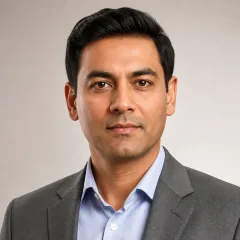

Muzaffarnagar, Uttar Pradesh: Additional District and Sessions Judge Ravi Kumar Diwakar, posted to Fast Track Court No. 3 in Muzaffarnagar since November 2025, has sentenced 22 individuals to death in 10 criminal cases over a four-month span between April and August, according to reporting by news agencies.
Details and timeline of sentences
The rulings include convictions in cases involving murder and violent robbery. Court records and reports indicate the following spread of death sentences delivered by Judge Diwakar:
- 6 April — three people sentenced to death in the murder of lawyer Sameer Saifi;
- 28 April — four people given capital punishment in another murder case;
- 20 June — two death sentences;
- 2 July — one death sentence;
- 6 July — two death sentences;
- 17 July — four death sentences;
- August — five death sentences, including one on 12 August and four on 31 August.
The total comes to 22 capital sentences across 10 cases delivered in the four-month interval.
Context: how this compares with state and national figures
The pace of these trial-court sentences has prompted attention because it exceeds last year’s trial-court output for the entire state. The Death Penalty in India: Annual Statistics Report 2025 by the Square Circle Clinic at NALSAR University of Law, Hyderabad recorded 128 death sentences nationwide in 2025, with Uttar Pradesh accounting for the highest share among states at 28 sentences for the year.
| Jurisdiction | Death sentences (trial courts) in 2025 |
|---|---|
| India (total) | 128 |
| Uttar Pradesh | 28 |
By comparison, Judge Diwakar’s 22 sentences over four months are notable for their concentration in a single court posting.
Legal issues and the 'rarest of rare' doctrine
Legal commentators and human rights observers frequently point to the Supreme Court’s "rarest of rare" test that is meant to limit capital punishment to exceptional cases. Reports note a recurring disparity between the number of death sentences imposed by trial courts and those ultimately confirmed by higher courts, as appellate review, mercy petitions and commutation processes can alter outcomes.
The recent cluster of sentences has rekindled public discussion in Uttar Pradesh about how the doctrine is applied at trial level and about broader sentencing practices in fast-track courts.
Judge Diwakar’s judicial career
According to public records cited in reporting, Ravi Kumar Diwakar was born in July 1980 and began his judicial career after appointment as a civil judge in 2009. Before his current posting in Muzaffarnagar, he served in several districts in Uttar Pradesh, including Sultanpur, Budaun, Varanasi and Bareilly. He first came into national view in 2022 when, as a civil judge in Varanasi, he ordered a videographic survey of the Gyanvapi mosque complex, a matter that later drew wider attention.
Implications for the criminal justice system in Uttar Pradesh
Legal practitioners said the figures underline how individual trial courts can influence the state’s sentencing profile. Fast-track courts, designed to expedite trial processes, have been used for a range of heinous offences; however, the rapid succession of capital judgments in a single court has put emphasis on procedural safeguards, standards of evidence and the appellate pipeline.
- Observers note the importance of appellate scrutiny: many trial-court death sentences are altered on review.
- Human rights groups typically argue for restraint and stress conformity with precedents that limit capital punishment.
- Victims’ families and local communities often seek speedy justice, which fast-track courts are meant to provide.
At present there is no public record in the reporting of how many of the recently sentenced individuals have filed appeals or mercy petitions. The final legal outcome for each convict will depend on appellate and executive review processes established under Indian law.
The concentration of capital sentences in Muzaffarnagar’s Fast Track Court No. 3 during the four-month period has therefore become a focal point for debate about the exercise of judicial discretion, the role of expedited trials and how the death penalty is reserved for the gravest crimes under the Indian legal framework.
Further developments — including motions in higher courts or responses from state judicial authorities — are likely to shape how these cases are resolved and how the issue of capital sentencing is discussed in Uttar Pradesh in the months ahead.