Centre files application to secure GI protection for traditional Amritsar shawl
The Union government has initiated the statutory process to obtain a Geographical Indication (GI) for the traditional Amritsar shawl, a step that could bolster the city’s textile identity and commercial prospects, the Hindustan Times reported. The application was filed under the Geographical Indications of Goods (Registration and Protection) Act by the Textile Committee, the report said.
Amritsar accounts for an estimated ₹1,700 crore of India’s roughly ₹3,000-crore shawl and stole market, including about ₹600 crore in exports, the report noted. The local manufacturing base comprises nearly 2,000 traditional powerlooms, some 450 electronic jacquard machines and numerous micro and small powerloom units that together sustain artisans, weavers and allied workers across the district.
Why GI matters for Amritsar’s textile ecosystem
A GI registration recognises that a product’s quality, reputation or other characteristics are attributable to its geographical origin. For Amritsar shawls, proponents say the designation could:
- protect the craft’s traditional identity and curb misuse of the “Amritsar” name in domestic and overseas markets;
- strengthen branding and market access for producers and exporters; and
- offer legal recourse against counterfeits and unauthorised commercial use of the name.
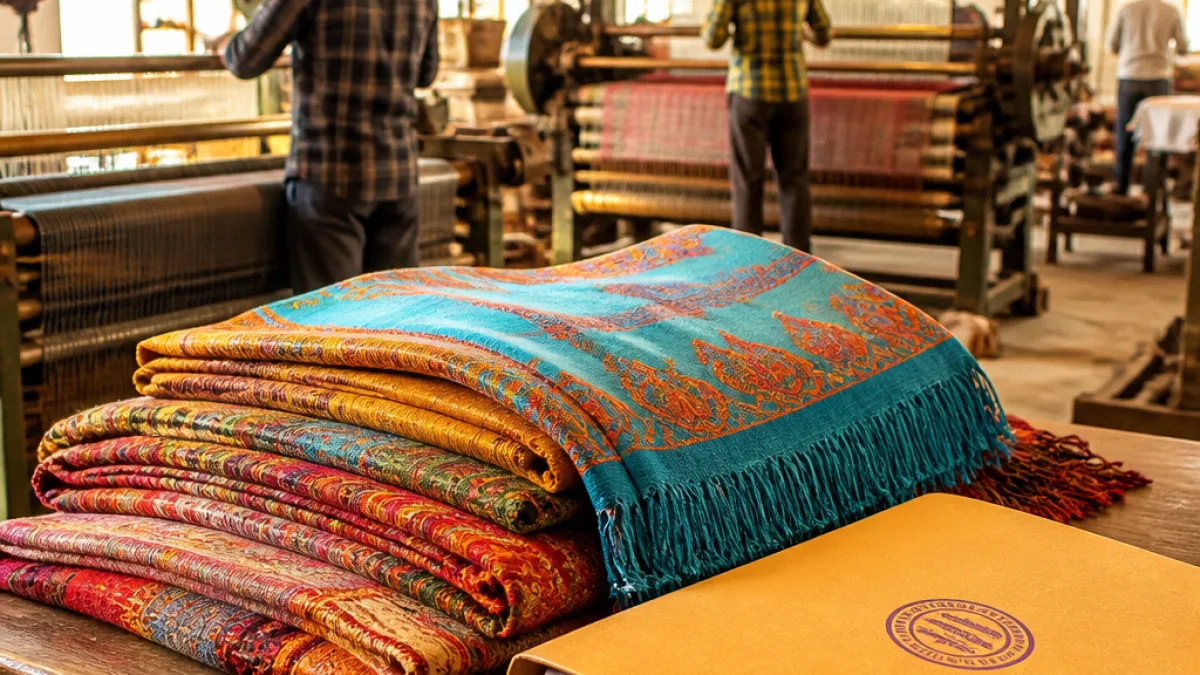
The shawls are prized for their intricate hand embroidery and distinct motifs, and are traditionally made from materials such as Pashmina, wool, silk and blended fabrics. Embroidery techniques including crewel and aari, along with floral and other traditional designs, are cited as defining the Amritsar product’s aesthetic and premium appeal.
Support schemes and recent assistance to local units
The report highlights specific assistance channelled to Amritsar under the Amended Technology Upgradation Fund Scheme (ATUFS). Between 2018 and 2024, authorities settled 70 cases and released ₹12.9 crore in capital investment subsidy to textile units in the city. The annual subsidy payments cited were:
| Year | Subsidy released (₹ crore) |
|---|---|
| 2022 | 4.70 |
| 2020 | 2.83 |
| 2021 | 2.19 |
| Other years (combined) | 2. (See detailed report) |
(Note: the report gives the total assistance released between 2018 and 2024 as ₹12.9 crore and cites the peak year figures above.)
Local implications and outlook
Artisans and small manufacturers in Amritsar have long faced pressures from cheaper imitations and non‑geographical branding that can erode value for traditional producers. A GI tag could help differentiate genuine Amritsar shawls in a crowded market and support premium pricing, particularly in the export segment where the city already accounts for about ₹600 crore in shipments.
“GI recognition can formalise what generations of weavers and embroiderers have built — a distinct product identity linked to place, craft and skills,” the Hindustan Times reported on the move.
However, GI protection is only one element of a broader strategy needed to sustain the sector: improved design and market linkages, access to technology and credit, and credible enforcement against misuse of the name are also essential. The Textile Committee’s application starts a formal process; registration, if granted, would need follow‑through from local government, industry bodies and exporters to translate legal recognition into tangible gains for workers and units in Amritsar.
For many in the city’s weaving neighbourhoods and industrial clusters, the announcement will be watched closely. Any official recognition that helps preserve traditional techniques while opening fresh market opportunities could make a meaningful difference to livelihoods in and around Amritsar.