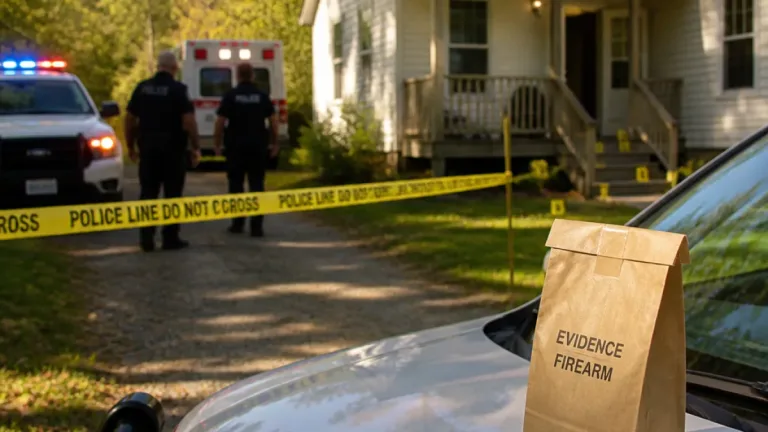
The province’s independent police watchdog has cleared two Annapolis Royal police officers of any criminal wrongdoing after investigating allegations they conspired to kill a local offender and that one later attempted to extort the other.
Background and scope of investigation
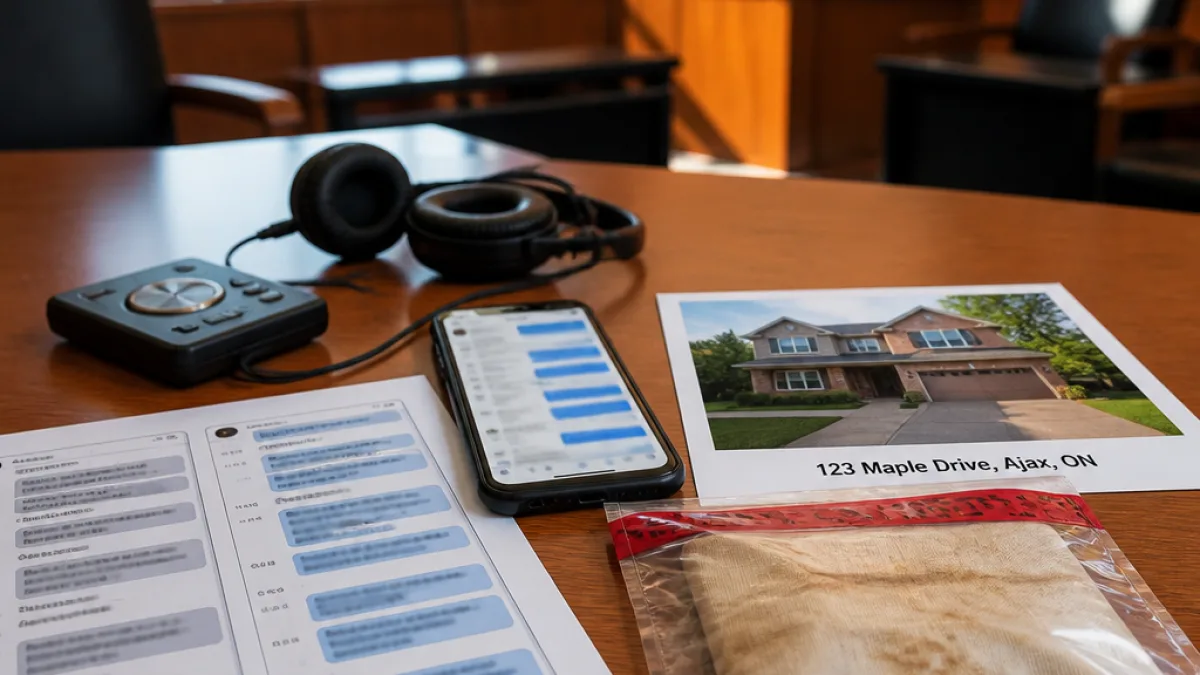
The Serious Incident Response Team (SIRT) released a report on Friday detailing an inquiry that began with a referral from the Bridgewater Police Service in May. The referral related to a conversation between two members of the Annapolis Royal Police Service that SIRT said involved talk of harming a person known to police.
SIRT’s report identifies the two officers only as Subject Officer 1 (SO1) and Subject Officer 2 (SO2). Investigators say evidence indicates the relevant discussion took place at SO1’s home in May of last year; however, SO1 declined to provide a statement or submit notes to the agency. The report notes that subject officers are not legally required to speak with SIRT.
What investigators heard
SIRT interviewed SO2 on two occasions. According to the report, SO2 told investigators that SO1 had expressed a desire for the offender to be "dealt with" using "black ops" or what SO1 described as "old school justice." SO2 says he did not intend to harm the person and believed SO1 was not serious about carrying out a plan.
The report also says SIRT heard from other witnesses who had spoken with SO1 about the incident. One civilian witness told investigators SO1 had been hospitalised and heavily sedated with medication around the time of the conversation.
"The discussion alone does not establish a conspiracy,"
Those words, written by SIRT Director Erin Nauss, summarise the agency’s legal assessment. The report found that while the conversation included talk of violence, there was no evidence the officers took any steps to implement a scheme to harm the individual in question.
Allegation of blackmail
The referral to the watchdog also included an allegation that one officer later tried to blackmail the other. The published summary of SIRT’s findings does not state that investigators found proof of extortion. Instead, the report focuses on differences in accounts and the absence of actions consistent with planning a criminal act.
Key findings and legal threshold
SIRT’s conclusion rested on two central points:
- While witnesses recounted talk about harming an offender, there was no evidence of steps taken to commit an offence; and
- Conflicting accounts between SO1 and SO2 made it impossible to establish beyond a reasonable doubt that a conspiracy existed.
Those conclusions reflect the legal threshold for criminal charges: discussion alone, without corroborating actions or intent, does not necessarily meet the standard for prosecution.
Community and policing implications
The case raises difficult questions for communities served by small-town police services. Conversations that contemplate "old school justice" erode public trust regardless of whether they result in criminal conduct. For investigators, proving an intention to follow through beyond talk is often the most challenging part of establishing a conspiracy.
SIRT’s report did not lay out disciplinary outcomes; it focused on whether criminal charges were warranted. The watchdog’s mandate is to investigate and, where appropriate, refer matters for prosecution. In this instance, SIRT found insufficient evidence to recommend charges.
Timeline of events
| When | Event |
|---|---|
| May (year prior) | Conversation between SO1 and SO2 at SO1’s home about harming an offender |
| May (referral) | Bridgewater Police Service refers matter to SIRT |
| Subsequent months | SIRT interviews witnesses and SO2; SO1 declines to provide a statement |
| Report release | SIRT clears officers of criminal wrongdoing |
What comes next
The watchdog’s decision does not preclude other forms of review. Police services may choose to pursue internal administrative processes if they determine conduct fell short of professional standards. In addition, community members and local leaders often seek clarity about oversight and transparency after high-profile investigations.
For now, SIRT’s published findings close the criminal-investigative chapter, concluding that the recorded conversation and conflicting accounts did not rise to the level of a prosecutable conspiracy or provide proof of extortion. The report leaves outstanding questions about workplace relations, officer fitness for duty, and how small services handle allegations between colleagues — issues that could prompt further scrutiny at the municipal or provincial level.
As the province watches how local services respond, the central message from the watchdog is clear: rhetoric about violence alone, however disturbing, is not always enough to sustain criminal charges without evidence of steps taken to carry out a plan.