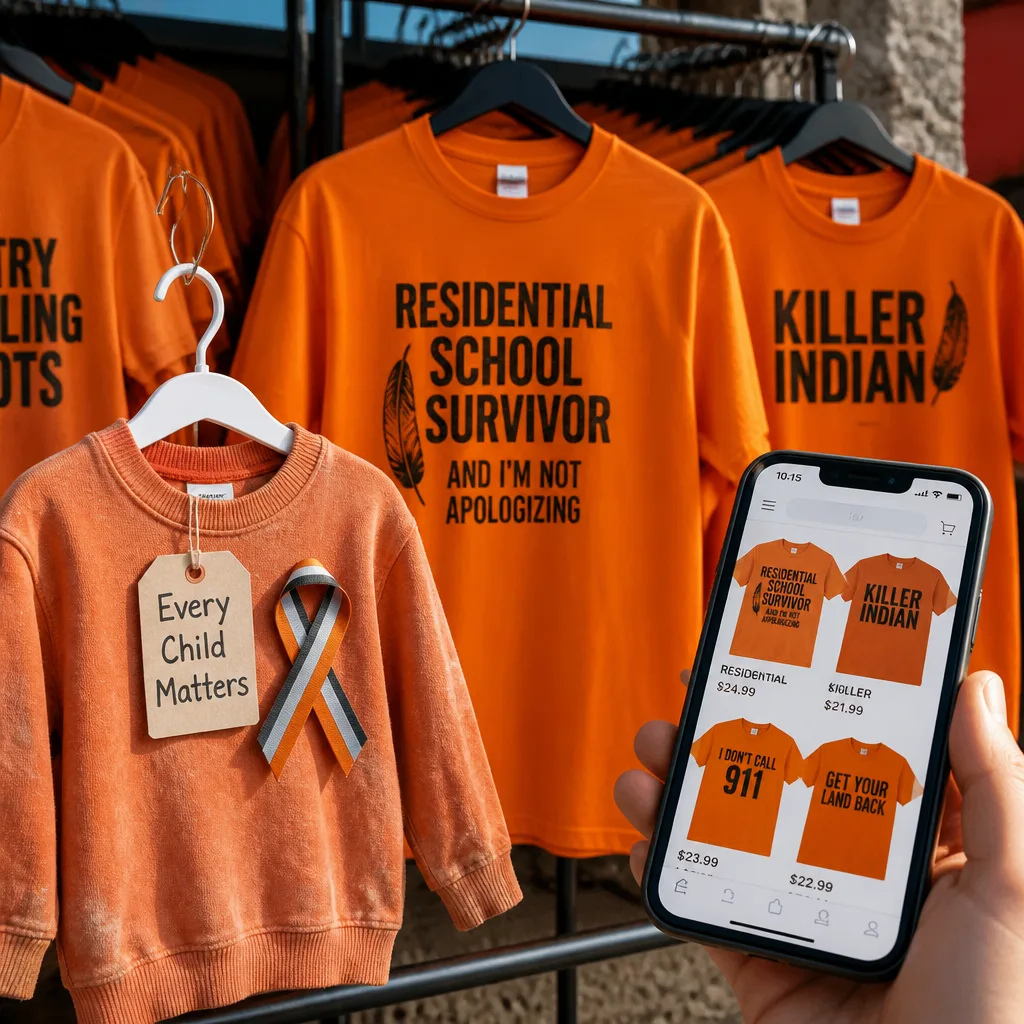
The founder of Orange Shirt Day says she was left “sick to her stomach” after learning that orange T‑shirts with slogans questioning residential school findings were being offered for sale online — a move she called a deliberate and painful exploitation of her campaign.
Campaign founder says her work is being used to wound survivors
Speaking from Tk̓emlúps te Secwépemc in British Columbia — the First Nation that announced a 2021 discovery of potential unmarked graves near a former residential school site — Phyllis Webstad said her initiative to honour children taken to residential schools has been co‑opted in a way that hurts survivors and communities.
"It's my truth and what I know is the truth. It seems like this truth is not being respected. It's not being understood. It's being pushed aside," Webstad said, holding back tears.
Webstad recalled the origin of the orange shirt symbol: in 1976 she arrived at St. Joseph's Mission residential school in Williams Lake wearing a gifted orange shirt that was taken from her by school officials and never returned. She founded Orange Shirt Day on Sept. 30, 13 years ago, to commemorate children who were forced to attend residential schools and to promote conversations about the system's legacy.
T‑shirts marketed as challenging 'identity politics'
In late August, the online outlet Rebel News began offering orange shirts for the National Day for Truth and Reconciliation that carry phrases including “Still no proof,” “You can't handle the truth,” “Buried Truth” and “Dig Deeper.” The site also offered a shirt bearing the phrase “Canada was built not stolen.”
Rebel News described the products as part of a push to "challenge the identity politics that Canadians are increasingly pressured to accept and stand up for the whole truth in our complex Canadian history," according to material posted when the shirts went on sale.
Political and community reaction
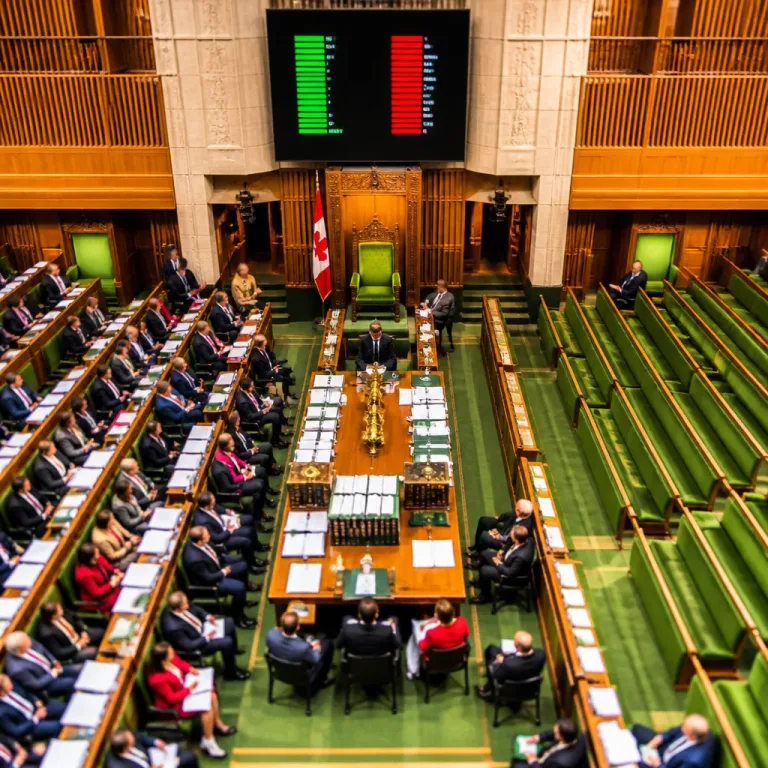
Members of Parliament and Indigenous advocates have called the shirts offensive — describing them as a grotesque attempt to capitalise on survivors' pain. Webstad said the sales felt like a direct attack on the work of the Orange Shirt Society and on the survivors and families the day seeks to honour.
- Origin of the symbol: Webstad’s orange shirt taken at St. Joseph's Mission, Williams Lake, in 1976.
- Purpose: Orange Shirt Day was founded to commemorate children who attended residential schools and promote awareness of their lasting impacts.
- Controversy: Rebel News’ merchandising campaign features slogans that question or challenge mainstream accounts of residential school harms.
What's at stake nationally
The dispute highlights enduring tensions in Canada over how the history and legacy of the residential school system are remembered and discussed. Orange Shirt Day has become an important commemorative day, and efforts perceived as undermining survivors’ experiences risk deepening wounds.
For many Indigenous communities and survivors, the issue is not simply a matter of differing interpretations of history but of recognition, respect and the dignity of those who endured abuse and displacement. Webstad’s emotional response reflects a broader concern that commerce and political messaging may be used in ways that retraumatise survivors.
| Slogan | Context |
|---|---|
| Still no proof | Featured on shirts sold by Rebel News |
| You can't handle the truth | Featured on shirts sold by Rebel News |
| Buried Truth / Dig Deeper | Featured on shirts sold by Rebel News |
| Canada was built not stolen | Featured on shirts sold by Rebel News |
Rebel News founder Ezra Levant pointed reporters to a video on the outlet's website launching the sale and said their reporter "approaches these issues with compassion," noting that the stated purpose of the National Day for Truth and Reconciliation is to honour survivors and their communities so Canadians can better understand the legacy of the residential school system.
The incident is likely to prompt renewed discussion in Parliament and across the country about how commemorative days and survivor-led initiatives are treated in the public sphere, and whether commercial campaigns that contest or mock those initiatives should be permitted to trade on their imagery.
As the nation observes the National Day for Truth and Reconciliation, Indigenous leaders, survivors and many Canadians will be watching closely to see how institutions, media outlets and retailers respond to calls for respect and sensitivity toward those who continue to live with the consequences of the residential school system.