A commentary published this week argues Charlottetown cannot afford more of the same at City Hall and urges residents to demand improvements in transparency, accountability and the accessibility of local elections.
Calls for a more visible, accountable municipal government
The opinion piece says Charlottetown residents care deeply about their community and that that care must extend to how the city is governed. It suggests the current council has "given residents ample reason to question the competence, transparency, and accountability (or lack thereof)."
At its core, the commentary frames municipal government as a public trust: when that trust is frayed, citizens have a responsibility to insist on tangible reform. The author writes a city has a democratic duty to make its elections "visible, accessible and worth participating in."
"This council has given residents ample reason to question the competence, transparency, and accountability (or lack thereof)."
What residents are being asked to do
The piece urges voters to move beyond frustration and channel it into civic engagement. It argues that changing the culture at City Hall will not happen on its own and that residents must press for standards and mechanisms that raise the bar for municipal leadership.
That can include, but is not limited to:
- Demanding clearer, more timely public reporting from council and administration;
- Insisting on open, accessible public consultations for major projects and policy changes;
- Encouraging higher voter turnout and participation in municipal elections through outreach and voter education.
Why this matters for Charlottetown
Municipal decisions shape many everyday aspects of life in Charlottetown: local infrastructure, planning and development, property taxation, recreation and cultural programming, and frontline services. When citizens feel excluded from or mistrustful of the decision-making process, the result can be disengagement and poorer outcomes for the community.
Strong, transparent municipal governance matters for neighbourhood quality of life and for the city’s reputation among residents, businesses and visitors. The commentary makes the case that visible, accountable governance also makes elections more meaningful — and that meaningful elections in turn make better governance more likely.
Paths to greater transparency and accountability
The piece does not prescribe a single fix but highlights a few recurrent themes in municipal governance debates:
| Area | What residents want |
|---|---|
| Transparency | Clearer reporting, access to information and timely communication |
| Accountability | Mechanisms to evaluate decisions and elected officials’ performance |
| Engagement | Accessible consultations and initiatives to boost voter participation |
Those themes are familiar to many Charlottetown residents who have raised questions about recent council decisions in public forums and on social media. The commentary’s central message is that these concerns should translate into civic action rather than resignation.
Next steps for engaged citizens
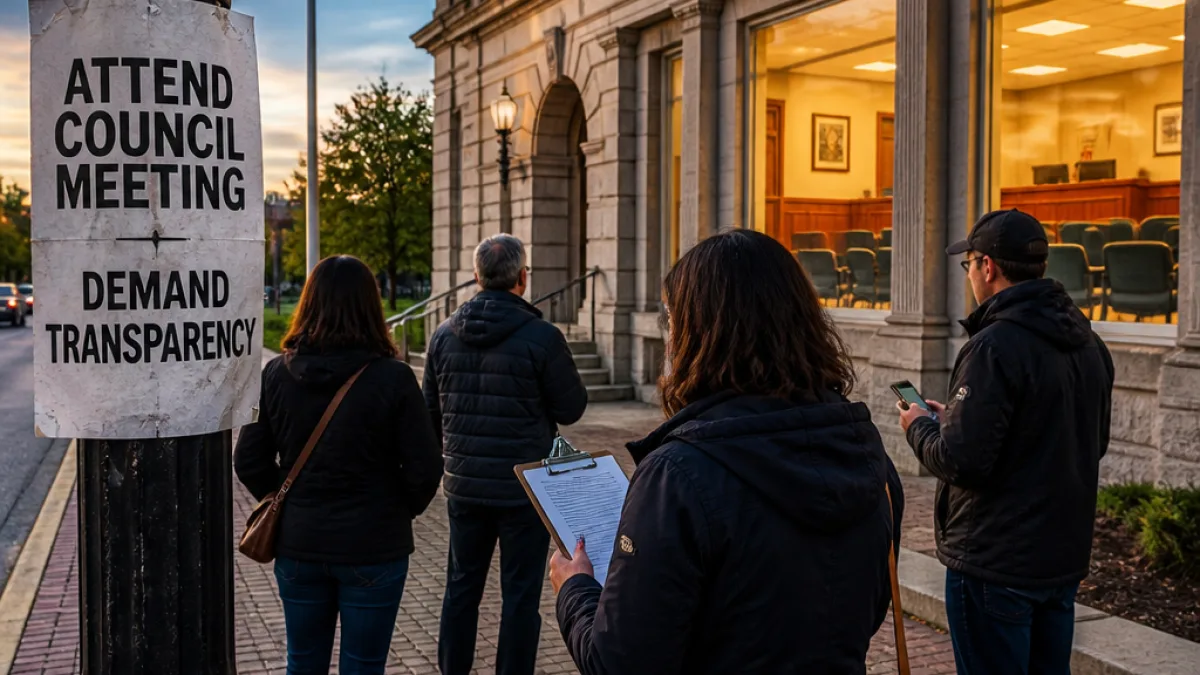
For residents who want to push for change, the commentary suggests several practical starting points: attend council meetings, submit questions during public comment periods, participate in community consultations, and hold candidates to clear standards in the run-up to municipal elections.
It also stresses voters should look for candidates who prioritise openness and a demonstrated willingness to communicate with residents. The piece aims to move the conversation from criticism to constructive pressure that could lead to more responsive municipal governance.
Whether that pressure will reshape the culture at City Hall remains to be seen, but the commentary ends on a straightforward appeal: if Charlottetown residents want better governance, they must demand it — loudly, persistently and at the ballot box.