Damage discovered after weekend storms
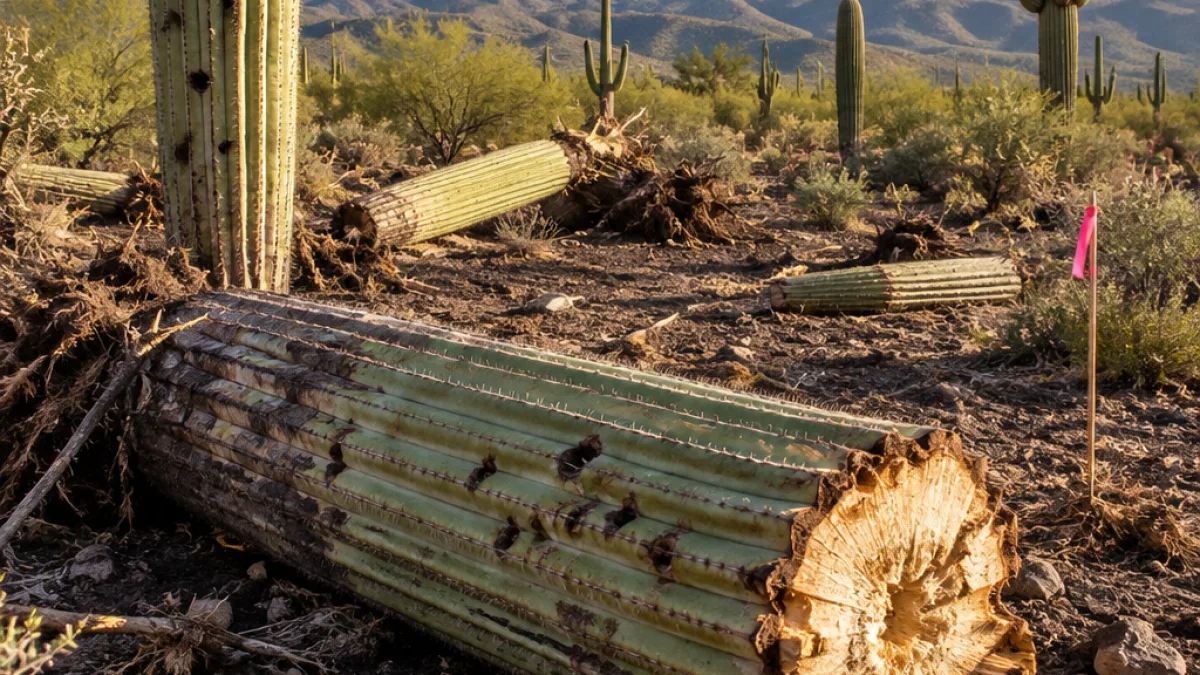
More than 20 native cactuses were destroyed at replanting sites in Arizona’s Tonto National Forest, according to Natural Restorations, a nonprofit organization involved in the conservation effort. The plants were found uprooted, cut apart and struck by bullets and BB pellets in the Four Peaks area, where the group had been restoring vegetation.
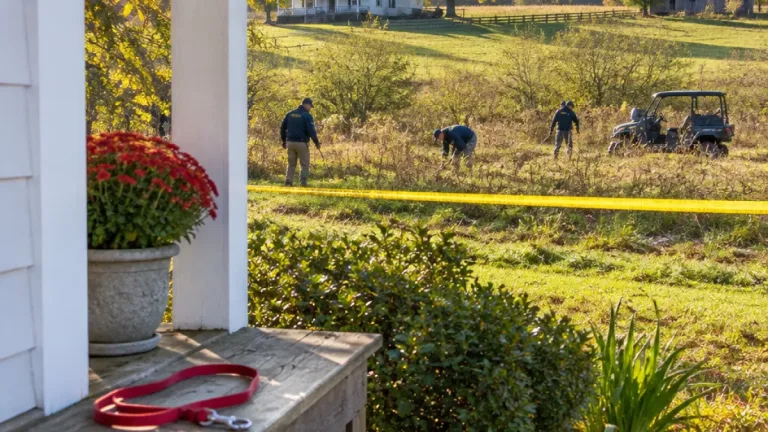
The damage was discovered on Nov. 2, when Justin Corey, the nonprofit’s director of field operations, went to inspect several staging areas used for off-roading. The visit followed a Halloween weekend marked by intense rain and high winds. Storms of that severity can sometimes push saguaros over or leave them leaning, making weather a possible initial explanation for what he found.
Instead, the condition of the plants pointed to deliberate destruction. Based on fresh cuts, Natural Restorations and Forest Service law enforcement believe the vandalism occurred on or around the night of Nov. 1. The nonprofit said the incident affected more than a dozen plants at one location and caused broader damage across the replanting sites.
A conservation project damaged
The affected saguaros were part of a project that began in the fall of 2020. Arizona conservationists had rescued the cactuses from a parking lot expansion and moved them into the national forest, where they were replanted. The effort also involved other desert species that were intended to remain part of the restored landscape.
Nicole Corey, executive director and co-founder of Natural Restorations, said the group had invested substantially in moving and reestablishing the plants. She described the destruction as especially painful because it targeted a project designed to preserve native vegetation rather than simply individual plants.
“We have so much invested in this replanting effort,” said Nicole Corey, the executive director and co-founder of Natural Restorations. “It’s just heartbreaking to see the loss.”
The nonprofit’s account identifies several forms of damage. Some cactuses were pulled from the ground. Others had their tops removed or were hacked with a large edged tool. Investigators also found bullet and BB-pellet holes, indicating that some of the plants had been used as targets or shot during the vandalism.
More than saguaros were affected
Saguaros made up the largest share of the reported losses, but they were not the only plants damaged. Natural Restorations reported the destruction of 12 saguaros, seven fishhook barrel cactuses and four hedgehog cactuses, along with several prickly pear and cholla plants.
| Plant type | Reported losses |
|---|---|
| Saguaros | 12 |
| Fishhook barrel cactuses | 7 |
| Hedgehog cactuses | 4 |
| Prickly pear and cholla | Several plants |
The tally underscores that the incident affected a broader desert habitat restoration project, not just a single iconic species. The source of the report did not identify a suspect, provide an estimated dollar value for the losses or say whether an arrest had been made.
Protected plants under Arizona law
In Arizona, saguaros are protected under the state’s native plant law. The law recognizes the plants as a keystone ecological species and as an important cultural symbol. Their protection means that damaging or removing them can carry consequences beyond the loss of property or landscaping.
The reported legal consequences can depend on the assessed value of the plant. According to the source, the offense may be classified as high as a Class 4 felony, with possible fines or imprisonment. Even a person seeking to move a saguaro on private property must obtain a permit, underscoring the restrictions surrounding the state’s signature cactus.
Saguaros also support desert wildlife. The plants provide food for birds, bats and insects, making their destruction relevant to the wider ecosystem as well as to the conservation group that moved and replanted them. The source did not provide a replacement plan or say how many of the damaged plants, if any, might survive.
Investigation follows discovery
Forest Service law enforcement is involved in assessing the damage and determining how the plants were destroyed. The evidence described by the nonprofit — including fresh cuts, uprooted plants and projectile holes — helped investigators narrow the likely timing to the night of Nov. 1 or the period immediately around it.
The case also highlights the vulnerability of restoration sites in areas used for off-roading. The damage occurred near staging areas in the Four Peaks area, but the available account does not say whether the vandalism was connected to off-road activity or identify anyone who witnessed it. Officials and Natural Restorations have not publicly identified a motive in the information provided.
For now, the nonprofit’s focus is documenting the losses from a project that began six years ago with the rescue of saguaros threatened by development. The incident has left more than 20 desert plants destroyed and renewed attention on the legal protections surrounding Arizona’s native cactuses.