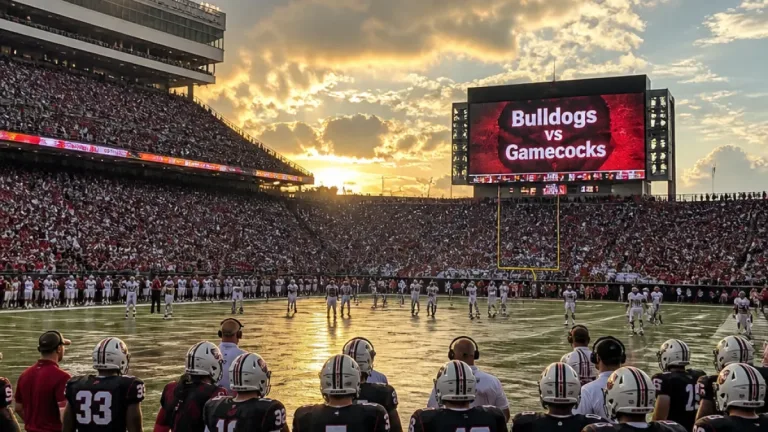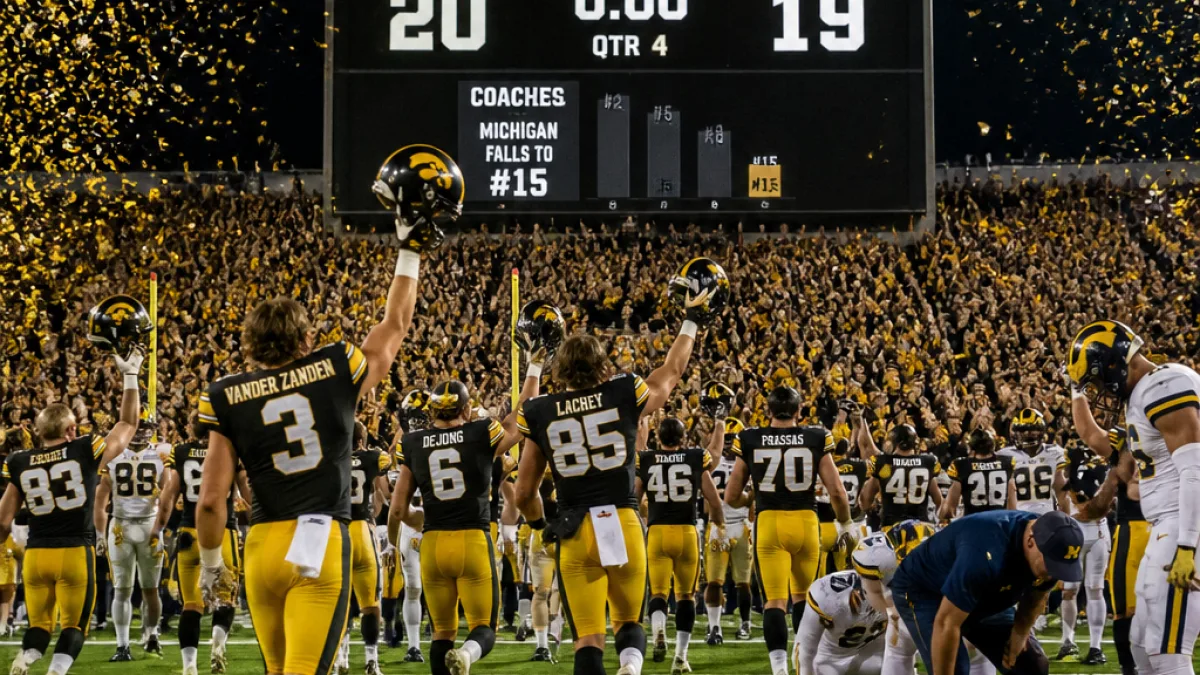
ANN ARBOR — In a defensive battle that stunned many in the crowd at Michigan Stadium, Indiana knocked off sixth-ranked Michigan by a 13-6 final score Saturday, handing the Wolverines their third loss in four games and creating fresh questions about Michigan’s offense.
Offense unable to finish despite field position
Michigan moved the ball into Indiana territory several times and reached the Hoosiers’ 20-yard line on four separate drives, but the visitors came away with just a single field goal and a touchdownless afternoon for the home offense. The Wolverines amassed only 212 total yards, including a meager 81 passing yards, as Indiana’s defense repeatedly tightened in scoring areas.
True freshman quarterback Tommy Carr made his first career start after replacing Bryce Underwood late in last week’s win over Penn State. Carr completed 20 of 32 throws for 167 yards and was flagged with one interception. The passing total accounted for the bulk of Michigan’s offensive production; the ground game, which had shown signs of life against Penn State, was stifled — the Wolverines combined for only 57 net rushing yards on 42 attempts.
Standouts on defense, concerns on offense
On the defensive side, Michigan did produce several high-grade performances despite the loss. Players singled out for strong play included Zeke Berry, Jyaire Hill and Chris Bracy, each contributing to a unit that limited Indiana’s passing and denied explosive plays throughout the afternoon. But defensive excellence could not compensate for repeated offensive breakdowns in the red zone and a lack of consistent rushing production.
PFF grades and snap counts highlight uneven play
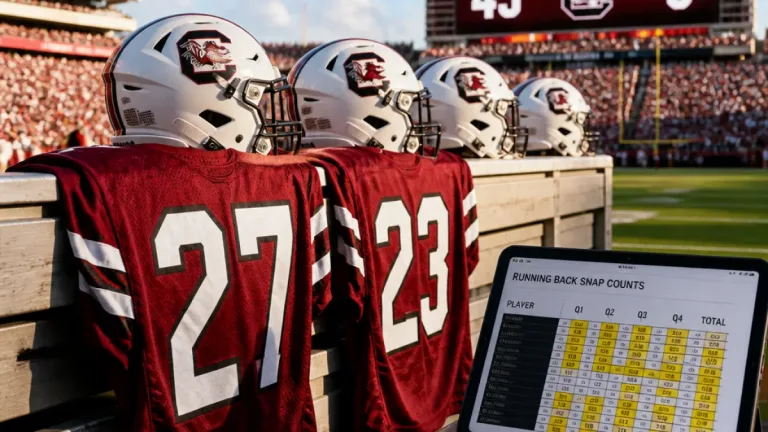
Pro Football Focus provided grades and snap-count breakdowns that underscored the uneven showing across Michigan’s offense. The highest-graded offensive player on the day was running back Channing Goodwin with a 70.1 overall grade, while the quarterback and several linemen posted middling to low marks.
| Player | Snaps | PFF Grade |
|---|---|---|
| Channing Goodwin | 20 | 70.1 |
| Jordan Marshall | 36 | 64.9 |
| Hogan Hansen | 31 | 61.9 |
| JJ Buchanan | 69 | 61.6 |
| Tommy Carr | 75 | 47.8 |
The full list of offensive snap counts and PFF grades shows a broad spread in performance, with several regular contributors receiving grades in the mid-50s. A number of linemen and skill-position players played significant snaps but struggled to post grades that translate into sustained offensive success.
Implications for Michigan
The defeat drops Michigan to 4-3 overall and 1-3 in Big Ten play, deepening a midseason slide that had already raised concerns among fans and analysts. For a team that began the season with high expectations, the inability to finish drives and establish a consistent rushing attack has become the defining problem through three conference games.
- Red zone struggles: Four trips inside the 20 yielded just six points.
- Rushing collapse: Only 57 net rushing yards on 42 attempts.
- Quarterback questions: Freshman starter Tommy Carr managed yardage but produced a sub-50 PFF grade and an interception.
What’s next
As the Big Ten schedule moves forward, Michigan faces a critical stretch in which offensive identity and play-calling will be under scrutiny. The Wolverines’ defense continues to show it can keep the team in games, but unless the offense finds ways to convert red-zone opportunities and re-establish a running game, the pressure will mount on the coaching staff and young quarterbacks through the remainder of conference play.
For Indiana, the victory serves as a signature road win and reinforces the Hoosiers’ status as a top-10 team capable of controlling games with defense and timely offense. For Michigan, Saturday’s result will likely prompt renewed evaluation and adjustments as the season heads into its next phase.