OPelika, Ala. — A defense contract announced this week that could total as much as $262 million will bring prototype artillery systems and a new testing presence to Alabama, Hanwha Defense USA said, signaling a potential boost to the region’s manufacturing and defense supply chain.
The Virginia-based company said the deal with the U.S. Army will supply prototype K9 Mobile Howitzers (K9MH) for the service’s new Mobile Tactical Cannon (MTC) program. The agreement calls for delivery of six prototype systems, with an option for an additional 12 systems.
Opelika to host U.S. integration and test facility
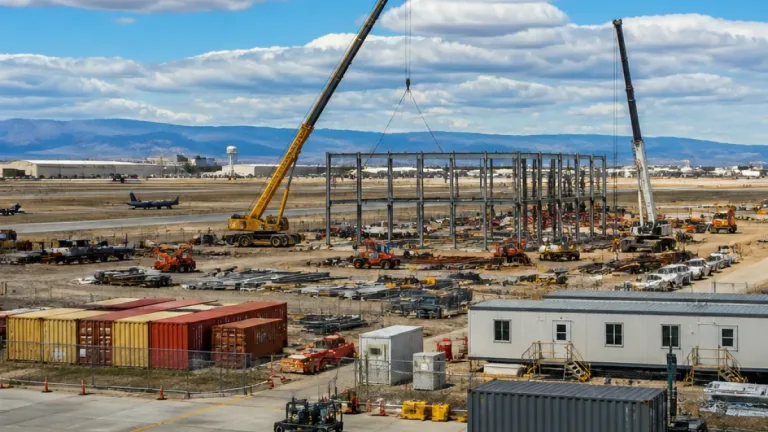
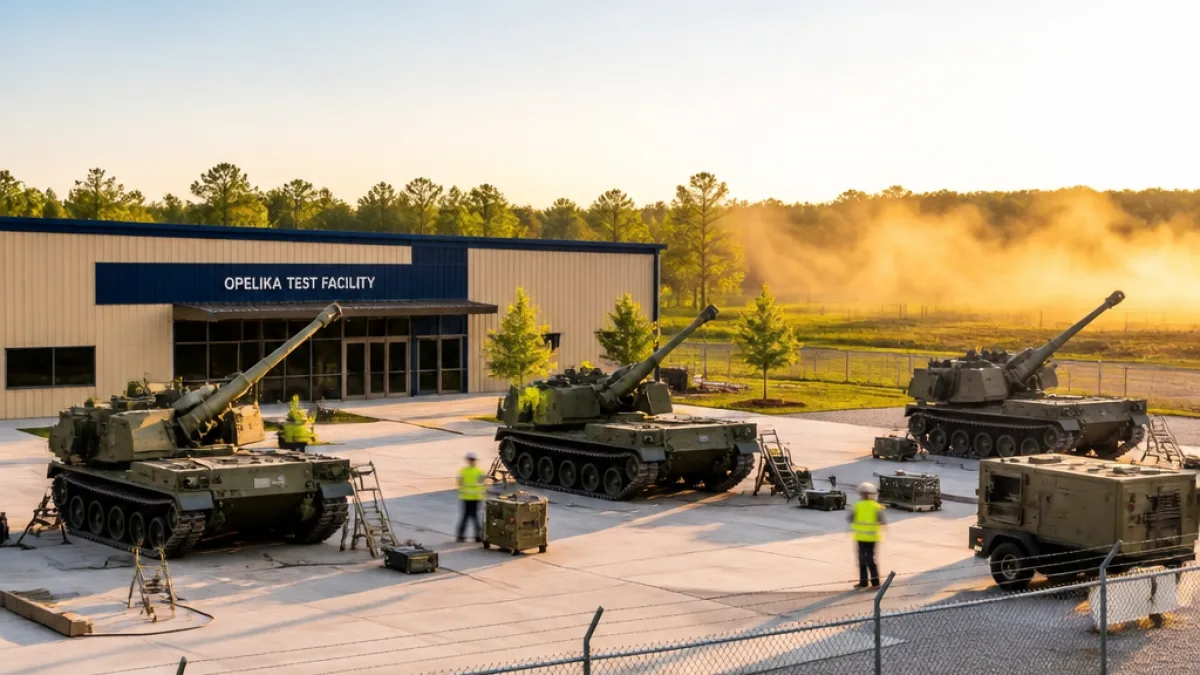
Hanwha Defense USA previously announced plans to establish a testing and integration site in Opelika, where it will build the initial phase of its U.S.-based support for the K9 family. The company said it will invest about $2 million to develop that facility and signed a three-year lease for the location.
Company leaders expect the Opelika site to serve as the U.S. integration and test facility for K9 Mobile Howitzers as part of an effort to localize the supply chain and production of the weapon systems. Hanwha said the project will create roughly 40 jobs in its first phase.
“We’re focused on creating a U.S.-anchored K9 Mobile Howitzer manufacturing network—with Opelika, Alabama, as the current phase I launch point—that can deliver advanced Mobile Tactical Cannons at the speed and scale the U.S. Army needs,”
The comment, from Jason Pak, Hanwha Defense USA head of land systems – artillery, underscores the company’s stated goal of expanding domestic capabilities around the K9 platform.
What the Army contract covers
According to Hanwha and the Army’s announcement, the agreement covers prototype deliveries for experimental and evaluation purposes under the Army’s MTC program. The Army described the effort as one that will generate "data and insights" to help senior leaders decide on future fielding options.
| Item | Details |
|---|---|
| Potential contract value | $262 million |
| Prototype systems to be delivered | 6 (option for 12 more) |
| Opelika investment | $2 million, 3-year lease |
| Expected jobs (phase one) | ~40 |
Local and regional implications
For Opelika and the surrounding area, the project represents a mix of short-term construction and operational roles tied to testing, along with potential longer-term employment and supplier opportunities if the Army proceeds to field larger numbers of the systems. The company framed Opelika as the first phase of a broader U.S.-anchored manufacturing network for its K9 howitzer family.
Local officials and business development partners typically view such defense investments as generators of secondary economic activity — from parts suppliers to logistics and professional services — though the extent of that effect will depend on how much production and sustainment work is retained on U.S. soil.
- Hanwha’s agreement is the company’s first major contract with the U.S. Army.
- The Opelika site is intended for integration and testing rather than full-scale manufacturing at this stage.
- Further expansion in Alabama could hinge on subsequent Army decisions informed by the prototype testing phase.
The company has emphasized that the experimental deliveries and the data collected during testing will influence senior Army decisions about future fielding, making the Opelika test facility a potentially important node in those evaluations.
As work proceeds in Opelika under the three-year lease, Hanwha will carry out integration and testing activities tied to the MTC prototype program. Local leaders and prospective suppliers will be watching to see whether the initial phase evolves into a larger, sustained presence that could broaden the region’s defense industrial base.
Reporting from Hanwha and the Army formed the basis of this account. Additional details about jobs, timelines and potential future investment in Alabama could be clarified as the program advances and the company or government releases further updates.