
Durham records major economic and civic returns from Blaze season
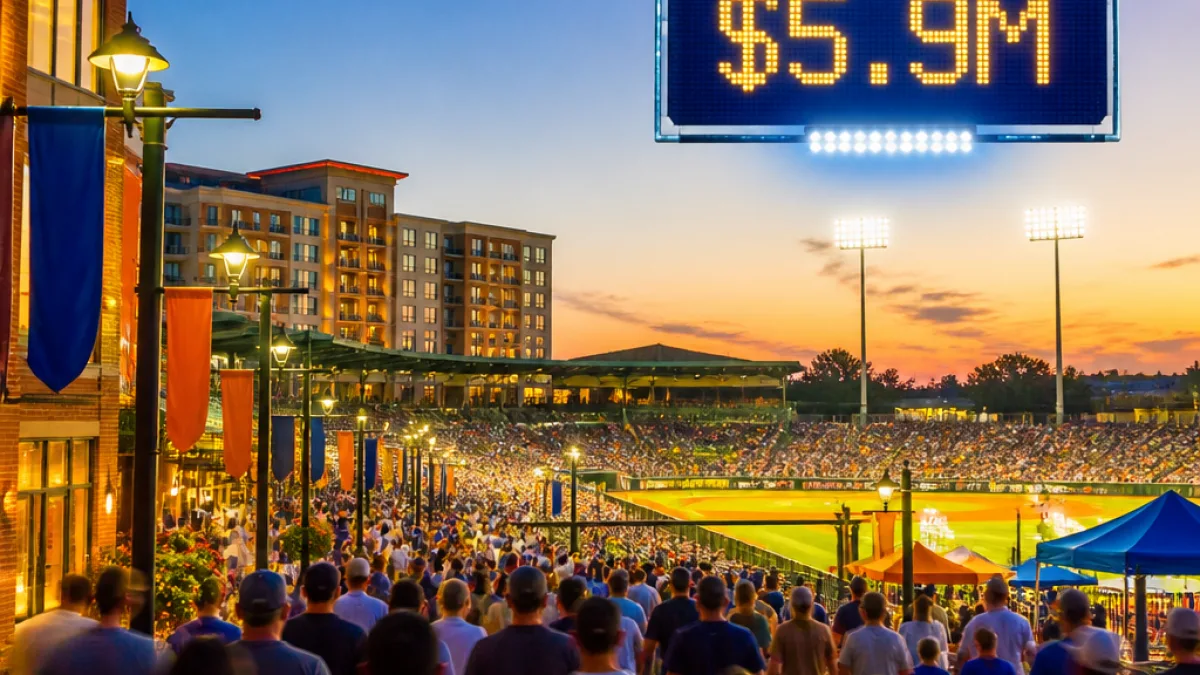
The Carolina Blaze’s debut season at Smith Family Stadium and Durham Bulls Athletic Park delivered more than on-field drama. City and tourism officials say the Athletes Unlimited Softball League franchise brought an estimated $5.9 million in economic impact to Durham and sparked a level of interest that stretched well beyond the region.
Durham Sports Commission Executive Director Marcus Manning provided the figures after the Blaze’s first season in North Carolina. Despite the team’s 9-16 record, the franchise sold 23,077 tickets for home games and generated 8,976 hotel room nights tied to the team’s presence. Manning said at least 42% of attendees stayed overnight, with visitors traveling from as far away as Oregon and California.
“I think we were anticipating having a great season… I didn’t anticipate that we would get 20 states and the District of Columbia. That is phenomenal.”
Manning told reporters the Durham Sports Commission did not set a specific financial target in advance; rather, it focused on maximizing revenue flow into the city. "We did that in a significant way," he said.
Attendance peaks at Bulls park, media reach amplifies impact
The Blaze’s signature series at Durham Bulls Athletic Park against the Utah Talons proved the most successful draw. More than 10,000 fans attended across the three-game series — an average of about 3,500 per contest — according to Manning.
Local officials also flagged the team’s ability to generate media attention. The season produced 1,655 articles and broadcast clips and an estimated reach indicated in the source material, underscoring the Blaze’s role in raising Durham’s profile as a destination for professional women's sports.
| Metric | Figure |
|---|---|
| Estimated economic impact | $5.9 million |
| Home-game tickets sold | 23,077 |
| Hotel room nights booked | 8,976 |
| Percentage of attendees who stayed overnight | 42% |
| Peak series attendance (3 games) | 10,000+ |
Community outreach and longer-term potential
Beyond ticket sales and hotel stays, Durham leaders emphasized the Blaze’s community engagement as a key element of the season’s success. The team held a softball clinic, partnered with the local library system and positioned games as family-friendly events — efforts Manning said could help build a sustainable fan base and broaden youth participation in the sport.
- Softball clinics for youth and local teams
- Partnerships with Durham Public Library for community events
- Family-oriented promotions and in-game activities
Those outreach efforts, combined with out-of-state visitors and strong media coverage, suggest officials see the Blaze as more than a single-season attraction. Manning said the Blaze’s presence could serve as a long-term, community-focused growth driver for Durham.
City leaders and the Durham Sports Commission will likely use this season’s data as they consider future events and partnerships. The combination of direct spending, overnight stays and increased visibility presents a template for how professional sports can deliver economic and social value for local economies, particularly when teams actively engage schools, youth programs and cultural institutions.
As Durham evaluates next steps, stakeholders from hospitality to parks and recreation will be watching whether the Blaze can convert this initial momentum into consistent attendance, repeat tourism and sustained youth participation in softball.
For now, Durham’s experience with the Carolina Blaze offers a case study in how a single-season sports franchise can ripple across hotels, restaurants, media coverage and community programs — even when the on-field record falls short of a winning mark.

















