A jury at Birmingham Crown Court has convicted a West Bromwich woman of assisting an offender and of preventing the lawful and decent burial of a body after she took part in attempts to conceal the killing of 36‑year‑old Chereiss Bailey.
The defendant, Hayley‑marie Ferguson, 42, admitted being at the centre of the clean‑up and disposal operation carried out with her father, John Anslow, after he murdered Ms Bailey at his bungalow in West Bromwich. Anslow was convicted of murder.
Timeline and actions set out at trial
Prosecutors said the killing took place on 27 September. Fergusson spent the following morning assisting with concealing the crime and moving the body before travelling to Coventry that evening. Court evidence placed key locations in and around West Bromwich and the Black Country.
- 27 September – Anslow murdered Chereiss Bailey at his bungalow in West Bromwich (trial evidence).
- 28 September – Ferguson helped her father with the initial clean‑up and the pair moved the victim’s body, according to the prosecution.
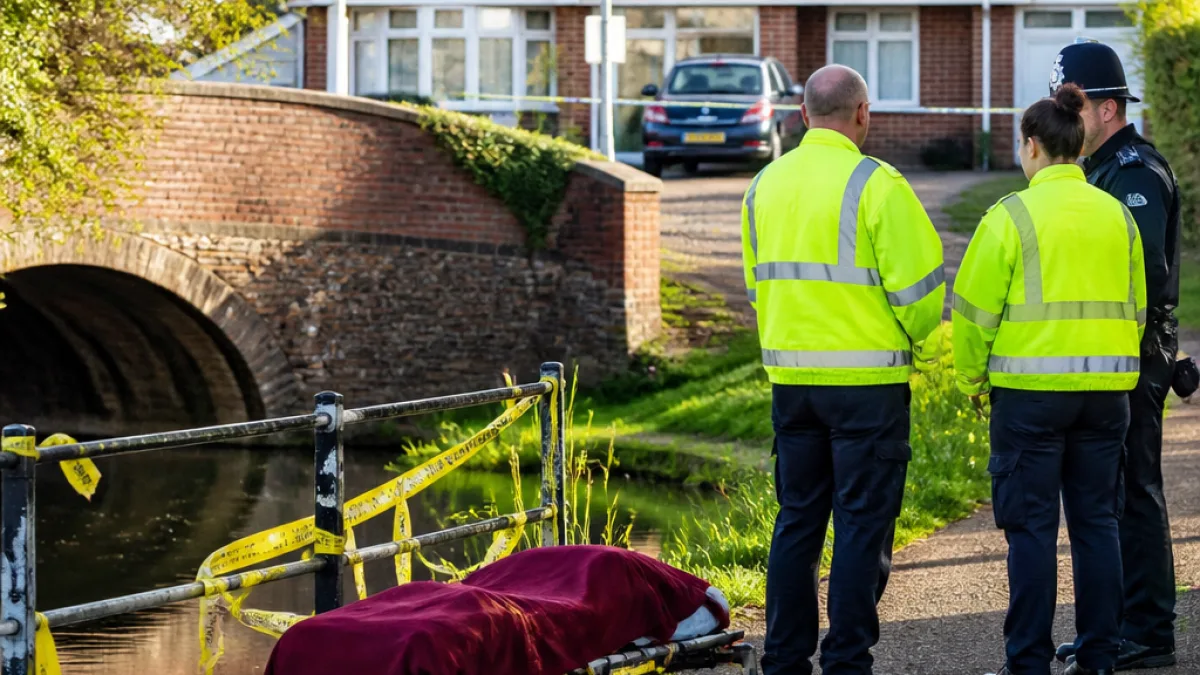
- Subsequently, the body was weighed down with paving slabs and discarded in the Walsall Canal near a spot known as ‘eight locks’ by Ryders Green Road.
- Later the same day, Ferguson travelled to Coventry and attended a Peaky Blinders‑themed night at the Planet Ice venue, where she posed for photographs and posted them on social media.
| Date | Action |
|---|---|
| 27 September | Murder at Anslow's bungalow (prosecution case) |
| 28 September | Assistance with concealment, body moved to canal |
| Days later | Tattoo inked; social media posts shared |
Court heard that Ferguson arrived by taxi carrying paving slabs from her own home on Heronville Road to assist with the initial tidy‑up after the killing. The prosecution said the two then placed Ms Bailey’s body into Anslow’s wheelchair before disposing of it at the canal.
She later posted photographs from the themed night and, days afterwards, had an elaborate Peaky Blinders tattoo inked on her back bearing the words "Family is power".
During the trial, Ferguson told the court she assisted her father because she feared he would kill her and her children if she did not co‑operate. The defence argued she acted under duress, while the prosecution challenged that account. The defence barrister described Ferguson as a "skilled liar" who had contrived emotion during the proceedings, according to reporting of the hearing.
Local consequences and community impact
The case has reverberated through the town. The apparent contrast between the defendant’s socialising after the incident and the graphic manner of disposal reported at court has drawn attention and unease locally. The use of domestic paving slabs and the public location of the disposal have raised questions about community safety, the detection of violent crime and the investigation process carried out by West Midlands Police.
Residents in areas named in the trial, including Heronville Road and the Ryders Green Road canal stretch, will be following sentencing proceedings closely; the court convicted Anslow of murder and found Ferguson guilty of assisting an offender and preventing lawful burial.
Sentencing dates and details of any witness impact statements were not reported in the material presented at trial coverage. The convictions, however, provide some closure about the fate of Ms Bailey and underline continuing concerns about violent offending in parts of the West Midlands.
Local authorities and police have previously urged anyone with information about crimes in the area to come forward; this case emphasises how neighbours’ knowledge and timely reporting can be crucial to investigations. The trial also highlights the serious legal consequences for those found to have helped cover up violent offences.