Community-led plan seeks nature-first approach to flood risk
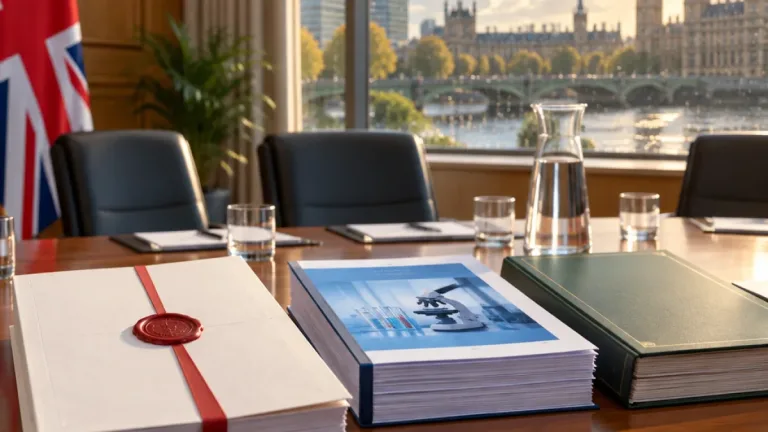
A new report setting out seven actions to reduce flooding in Lewes and strengthen resilience for residents and businesses has been published following a year of local events and consultation. The document, produced as part of the town’s 25th anniversary reflections on the October 2000 floods, draws on input from more than 1,200 people and a wide range of local partners.
The work was organised by Lewes Town Council with support from community groups and professionals across emergency planning, environmental and water management. Contributors included Friends of Lewes and the Lewes Climate Hub. The report groups its recommendations into five themes and prioritises nature-based solutions as a central plank of future flood management.
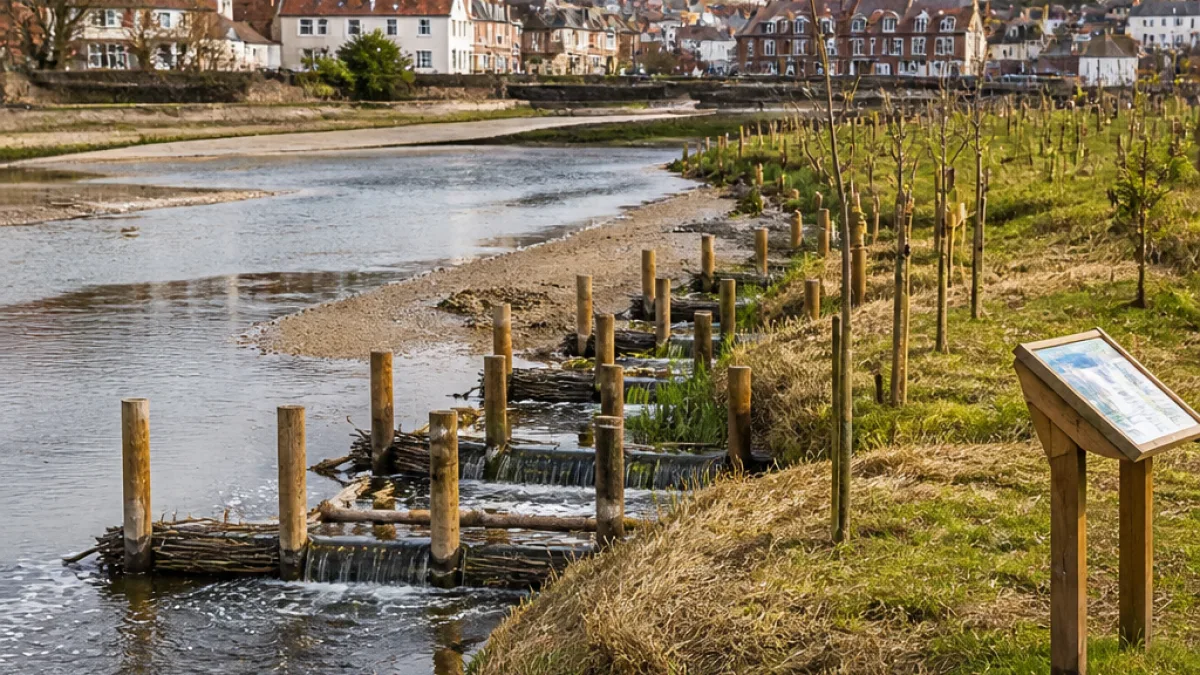
- Greater deployment of natural flood management measures such as leaky dams and wetland restoration
- A town-wide, coordinated campaign to tackle surface-water flooding
- Planning policy to permit only development on the floodplain that is fully flood-adaptable
Sussex has been experimenting with natural flood management for more than a decade, with local authorities including Lewes District Council previously funding measures such as leaky dams and wetland work. The report says those approaches should be expanded, reflecting views collected through events, surveys and an exhibition in 2025.
"The importance of the report is that it highlights actions to tackle flood risk that were proposed by local people – as well as by flood, emergency, and environmental professionals," said Juliet Oxborrow, who wrote the report and is a co-director of Lewes Climate Hub.
Local councillors involved in the 25th anniversary programme said the emphasis must be on community resilience. Dr Wendy Maples, the town council lead for the anniversary project, told organisers that what matters most is strengthening the ability of residents and businesses to respond when incidents happen.
How the recommendations were reached
The report distils the views of residents and specialists into seven recommended actions. More than a thousand people contributed ideas through public meetings, surveys and an exhibition organised by Friends of Lewes. That community-led approach is presented as a key strength of the document: many proposals come directly from people who live and work in the town.
Officials also point to the historical pattern of flooding in the area. The report notes a tendency for severe incidents to occur roughly every 30–40 years, a cadence that underlines the need for preparation now rather than later.
| Item | Detail |
|---|---|
| Contributors | More than 1,200 residents, businesses and professionals |
| Recommendations | Seven actions across five themes, emphasising nature-based solutions |
What this means for Lewes
For local people the report is both a reminder and a call to action. It urges councils, agencies and the community to coordinate more closely on surface-water and river management, and to prioritise schemes that work with the landscape rather than relying solely on hard engineering.
Planning is a particular concern: the report recommends limiting new development on the floodplain to projects that are demonstrably adaptable to flood conditions. That stance could influence future planning decisions and affect how homeowners and developers approach building in vulnerable parts of the town.
Local authorities in Sussex have trialled natural flood measures since around 2012. The report seeks to build on that experience, suggesting expansion of measures already paid for by district councils and embedding local knowledge into delivery. The aim is practical: reduce the chance of a repeat of the widespread disruption seen in 2000 and improve the town’s ability to cope when heavy rain overwhelms defences.
As Lewes continues to engage on the issue, the report provides a community-backed menu of actions designed to guide policy and investment. Next steps will depend on how councils and agencies respond to the recommendations and the pace at which nature-based and other schemes can be resourced and implemented.