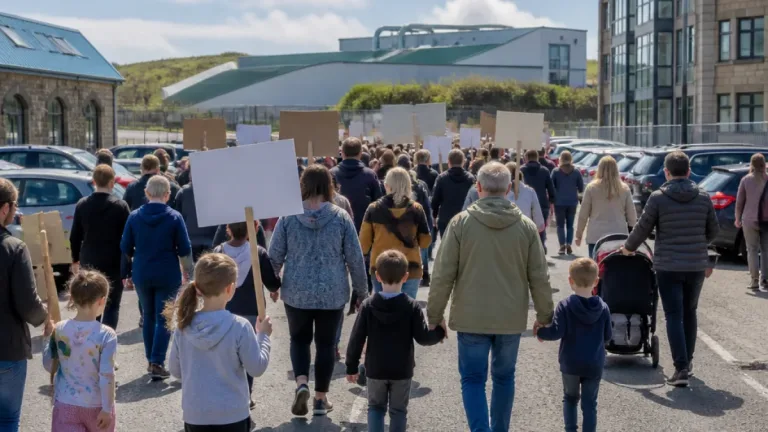

Debate over rail investment intensifies in Hull
Plans to introduce a new fleet of battery‑electric trains on routes serving Hull have been welcomed by rail operators and some local politicians, but the announcement has also provoked sharp criticism from former local representatives who say the scheme falls short of what the city needs.
TransPennine Express recently confirmed it will invest in a fleet of 29 battery‑electric trains, costing around £1bn, scheduled to enter service in 2034. The operator says the project will deliver more seats, better accessibility and lower emissions. The region’s elected mayor, Luke Campbell, and local MPs have publicly backed the move.
- Operator view: TransPennine Express describes the trains as transformational and improving capacity and accessibility.
- Government view: Department for Transport highlights reliability and emissions benefits.
- Local criticism: Campaigners and former councillors press for full electrification instead.
The scheme has nonetheless attracted a strong response from Lord Dave McCobb, a former Hull Liberal Democrat councillor, who argued the battery trains represented a short‑term, inadequate measure for Hull and East Yorkshire.
"Just one extra minute. Is that all the people of Hull and East Yorkshire are worth?"
Lord McCobb said a written response from the Rail Minister, Lord Hendy, indicated the new trains would reduce journey times by "up to a minute" between Hull and Leeds, and by about five to six minutes between Hull and Manchester. He said residents had long waited for improvements promised under regional devolution deals and that the modest time savings were insufficient given the scale of the investment and the length of time before introduction.
Those figures sit alongside broader national rail plans. Hull was not included in the government’s £45bn Northern Powerhouse Rail scheme announced earlier in the year, which focuses on electrification between Leeds, York and Sheffield. That omission is central to the frustrations expressed by some local politicians, who argue Hull has been overlooked for the most ambitious upgrades.
Political divisions and practical consequences
Not all local MPs agreed with Lord McCobb’s assessment. The Hull North and Cottingham Labour MP, Dame Diana Johnson, accused him of what she called "political point‑scoring", and emphasised the need for co‑operation across parties to secure improved northern infrastructure.
TransPennine Express has sought to cast the new fleet as a forward‑looking technological solution that will bring immediate benefits in terms of accessibility and environmental performance. Chris Jackson, the company’s managing director, said customers would see the advantages in capacity and level boarding, arguing the project placed the UK at the forefront of cleaner rail technology.
Passengers and businesses in Hull now face a choice between pushing for a more transformative upgrade — full electrification — and accepting a phased technological approach that promises incremental improvements but delays major gains until the mid‑2030s.
| Item | Detail |
|---|---|
| Number of new trains | 29 |
| Estimated cost | £1bn |
| Planned entry into service | 2034 |
| Reported journey‑time savings | Up to 1 minute (Hull–Leeds); 5–6 minutes (Hull–Manchester) |
For many commuters and freight users in Hull, travel time reductions of a single minute will do little to alter daily experience or economic links to Leeds and Manchester. Campaigners argue that full electrification could produce larger, more durable time savings and a more modern network better aligned with long‑term decarbonisation goals.
The disagreement highlights tensions over how best to deploy limited public and private funds across the north of England. While battery‑electric trains represent a step towards cleaner services, critics contend that incremental changes should not be used to justify abandoning broader ambitions to electrify key routes.
As plans progress, Hull representatives and community groups are likely to press ministers and rail operators for more detailed modelling of journey‑time benefits, a clear timetable for future upgrades, and assurances that accessibility and capacity gains will materialise for passengers in the city.