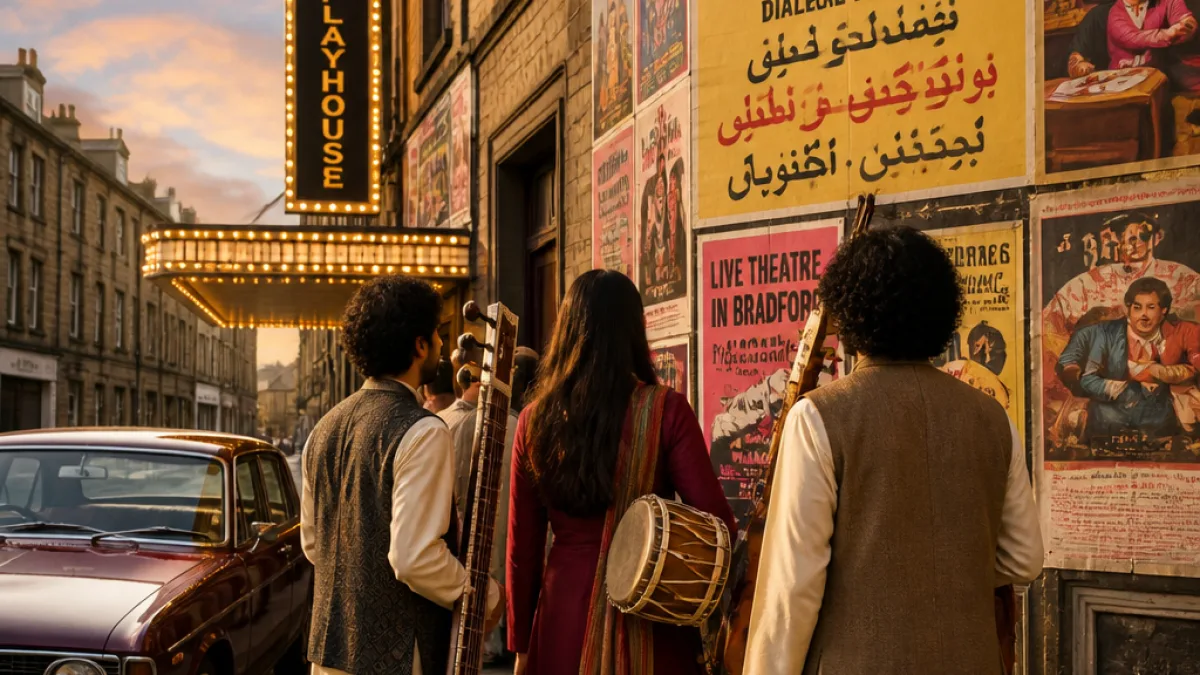
The Bradford Opera Festival is to present a reimagined production of Mozart’s The Marriage of Figaro that relocates the familiar comic opera to 1970s Bradford and fuses Western and Indian classical music traditions. The staging, adapted into a Yorkshire dialect and incorporating Punjabi and Urdu, is aimed at reflecting the city’s multicultural communities and the social questions the piece raises.
Local voices and south Asian musical traditions
The festival has assembled a mixed ensemble of Western and Indian classical musicians and will feature three south Asian opera singers: Oscar Castellino, Natasha Agarwal and Kanchana Jaishakar. Poet and broadcaster Ian McMillan has adapted the libretto into a Yorkshire dialect, while singer, poet and lyricist Kauser Mukhtar has translated sections of the arias into Punjabi and Urdu.
- Adaptation into Yorkshire dialect by Ian McMillan
- Translations into Punjabi and Urdu by Kauser Mukhtar
- Reorchestration for Western and Indian classical ensemble by Ben Crick
Ben Crick, the Yorkshire composer and conductor responsible for the reorchestration, has kept Mozart’s original score at the heart of the work while reworking instrumentation for the mixed ensemble. Crick has said the opera’s original themes of challenging class privilege made it well suited to a contemporary adaptation and that the production aims to reclaim the "radical spirit" of Figaro and present it to a new generation.
"Britain's cultural identity has always been shaped by the meeting of different traditions, stories and communities," said Alex Chisholm, artistic director of Bradford Opera Festival.
Setting, themes and local resonance
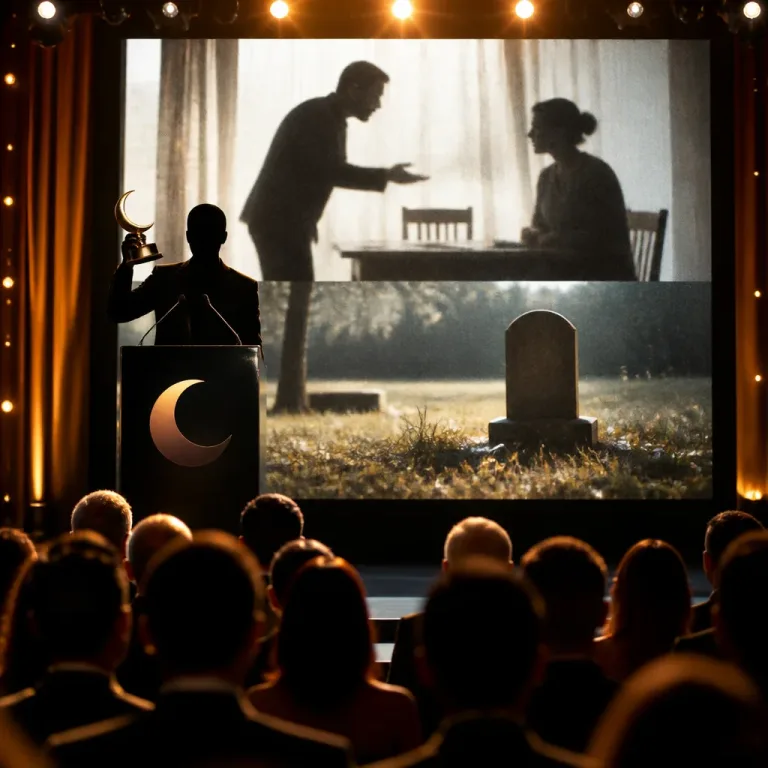
McMillan’s relocation places significant action — including the final act — in recognisably Yorkshire settings, with the last act set in an allotment. The production thus reframes the opera’s concerns about love, power and social hierarchy within a Bradford context, foregrounding questions of class and social change within Britain’s industrial and post-industrial communities.
Mukhtar has emphasised that blending Western and Indian classical idioms and introducing Punjabi and Urdu will help make the work more accessible to Bradford’s diverse audiences. The festival’s director, Alex Chisholm, has described the cast as reflecting the realities of Bradford both in the 1970s and today, arguing that the meeting of traditions is integral to Britain’s cultural identity.
Creative team and cast
The core creative personnel and performers identified for the production are drawn from both south Asian and British classical traditions. Details released by the festival include the following key contributors:
| Role | Name |
|---|---|
| Adaptation (Yorkshire dialect) | Ian McMillan |
| Translations (Punjabi and Urdu) | Kauser Mukhtar |
| Reorchestration / Conductor | Ben Crick |
| Director / Artistic Director (Bradford Opera Festival) | Alex Chisholm |
| Singers (south Asian) | Oscar Castellino, Natasha Agarwal, Kanchana Jaishakar |
Organisers stress that while the orchestration and text have been adapted, Mozart’s original score remains central to the production’s musical identity. The blend of musical languages is intended to maintain the opera’s musical integrity while expanding its sonic and linguistic reach.
Local impact and audience access
The production is likely to have particular resonance in Bradford, a city whose cultural life has long been shaped by south Asian communities and the interaction of different traditions. By incorporating Punjabi and Urdu and staging the work in a Yorkshire voice, festival organisers hope to broaden participation and invite audiences to reconsider familiar characters and themes through a local lens.
Beyond immediate cultural engagement, the staging also raises questions about how classical repertoire can be adapted to reflect contemporary Britain and be made accessible to audiences historically under-represented in opera houses. The festival’s approach illustrates one model for connecting canonical works to local histories and languages without discarding the original composer’s music.
Further details on performance dates, ticketing and the full cast list are expected from Bradford Opera Festival in due course.