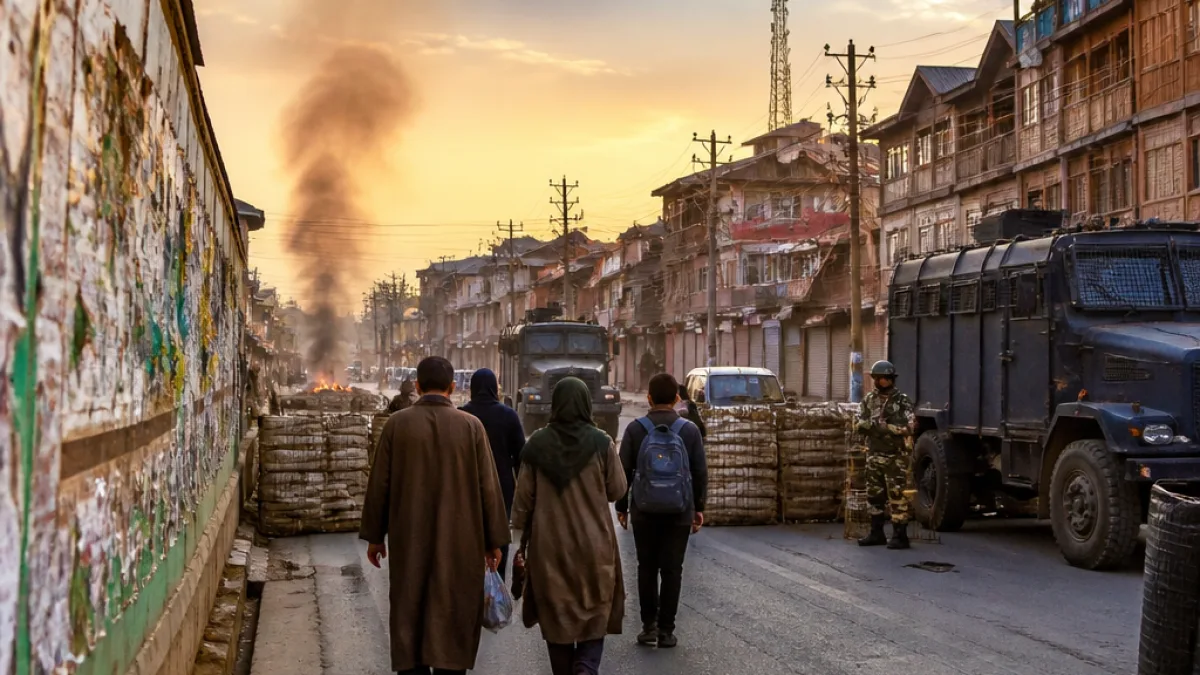
Fall in fatalities, persistent threat
Seven years after the Union government revoked Article 370 and reorganised Jammu and Kashmir, official indicators suggest a decline in terror-related fatalities and street violence in parts of the Kashmir Valley, yet militancy has not been eliminated, according to security analysts and a former intelligence chief.
While New Delhi has repeatedly argued that the constitutional changes of 5 August 2019 have weakened separatism, improved security and brought greater stability, independent analysts and former officials caution that the situation remains complex and contingent on multiple factors, including local sentiment and external influences.
Recent incidents expose vulnerabilities
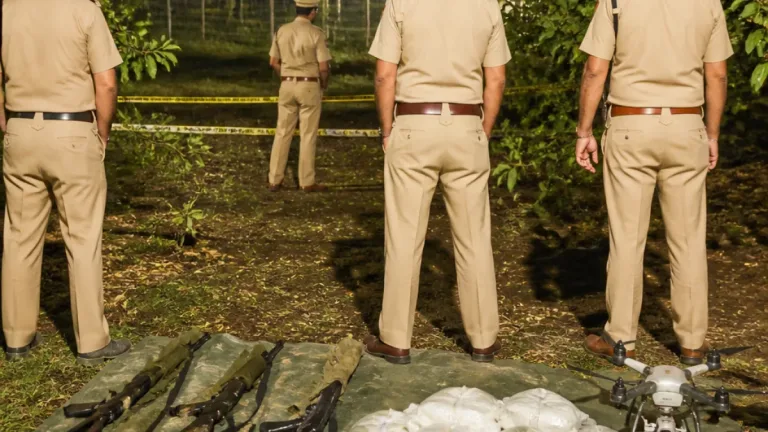
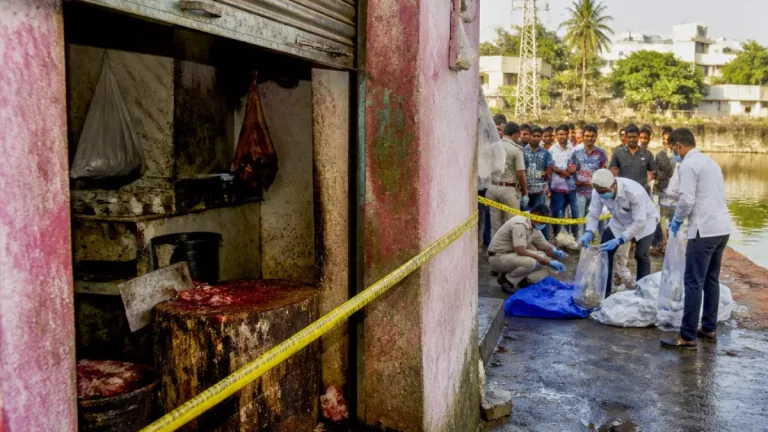
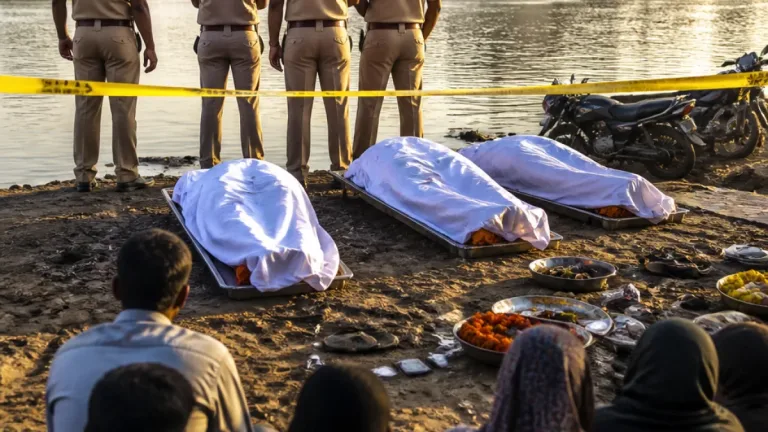
Security experts point to recent violence to underline that the threat persists. An attack targeting non-local labourers in the region came days ago and prompted large-scale security operations. Authorities detained around 2,500 people for questioning in the aftermath, a response that has drawn scrutiny from observers.
“When Delhi says that it’s normal, it’s not normal. Everybody knows it. The number of security forces deployed itself is an indication that it is not normal. But you can say it’s not out of control.”
The comment above was made by A.S. Dulat, former special director of the Research and Analysis Wing (R&AW), reflecting a view that while the situation may be managed, it cannot be described as entirely normal.
Analysts point to changing geography of violence
Multiple assessments referenced by recent reporting indicate a shifting pattern: incidents of militancy and attacks have increasingly been recorded in parts of the Jammu region rather than being concentrated solely in the Kashmir Valley. Observers warn that such geographic shifts complicate both intelligence priorities and local security measures.
Divergent interpretations of the post-2019 picture
The Union government attributes gains in stability to the constitutional changes of 2019, while critics and independent security analysts urge a more nuanced reading. They say improvements stem from a combination of enhanced counter-insurgency operations, intelligence work and other factors rather than any single policy action.
Praveen Donthi, senior analyst at the International Crisis Group, was quoted characterising the situation as fragile after two militant attacks within a short interval and the subsequent detentions, saying the incidents highlighted an unresolved conflict and a precarious status quo.
Practical implications for governance and security planning
Officials and analysts identify several practical challenges that flow from the current picture:
- Maintaining intelligence-driven counter-insurgency pressure while minimising civilian disruption.
- Addressing local grievances that can feed militancy without compromising security operations.
- Scaling law-and-order responses in areas where violence is shifting geographically, notably parts of Jammu.
Comparative views at a glance
| Perspective | Core claim |
|---|---|
| Union government | Abrogation of Article 370 has reduced separatism and improved security and stability. |
| Independent analysts / former officials | Security has improved in some metrics, but the situation remains fragile, influenced by multiple factors and subject to periodic flare-ups. |
Outlook and constraints
Observers say the outlook depends on several variables that are difficult to control: shifts in local political sentiment, recruitment and activity by militant groups, and external support or provocations. They underline that counting fatalities or single indicators alone does not capture the full security environment.
For residents and authorities alike, the current phase requires calibrated policing and intelligence work together with efforts to reduce alienation and strengthen civil governance, analysts add. The differing interpretations of recent trends reflect the continued sensitivity of the region’s security context even as headline casualty numbers have dropped compared with the pre-2019 period.
Reporting for this item referenced statements and assessments by a former R&AW official and international analysts as summarised in recent coverage of Jammu and Kashmir’s security situation.