
New Delhi: India and Japan have agreed to deepen collaboration in science and technology, with a particular focus on the healthcare and medical devices sector, after a high-level meeting in New Delhi on Wednesday, the Ministry of Science and Technology said in a statement.
Agreements signed, wider cooperation planned
The delegation from Japan, led by Minister for Science and Technology Onoda Kimi, met Minister of State for Science and Technology Jitendra Singh to discuss cooperation across multiple domains. The meeting culminated in the exchange of a Memorandum of Cooperation (MoC) specifically on health and medical devices and a Letter of Intent (LoI) on collaboration in quantum science and technology, the ministry said.
“India and Japan share a natural synergy in science and technology,” the statement quoted Dr Singh as saying, adding that the two countries can accelerate innovation in frontier areas and translate research into societal outcomes.
According to the ministry, both sides agreed to intensify engagement at a variety of levels, including researcher-to-researcher links, institutional partnerships and industry collaboration, to bolster joint research, co-development and industrial deployment.
Areas of focus and strategic context
The statement noted that India’s expanding national missions in areas such as Quantum Technologies, Cyber-Physical Systems, Electric Mobility, Clean Energy and Advanced Computing create new opportunities for joint work with international partners. Japan’s delegation, the ministry added, expressed appreciation for India’s rapid economic growth and broad adoption of artificial intelligence across sectors.
- Memorandum of Cooperation: Targets collaboration in health and medical devices, including research, development and industrial partnerships.
- Letter of Intent: Signals intent to cooperate in quantum science and technology, opening avenues for advanced computing and materials research relevant to health technologies.
- Modes of engagement: Researcher exchanges, institutional agreements and industry linkages were identified as priority mechanisms.
Implications for health innovation and industry
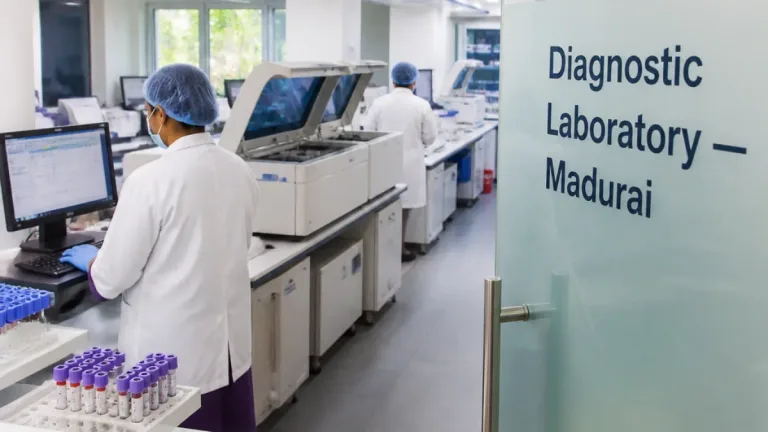
Experts and officials often view MoCs and LoIs as frameworks that enable more detailed project-level agreements, clinical trials, regulatory cooperation and technology transfer. For the health and medical devices sector, such cooperation can ease joint development of diagnostics, imaging systems, implantable devices and digital health solutions. Industry linkages could also help Indian manufacturers access Japanese know‑how on quality standards and regulatory compliance.
The ministry statement underscored the objective of translating research into "impactful societal outcomes", suggesting an emphasis on applications that can directly affect patient care, public health delivery and the domestic medical devices market.
Next steps and caution
While the MoC and LoI set a positive diplomatic and policy tone, detailed programmes, timelines, funding and regulatory arrangements will determine the pace and scale of tangible outcomes. Close coordination between research institutions, industry partners and regulatory bodies will be required to move from memorandum to measurable projects.
| Document | Focus |
|---|---|
| Memorandum of Cooperation (MoC) | Health and medical devices — research, co-development, industry partnerships |
| Letter of Intent (LoI) | Cooperation in Quantum Science and Technology |
The ministry said both sides will pursue intensified engagement at multiple levels. Observers note that early-stage outcomes may include collaborative research grants, joint workshops, scientist exchanges and pilot projects which, if successful, could scale to broader industrial partnerships.
Readers with health concerns should consult a qualified medical practitioner; information on international R&D cooperation and policy statements does not substitute for professional medical advice.
The ministry issued the summary of the meeting; further technical details and implementation plans were not disclosed in the statement.