New Brunswick's Education and Early Childhood Development minister is urging parents and guardians to prioritise regular school attendance, saying consistent presence in class supports both academic progress and broader childhood development.
Attendance tied to academic and social gains
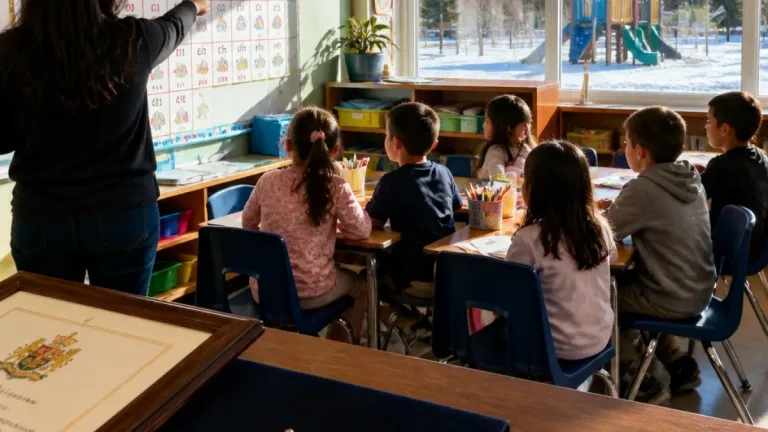
Education and Early Childhood Development Minister Claire Johnson emphasised that school provides more than classroom instruction: it is where children form friendships, learn responsibility and access supports that contribute to long-term success. "There are so many reasons to show up," she said.
The minister framed attendance as a foundation for stability and positive habits, noting that showing up daily helps students be "fed, supported and ready to learn" at the start of the school year.
Practical steps for families
The provincial advice encourages families to identify and remove barriers to getting children to school. Suggested steps include establishing consistent morning routines, preparing school items the night before, keeping communication open with teachers, and ensuring children attend even if they arrive late.
- Set a regular bedtime and morning routine.
- Pack lunches and lay out uniforms or clothes the night before.
- Talk regularly with classroom teachers about attendance concerns.
- Contact school resource staff if anxiety or other challenges affect attendance.
For students coping with anxiety or other difficulties that interfere with attendance, the minister said families should reach out to teachers or resource teachers. School personnel can work with families to access supports and tailor plans that help students attend more regularly.
Programs aimed at reducing chronic absenteeism
The province outlined a series of initiatives intended to make it easier for students to be present and engaged.
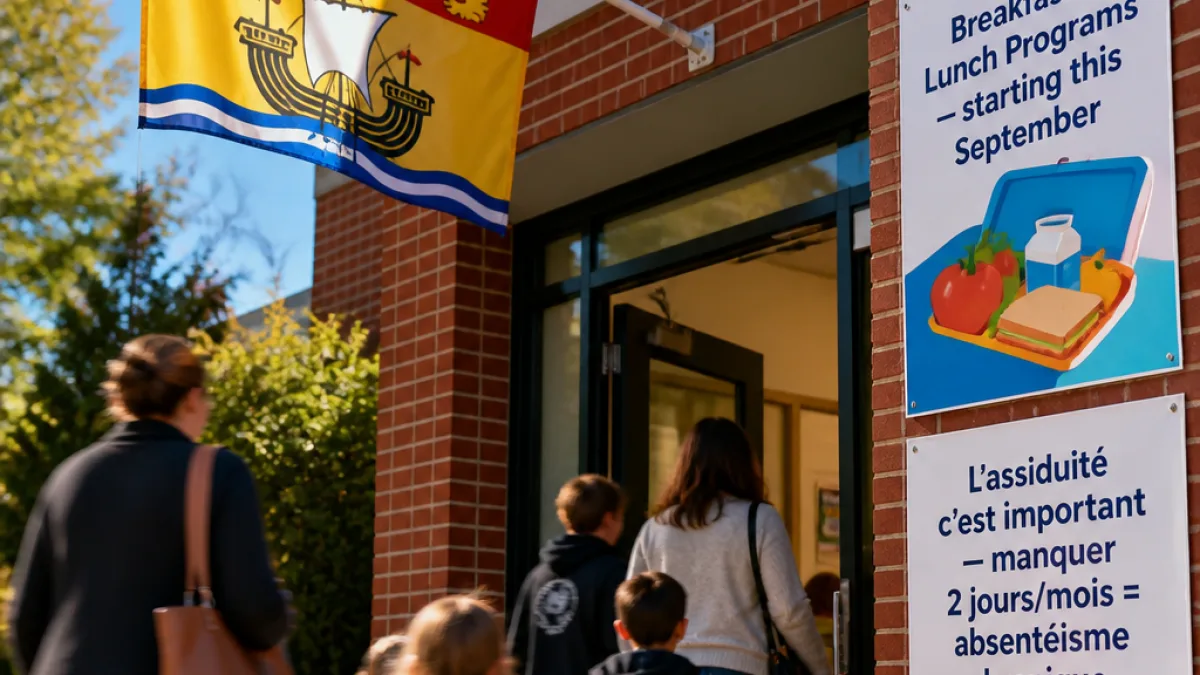
- Universal breakfast program: provincewide expansion scheduled for September 2025.
- School lunch program: launching this September to provide affordable meals across New Brunswick.
- Classroom supports: additional resources aimed at helping students stay on track academically.
These measures are being promoted as part of a broader strategy to address what education officials classify as chronic absenteeism.
| Metric | Definition / impact |
|---|---|
| Missing two days per month | Considered chronic absenteeism — about 10% of instructional time, roughly equal to four weeks of missed school in a year. |
Research cited by the department indicates that losing instructional time at that level can have measurable consequences for a child's learning trajectory.
School staff role and supports
Teachers and school staff are identified as front-line partners in addressing attendance issues. They can connect families with local resources, help develop individual plans for students, and coordinate supports where health, social or economic factors are involved.
The government has also pointed families to online tips and resources intended to help prevent and reduce absences, though details on the full scope of supports were not enumerated in the announcement.
What parents should know going into the school year
The timing of the reminder coincides with program rollouts aimed at ensuring students begin each day with access to nutritious food and added classroom resources. Officials say these efforts are intended to reduce barriers to attendance and improve readiness to learn.
Parents and guardians concerned about a child's attendance are encouraged to speak with school staff early, so supports can be arranged and tailored to each student's needs.
"There are so many reasons to show up,"
— Education and Early Childhood Development Minister Claire Johnson
The message underscores a broader provincial push to ensure students receive consistent instruction and the supports necessary for both academic and social development.