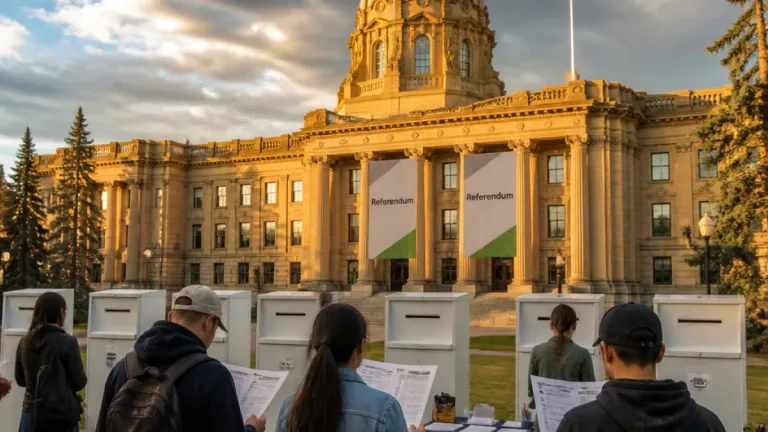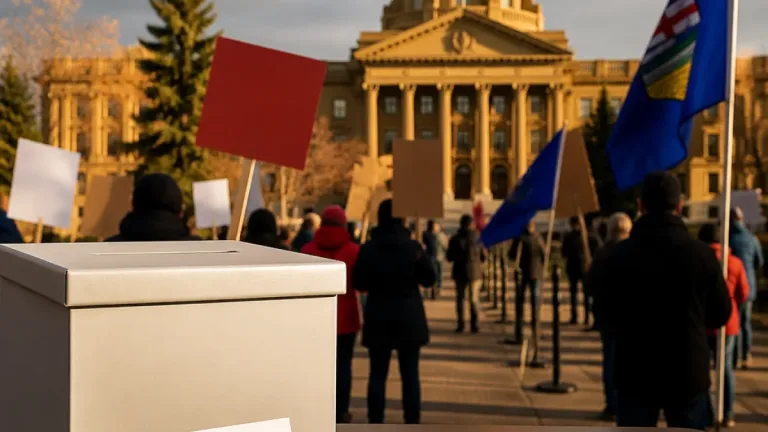
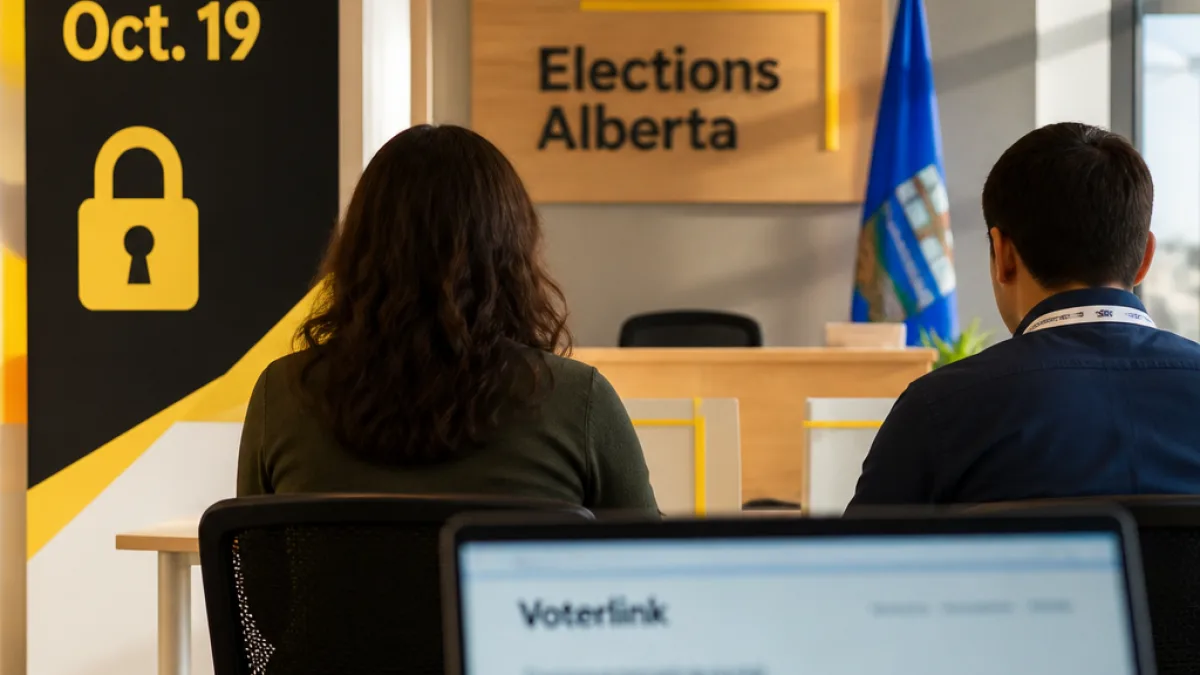
EDMONTON — Elections Alberta has finished an unofficial hand count of ballots cast in the province-wide referendum held Oct. 19, declaring the tally complete late last weekend after what the agency says was the most ballots ever submitted in a Canadian electoral event.
The agency said it counted more than 20 million ballots in the vote, and that the unofficial results show a complex picture: questions about immigration regulation drew a narrow majority in favour, constitutional questions about shifting powers to the provinces were rejected by slim margins, and the most hotly contested question — whether Alberta should stay in Canada — attracted nearly 75 per cent support for remaining.
"The unofficial count was confirmed as complete at 9:14 p.m., October 24, 2026," the agency said.
Record turnout and a tight tally
The sheer scale of the count is notable. Elections Alberta’s unofficial figure of more than 20 million ballots would surpass turnouts in previous high-profile federal and provincial votes. Officials completed the hand count three days after the initial 48-hour deadline, a timeline that reflects both the logistical challenge of processing unusually high volumes and the care being taken ahead of the official declaration.
Results released so far indicate that questions asking whether the province should exercise greater control over newcomers and immigration policy were carried by a narrow margin. By contrast, constitutional questions — including one that sought public approval for Alberta to enter talks with other provinces about reclaiming federal powers — were answered with a slim majority of "no" votes.
Separation question decisively answered
The referendum's separation question appears to have been resolved clearly. Nearly 75 per cent of respondents favoured staying in Canada, making it the most decisive outcome of the 10 items on the ballot. That result is likely to be read by governments and political actors across the country as a strong expression of constitutional preference among Albertans, at least on that specific question.
What comes next
Elections Alberta said official results will be released on Thursday. Until then, the unofficial hand count stands as the best available picture of how Albertans voted. The narrow margins on several questions mean that even small adjustments or validated absences could be politically meaningful once final numbers are certified.
- Completed unofficial hand count: 9:14 p.m., Oct. 24, 2026.
- Ballots counted: more than 20 million (unofficial).
- Separation question: nearly 75 per cent supported remaining in Canada.
- Immigration questions: majority "yes," margins tight.
- Constitutional questions: majority "no," slim margins.
Local and provincial implications
The mixed outcomes highlight competing currents in Alberta politics. Strong support for staying in Canada reduces the likelihood of any immediate push toward separation, but the narrow support for immigration measures and the rejection of taking provincial-federal powers to negotiation suggest a complex electorate: one that is cautious about constitutional confrontation but supportive of policy shifts at the provincial level.
Policy-makers in Edmonton and Ottawa will be scanning the official numbers for clarity on mandate and public appetite. For provincial leaders, the results present both opportunity and constraint: there is a clear signal on some policy preferences but not the sort of overwhelming mandate that would allow sweeping unilateral moves without consultation or further legislative work.
What voters should know
Until Elections Alberta issues the official certified results on Thursday, these figures remain unofficial. Voters who followed the referendum closely should expect:
- an official results announcement and certified tallies from Elections Alberta;
- possible minor adjustments following validation of ballots and processes;
- political responses and analysis from provincial parties and federal officials once results are formalized.
Given the narrow margins on several questions, even small changes in the certified counts could shape the political narrative that follows. For now, the unofficial hand count marks the end of the province’s immediate logistical effort to record an unprecedented voter engagement and begins the next phase: formal certification and political reaction.