
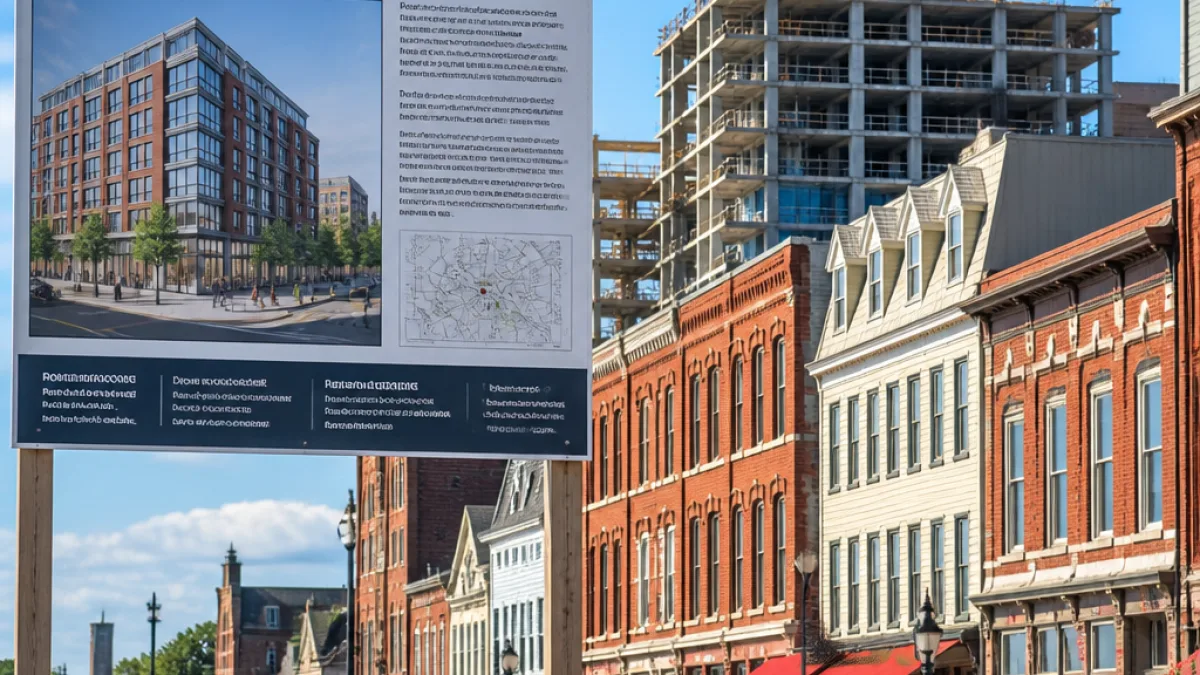
A locally published commentary argues Charlottetown’s history and charm have been largely preserved by the current city council even as development pressures mount — notably, a federal emphasis on higher housing density that some fear threatens the character that draws residents and visitors alike.
Local writer counters criticism of council
In a piece published recently in a regional outlet, columnist Kirsten Connor offers an unusual defence of the municipal council, responding to an earlier opinion that the city “cannot afford more of the same.” Connor says the city’s past and aesthetic have been enjoyed and “somewhat maintained,” and that these qualities have been a reliable source of tourism income.
The commentary notes a broader policy context. Connor points to a federal call for increased density as a contributing factor in development decisions, suggesting external mandates complicate the city’s ability to balance growth with heritage preservation.
“...a federal government cry for 'density,'”
The piece acknowledges the author’s own history as a critic of council but nonetheless expresses gratitude for the work councillors have done in protecting elements of Charlottetown’s identity.
What the discussion means for residents
For Charlottetown residents, the exchange underscores ongoing tensions between preserving the city’s historic built environment and accommodating housing and infrastructure needs. The commentary frames council’s record as deserving of some recognition, while implicitly accepting that challenges remain.
- Heritage and tourism: The commentary credits the city’s history and charm with drawing tourism income.
- Development pressure: A federal push for higher density is identified as a major influence on local planning.
- Community debate: The exchange between columnists illustrates a broader public conversation about priorities for growth and conservation.
Context and consequences
Charlottetown’s built heritage contributes to the city’s identity and its economy through tourism. Any perceived erosion of that heritage can trigger strong public reaction, affecting municipal politics and planning decisions. At the same time, calls for higher density — coming from federal policy and broader housing debates — put municipal councillors in a difficult position: how to meet housing targets or provincial/federal expectations while responding to local concerns about scale, design and character.
| Issue | Implication for Charlottetown |
|---|---|
| Heritage preservation | Supports tourism and local identity; requires careful planning and resources |
| Federal density push | Creates pressure for more compact development that may change neighbourhood character |
The column that prompted this response remains behind a subscription wall for the regional outlet, highlighting how local discourse about land use and city stewardship often plays out in paid comment pages as well as public meetings and council chambers.
As Charlottetown continues to grow and evolve, conversations like this are likely to recur: residents and commentators will question whether elected representatives are striking the right balance between accommodating new housing and protecting the special qualities that make the city distinct. The recent commentary asks Islanders to recognise where council has succeeded while remaining alert to the forces that complicate municipal decision-making.
For citizens, the takeaway is twofold: engage in public planning discussions and track how higher-level policies — federal or provincial — shape local choices. Those conversations will continue to influence what Charlottetown looks and feels like for years to come.