ELMORE — Loved ones of people behind bars, advocacy groups and researchers are sounding alarms about heat in Alabama’s prison system, saying many facilities lack sufficient cooling and that rising temperatures are creating dangerous, sometimes life‑threatening conditions for incarcerated people.
Reports of dizziness, IVs and sleepless nights
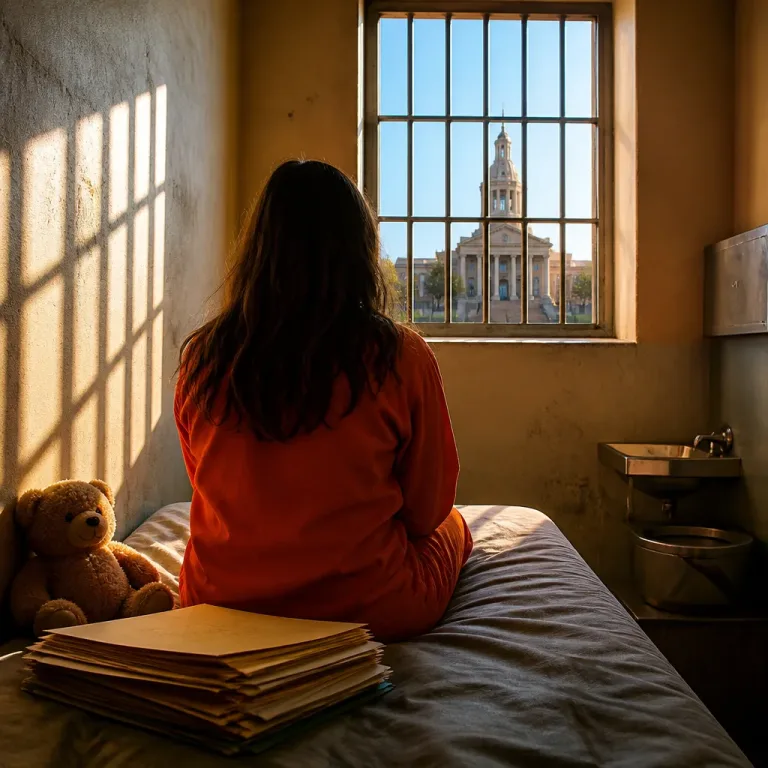
Tiffany Montellano said she has not slept well since her husband, who is incarcerated at Elmore Correctional Facility, missed their usual nightly call and later told her he became dizzy from the heat in his dorm. The facility’s dormitory houses roughly 200 men, she said, and it is not fully air‑conditioned.
"He said the room wouldn't stop spinning, and they had to hook him up to an IV," Montellano said.
Montellano is one of many relatives describing intolerable conditions inside prisons across Alabama as the region experiences more frequent record‑breaking heat. Those accounts have drawn scrutiny from the legal community and nonprofit groups that monitor conditions in correctional settings.
No universal air conditioning at major prisons
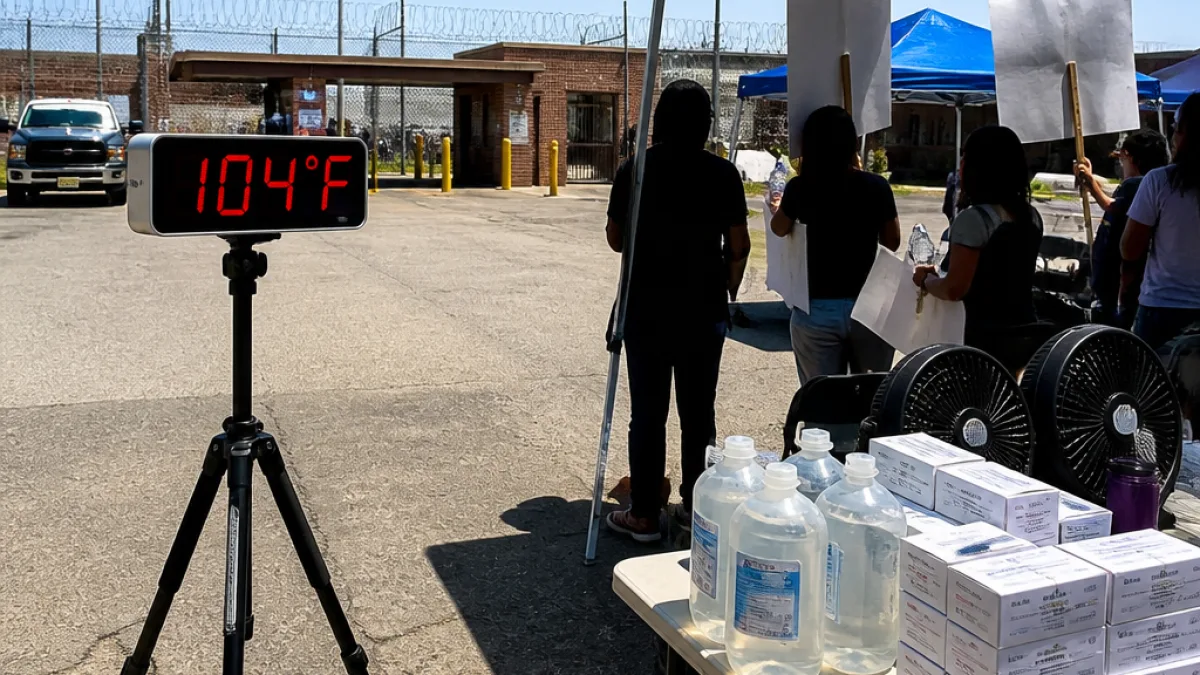
According to a researcher with the Alabama Appleseed Center for Law and Justice, none of the state’s 14 major correctional facilities offer universal air conditioning. That finding is striking at a time when climate trends have increased the intensity and duration of heat waves across the South.
"Housing humans like this in the extreme heat in Alabama and across the South: It's torture for people," said Eddie Burkhalter, a researcher for Alabama Appleseed.
The Alabama Department of Corrections did not respond to requests for comment for this report.
Legal context and system pressures
Federal scrutiny of Alabama’s prisons has been ongoing. In 2022, the U.S. Department of Justice found conditions in Alabama prisons unconstitutional. Courts subsequently ordered the state to take steps to improve staffing, mental health care and other operational deficiencies.
Those rulings come against a backdrop of overcrowding: the system operates well above intended capacity. State officials are pursuing construction of a new 4,000‑bed facility, the Governor Kay Ivey Correctional Complex, funded in part with COVID relief dollars. Still, roughly 27,000 people remain incarcerated in Alabama, and many continue to live in facilities without comprehensive cooling.
| Measure | Figure |
|---|---|
| Major correctional facilities without universal AC | 14 |
| Approximate incarcerated population | 27,000 |
| Planned new prison capacity | 4,000 beds |
| Reported operating capacity level | ~160% |
Health impacts and research
Health experts and researchers warn that prolonged exposure to high indoor temperatures can trigger heat exhaustion, heat stroke and other acute medical events, especially in confined settings where vulnerable people have limited ability to cool themselves. A national study cited by advocates examined prison data from 2001 to 2019 and found measurable impacts of extreme heat on incarcerated populations.
Montellano and other family members described scenes of people being treated with IV fluids after near fainting spells and of guards trying to manage crowded dormitories where temperatures soar. Those personal accounts add to evidence from nonprofits and court filings that conditions remain dire in some parts of the system.
Advocacy and practical concerns
Groups such as Alabama Appleseed say addressing heat is not just a matter of comfort but of basic human safety and constitutional standards. They contend that without broader mitigation measures—like comprehensive cooling, emergency protocols and better monitoring—heat will continue to cause harm, particularly to older people and those with chronic medical conditions.
- Families report dizziness, fainting and IV treatment for heat‑related illness.
- None of the state’s 14 major prisons have universal air conditioning, per advocacy research.
- Federal courts have ordered reforms after finding unconstitutional conditions in recent years.
As Alabama moves forward with building additional capacity, advocates say the state must also prioritize humane climate adaptations in existing facilities. Without reliable cooling and improved emergency response, families and legal advocates warn that heat will remain a public‑health and legal liability for the correctional system.
State officials have not publicly outlined a comprehensive plan to retrofit older facilities with air conditioning or other long‑term heat mitigation measures. For families like Montellano’s, each heat wave renews fears for loved ones who cannot escape sweltering conditions behind prison walls.
Reporting for this story relied on interviews with family members, public interest researchers and previously published findings from federal reviews and academic studies of heat in correctional settings.