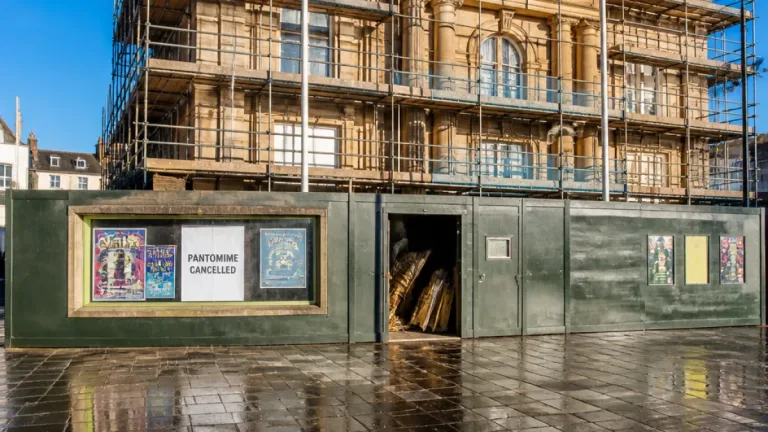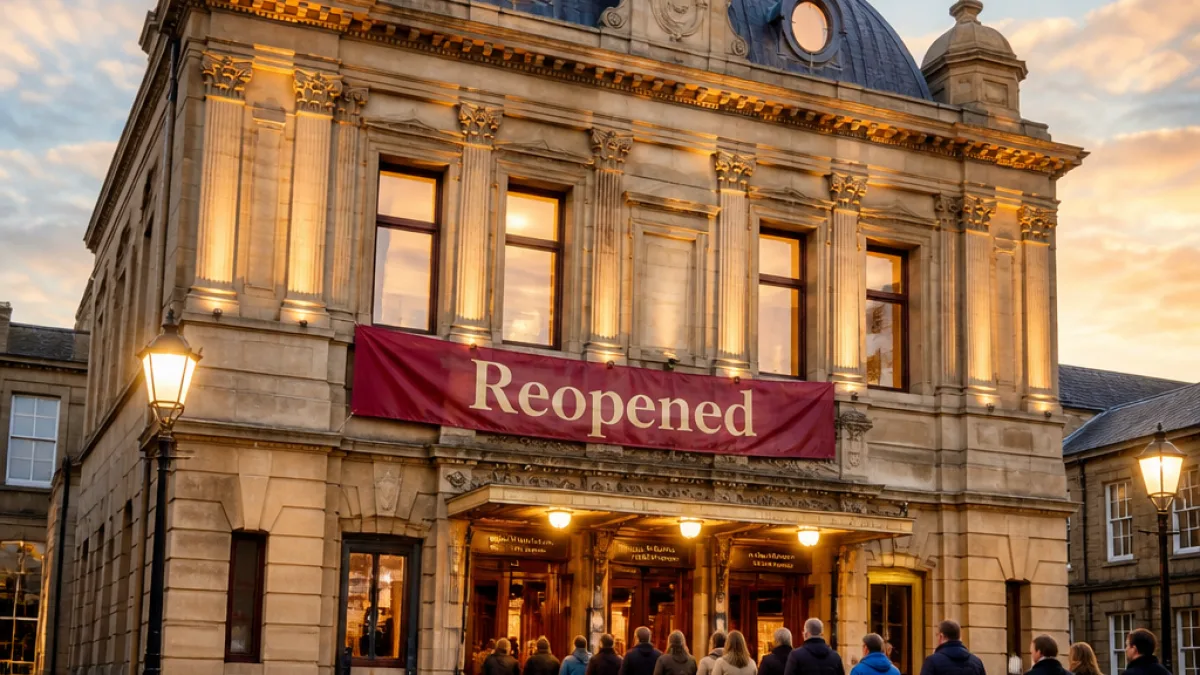
Blackburn has taken back one of its landmark buildings. King George's Hall, the city centre venue that decades ago hosted acts including The Beatles, Queen and David Bowie, has reopened after a £13.5m refurbishment aimed at securing its future as a community and cultural hub.
Work on the building and what it means for the city
The project has focused on both conservation and modernisation. Major works included a full replacement of the hall's roof and new windows. Inside, the venue now has extended bars, new seating and improved toilet facilities. Technical upgrades to sound and lighting systems were also completed to help attract contemporary touring shows and to improve the experience for local events.
| Work completed | Intended benefit |
|---|---|
| Roof replacement | Secure building fabric and prevent water damage |
| New windows | Improved insulation and appearance |
| Extended bars and new seating | Better customer flow, comfort and capacity for events |
| Upgraded bathrooms | Enhanced accessibility and hygiene |
| Sound and lighting overhaul | Attract modern productions and improve show quality |
That mix of conservation and practical improvement reflects the council's stated aim to keep the building in active use. Richard Brown of Blackburn with Darwen Council described the hall as "the heart" of culture in the borough and said it "punches above its weight" — language that underlines both pride in the venue's history and expectations for its future role.
Programme, reopening nights and civic celebration
The first official night following the refurbishment is already sold out: a headline gig from the band known as The K's. A full civic reopening is planned for October, when the Halle Orchestra will perform. The orchestra's involvement carries resonance — they played at the original opening of the hall in 1921 — and ties the centennial venue back to its roots.
- First post‑refurbishment headline: The K's (sold out)
- Civic grand reopening: October concert with the Halle Orchestra
- Improvements aimed at both touring shows and community use
"It's a real asset that the community use and love, and we are preserving this building to make sure that they can carry on doing that," Richard Brown said.
The hall's reopening is not simply about attracting big names. Council messaging stresses the building's everyday role for local groups, school performances and community events. The investment, therefore, is cast as preserving a civic asset as much as upgrading a theatre for professional touring productions.
For Blackburn residents, the immediate benefits are tangible: a restored, weather‑tight public building with better facilities, more comfortable seating and bars that can cope with larger audiences. For the local cultural sector the improvements to sound and lighting are important, because they widen the types of productions the hall can host and make Blackburn a more attractive stop on national tours.
There will be questions in the weeks ahead about programming, ticket prices and how the council and venue managers balance commercial bookings with community access. But for now the mood in the city is one of guarded optimism: a well‑known building has been rescued and readied to serve another generation.
Work on historic civic venues like King George's Hall often prompts fresh debate about priorities, funding and long‑term upkeep. The council's sizeable investment indicates a commitment to maintain the hall as a piece of Blackburn's cultural infrastructure — a recognition that these venues matter to a city's identity, its night‑time economy and to the local groups who rely on them.
As the first audiences return, Blackburn will see whether the refurbished hall can again become a stage not just for headline acts but for the community that has long claimed it as its own.