New layered phone scam targets Hamilton seniors, police say
Hamilton police are cautioning residents after multiple reports over the past week of a sophisticated phone scam aimed at seniors that ends with a courier collecting bank cards and PINs.
According to police, the fraud unfolds in stages. First, an initial call arrives claiming to be from a phone or internet provider and offers the recipient a discount they have supposedly earned. That call is used to build trust and confirm personal details. A short time later, a second caller impersonates a bank representative, telling the victim their account has been compromised and urging immediate action.
Police warn: "Never share your PIN, passwords or banking information over the phone."
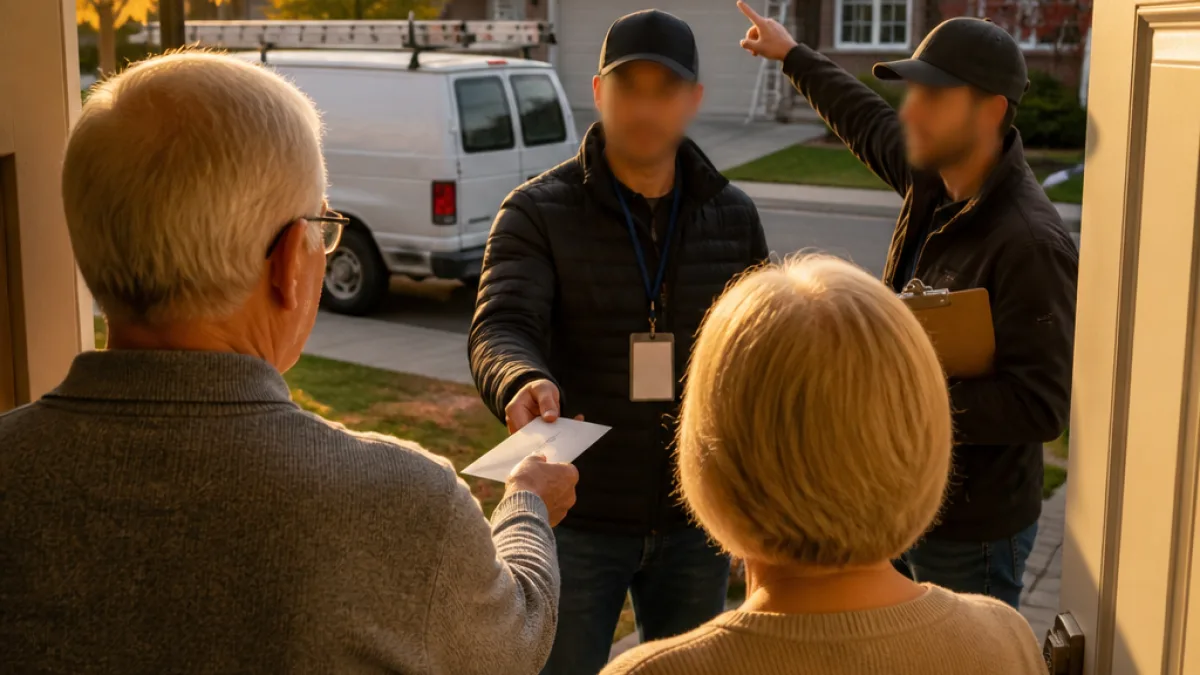
Officers say the con artists then arrange for a courier to pick up the victim’s bank cards and persuade the person to provide their PIN — a combination that hands over full access to accounts. The Hamilton police reminder is direct: a bank will not send a courier to collect bank cards or request a PIN over the phone.
Why seniors are targeted and how the scam gains credibility
Scammers often target older adults because they may be less familiar with rapidly evolving telefraud methods and more likely to trust callers who present as officials. The multi-step approach — utility impersonation followed by banking impersonation and a physical pickup — is designed to create a sense of urgency while reinforcing apparent legitimacy.
Police stress that apparent personal details used by callers do not prove authenticity. Those details may have been obtained through a data breach, mail theft or other means, and scammers will sometimes use accurate information to lower a victim’s guard.
- Step 1: Caller claims to be from a phone or internet provider and offers a discount.
- Step 2: A second caller impersonates the victim’s bank and reports an account compromise.
- Step 3: A courier is arranged to collect bank cards while the caller obtains the PIN.
Practical steps for Hamilton residents
Hamilton police and local consumer-protection advocates recommend simple precautions to reduce risk:
- Never share PINs, passwords or full banking information with anyone who calls unexpectedly.
- If you receive a suspicious call, hang up and call your bank or service provider using a verified phone number — from a statement, the back of the card, or the official website.
- Do not assume a caller is legitimate because they cite personal information; contact the company directly to confirm.
- Refuse to surrender bank cards to couriers and report any attempted card collection to police and your bank immediately.
Residents can also report suspicious calls to Hamilton police. The force has made similar public advisories in the past, including warnings about fake invoices and other impersonation scams affecting both residents and small businesses.
| Element | What scammers do |
|---|---|
| Initial contact | Poses as phone/internet provider offering a discount |
| Secondary contact | Pretends to be bank representative claiming account compromise |
| Physical action | Arranges courier to collect bank cards and obtain PIN |
For Hamilton’s urban and suburban communities, the tactic can be particularly troubling. In denser neighbourhoods and among older adults who live alone, the presence of a courier combined with apparent inside knowledge can create convincing circumstances for handing over cards. In more rural parts of the city, where seniors may already face barriers to in-person bank visits, the pressure to cooperate with a caller offering urgent help can be even stronger.
City residents are being urged to speak with older family members, neighbours and friends about the scam pattern and to review safeguards at home, such as keeping banking documents secure and maintaining an up-to-date list of trusted contacts who can help verify strange calls.
Hamilton police continue to investigate the reports and are reminding the public: if in doubt, end the call and verify using a number you know to be legitimate.